






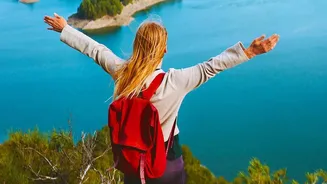
The annual family holiday is no longer the only trip on the calendar. Recent Google search data shows a significant shift in how Indians travel, with more people searching for quick, spontaneous 'micro-cations' to recharge and explore.
The Rise of the Micro-Cation
The long, elaborate
vacation is making way for its shorter, more frequent cousin: the micro-cation. According to Google's 2026 travel trends report, search interest in short getaways has surged, highlighting a fundamental change in travel habits. Queries for '1 day trip near me' have jumped by 130% over the past year, while searches for weekend and long-weekend trips also remain high. This trend, also known as the micro-vacation, involves trips lasting just two to four days. It’s a move away from a single, exhaustive annual holiday towards multiple, refreshing breaks spread throughout the year. This shift reflects a desire for more frequent pauses from routine without the extensive planning and leave required for a traditional two-week holiday.
Why Shorter Trips are Winning
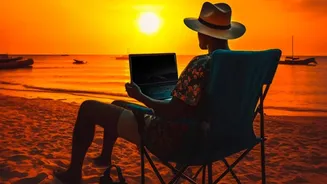
Several factors are driving this preference for brevity. Busy work schedules and scarce annual leave, often used for family obligations like weddings, make it difficult to plan long holidays. In contrast, a three-day break requires minimal planning and coordination. The rise of hybrid and flexible work models also allows professionals to take short trips more easily. Affordability is another key driver; the cost of one international trip can fund several domestic weekend escapes, spreading the enjoyment across the year. Furthermore, better road infrastructure and more affordable flights have made many destinations more accessible for quick visits. This 'modular travel' approach, where short, frequent trips carry more lifestyle value, is becoming the new norm, especially for younger travellers.
Top Destinations for a Quick Getaway
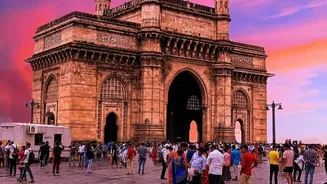
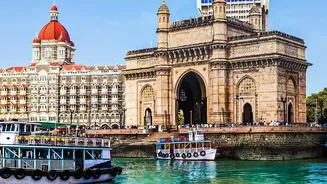
So, where are Indians heading for these short breaks? The search data points to a mix of classic and emerging destinations. For those seeking hill station serenity, places like Rishikesh, Lonavala, Munnar, and Darjeeling are popular choices. Beach lovers are looking towards Goa, Varkala, and Alibaug for a quick coastal fix. Heritage and culture enthusiasts are drawn to cities like Jaipur, Udaipur, Agra, and Mysuru, which pack a rich experience into a short timeframe. According to Airbnb search data, Coorg, with its misty coffee estates, and Kochi, with its rich history, are also among the most searched destinations for these shorter trips. The common thread is accessibility—travellers are choosing places they can reach easily for a two or three-day refresh.
More Than Just a Holiday
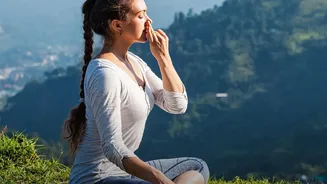
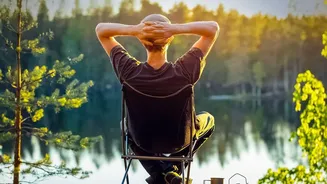
The trend towards short trips is part of a larger shift in travel priorities. Google's data shows that Indian travellers are increasingly building trips around specific experiences rather than just sightseeing. Searches for 'wellness travel India' have skyrocketed by 1,600%, and queries for 'fitness trip' are up 950%. People are looking for silent retreats, yoga getaways, and nature-focused holidays that allow them to truly disconnect. There is also a growing interest in exploring 'hidden gems', with searches for lesser-known spots up by 400%. This indicates a move towards more purposeful and personal travel, where even a short trip is an opportunity to pursue a passion, whether it's hiking, attending a music festival, or simply finding a quiet corner to reset.
The Spontaneous Traveller
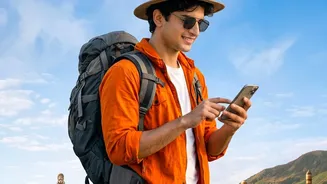
Technology and a changing mindset are making these short trips more spontaneous than ever before. Many of these getaways are no longer planned weeks in advance. Instead, they are booked on short notice, sometimes just a day before departure, driven by impulse. This is made possible by the ease of online bookings for flights, hotels, and homestays. Accommodation searches are also becoming highly specific, with travellers looking for pet-friendly hotels or affordable homestays that fit their exact needs. This growing appetite for impromptu travel shows that for many, travel has evolved from a rare, major event into a regular, accessible habit.