



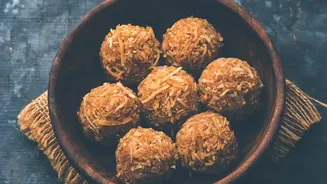

The Soulful Trio of Indian Sweets
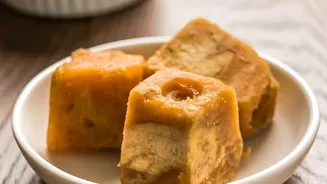
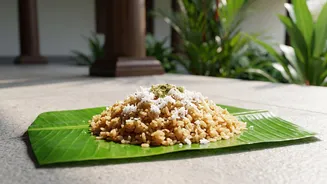
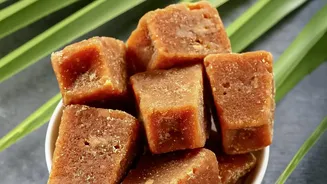
The combination of rice flour, fresh coconut, and earthy jaggery is a classic for a reason. It forms the foundation of countless traditional sweets across India, from festive specialities to simple evening snacks. The mild, slightly sweet flavour of rice flour provides
the perfect neutral canvas, allowing the other ingredients to shine. Freshly grated coconut adds moisture and a rich, aromatic quality, while jaggery contributes a deep, caramel-like sweetness that is less cloying than refined sugar. Together, they create a balanced and deeply satisfying flavour profile that has been cherished for generations.
Understanding the Magic of Rice Flour
What makes rice flour so adaptable? The secret lies in its composition. Unlike wheat flour, rice flour is naturally gluten-free. This means that when mixed with water, it doesn't form the elastic, stretchy network that gluten does. Instead, it creates a structure that can be either soft and tender or light and crisp, depending entirely on how you cook it. For many Indian sweets, this is the desired quality. Using hot water to make a dough gelatinises the starches in the flour, making it pliable and easy to work with for dumplings and other shaped sweets.
The Gentle Art of Steaming
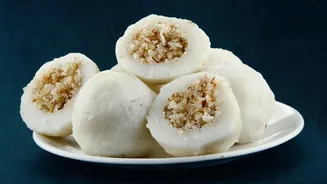
When steamed, rice flour dough undergoes a gentle transformation. This slow, moist-heat cooking method results in a soft, tender, and often chewy texture that melts in the mouth. A prime example is the beloved Ukadiche Modak, a pleated dumpling made especially during Ganesh Chaturthi. The outer shell is made from a soft, steamed rice flour dough, encasing a sweet filling of coconut and jaggery. Similarly, Kozhukattai from South India features a similar rice flour casing filled with coconut and jaggery, and is also steamed to perfection. Steaming ensures the delicate dumpling doesn't fall apart and the filling remains moist and flavourful.
The Golden Touch of the Griddle
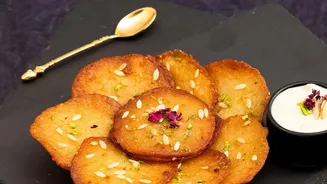
Introduce that same rice flour base to a hot, greased griddle, and you get an entirely different but equally delightful result. The direct, dry heat creates a beautiful contrast in textures. This is best seen in Bengali Patishapta Pitha, a delicate crêpe made from a thin batter of rice flour, sometimes mixed with a little plain flour and semolina. These crêpes are griddled until lightly golden, then filled with a coconut-jaggery mixture and rolled up. The result is a sweet with a soft, slightly chewy interior and a wonderfully light, slightly crisp exterior. The process shows how pan-frying or griddling a rice flour batter can yield a crispy, golden-brown finish that is impossible to achieve with steaming.
Tips for Perfect Results Every Time
Working with rice flour can be tricky for beginners, but a few tips can ensure success. For steamed dumplings like modak, kneading the dough while it is still warm is crucial for a smooth, crack-free finish. Using fine, freshly milled rice flour will also yield a better texture. When making a batter for crêpes like patishapta, letting the batter rest for at least 15-30 minutes allows the flour to hydrate fully, resulting in a smoother, more consistent crêpe. Don't be afraid to grease your hands with a little ghee when shaping steamed dumplings, as this prevents the dough from sticking and makes it easier to handle.