


You Eat With Your Eyes First
The old saying 'you eat with your eyes first' is more than just a culinary cliché; it's a profound truth rooted in our neurology. From the moment we see food, our brain begins to form expectations about how it will taste, feel, and satisfy us. This initial
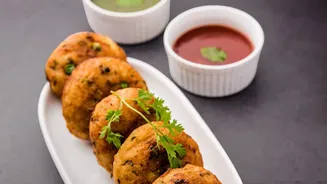
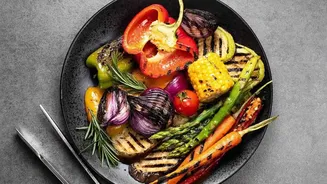
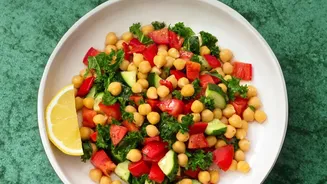
visual assessment can be so powerful that it sets the stage for our entire dining experience, sometimes even overriding what our other senses tell us. Think about it: a vibrant salad with a rainbow of fresh vegetables looks healthier and more appealing than a monotone one. A perfectly arranged slice of cake on a clean, white plate signals elegance and care, while the same slice messily dropped on a plate can look unappetizing. In both cases, the ingredients are identical, but the perception is worlds apart. This phenomenon is a cornerstone of the culinary arts, where chefs are taught that plating is a crucial skill.
The Science of Sight and Flavour
The connection between sight and taste is not imaginary. It's a complex interplay of psychology and neuroscience. When we see food, our brains process visual cues like colour, shape, and arrangement almost instantly. These cues trigger learned associations and expectations based on our past experiences. For example, the colour red is often associated with sweetness, while green suggests freshness. This is what researchers call 'visual priming'. Your brain anticipates a positive sensory experience from an attractive dish, which can measurably enhance how you perceive its flavour. Studies have even shown that simply changing the colour of a drink can alter how sweet or sour people think it is, even when the recipe is unchanged. Scientists have also identified neural circuits that directly link the visual perception of food to the feeding centre in the brain, suggesting this response is deeply rooted in our evolution.
The Chef's Secret Weapon
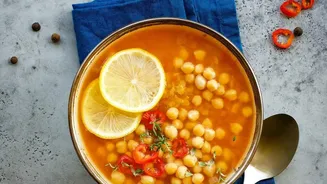
Professional chefs understand this science intuitively and use it as an essential tool. For them, the plate is a canvas, and they use elements like colour, texture, and height to create a work of art that elevates the dining experience. A well-plated dish isn't just about looking pretty; it's about guiding the diner's experience. Chefs often start by sketching their dishes to visualise the final product, ensuring the main ingredient is the star. They consider how to create balance, using negative space to prevent the plate from looking cluttered and combining textures like creamy purées with crunchy elements to make each bite interesting. This artistry isn't just for fine dining. Even the way a sandwich is cut or a bowl of soup is garnished can influence our enjoyment. It signals care and intentionality, which makes the food feel more special and, as a result, taste better.
Colour on the Plate
Of all the visual cues, colour is arguably the most powerful. Our brains are hardwired to associate specific colours with certain flavours. Red often signals ripeness and sweetness, making strawberries and cherries appealing. Green communicates freshness, which is why salads and herbs are so visually appetising. Earthy tones like brown and orange can suggest roasted, rich, or comforting flavours. Even the colour of the plate itself can make a difference. Some studies suggest desserts served on white plates are perceived as sweeter, while high-contrast backgrounds can make food appear more vivid and flavourful. Chefs consciously avoid certain colours, like blue, which is rare in natural foods and can be perceived as unappetizing. This colour-flavour connection is learned from a very young age and is constantly reinforced by our environment.
Beyond the First Glance
While a meal's appearance is a powerful initial filter, it can't completely fool us. Presentation sets expectations, but the ingredients and execution must deliver on that promise. A beautiful-looking dish that tastes bland or has poor texture will ultimately be a disappointment. The visual appeal creates a 'halo effect' that gives the food an advantage, but the flavour, aroma, and mouthfeel are what create a truly memorable experience. Think of it as a partnership: the appearance opens the door, but the quality of the ingredients and the skill of the cook are what invite you to stay. The best meals are those where the visual promise is matched by an equally delightful sensory reality, creating a harmonious and satisfying experience from start to finish. In the end, a great meal engages all the senses, starting with the eyes but certainly not ending there.