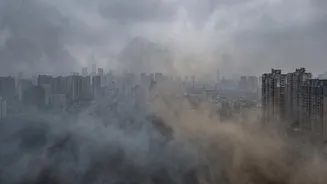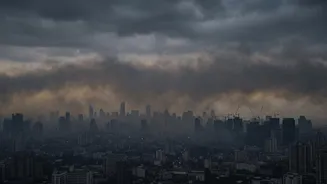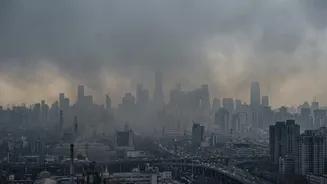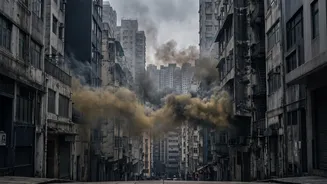







The Invisible Enemy: What is PM2.5?
The primary villain in this story is 'PM2.5', which stands for particulate matter smaller than 2.5 microns. To put that in perspective, a single particle is about 30 times smaller than the width of a human hair. Because of their microscopic size, these
particles—composed of soot, dust, and chemical droplets from vehicle exhaust, industrial emissions, construction, and crop burning—easily bypass the body's natural defences. Instead of being trapped in the nose or throat, they travel deep into the lungs, where they can settle and even enter the bloodstream, causing significant harm. The International Agency for Research on Cancer (IARC) has classified outdoor air pollution and PM2.5 as Group 1 carcinogens, meaning they are proven to cause cancer in humans.
Beyond a Smoker's Disease
The link between air pollution and lung cancer is no longer theoretical; it's a medical fact being witnessed in clinics across the capital. Studies show that prolonged exposure to PM2.5 triggers chronic inflammation, oxidative stress, and DNA mutations that can lead to cancer. In fact, some research suggests the cellular damage mimics that caused by tobacco. Doctors in Delhi report a dramatic shift in patient profiles. Where once 90% of lung cancer patients were smokers, now up to 50-70% are non-smokers. This trend is particularly pronounced among women and younger people, challenging all conventional ideas of risk. A specific type of lung cancer called adenocarcinoma, historically more common in non-smokers, is now frequently diagnosed in Delhi's pollution-exposed patients.
Delhi's Unbreathable Reality
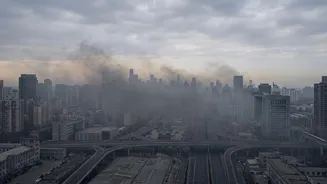
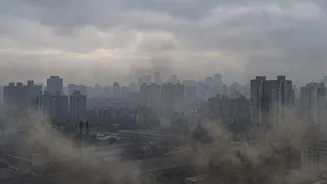
Delhi consistently ranks among the most polluted cities in the world. Its air quality often exceeds the World Health Organization's (WHO) recommended safety limits by 15 or 20 times, particularly during the winter months from November to January. During these periods, meteorological conditions like temperature inversions trap pollutants close to the ground, creating prolonged smog events that can last for days. The sources are a complex mix of local and regional factors, including heavy traffic, industrial activity, construction dust, and smoke from seasonal stubble burning in neighbouring states. One disturbing analysis even estimated that living and breathing in Delhi is equivalent to smoking around 10 cigarettes a day, a fact that helps explain the startling rise in lung disease among lifelong non-smokers.
A Body Under Constant Attack
While cancer is the most alarming outcome, the health impact of Delhi's toxic air is far broader. Long-term exposure is definitively linked to a host of chronic respiratory illnesses, such as asthma and COPD, as well as cardiovascular diseases. Studies show that on high-pollution days, residents report significantly more health issues, including respiratory difficulties, headaches, itchy eyes, and skin irritation. The constant inflammatory response triggered by pollutants wears down the body's defences, making individuals more susceptible to infections. For the city's 30 million residents, particularly children and the elderly, simply breathing has become a chronic health risk, undermining well-being and shortening lives.
Practical Steps for Protection
While large-scale policy change is the only long-term solution, individuals can take steps to mitigate their personal risk. The most effective defence is to reduce exposure. This means monitoring the Air Quality Index (AQI) daily and limiting strenuous outdoor activities when levels are 'Poor' or 'Severe'. When going out is unavoidable, wearing a well-fitted N95 or equivalent respirator mask can significantly reduce the inhalation of PM2.5 particles. Indoors, air purifiers with HEPA filters can help clean the air in the rooms where you spend the most time, like the bedroom. Keeping windows closed on high-pollution days and ventilating strategically when the air is cleaner can also help manage indoor air quality.