

The Foundation: Classic Rava Upma
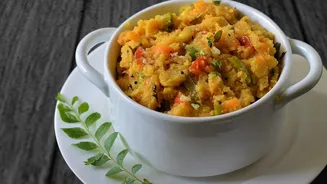
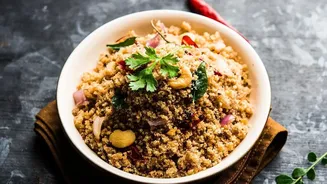
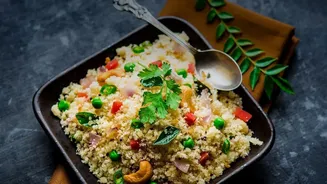
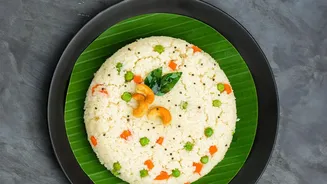
This is the version most of India recognises as the default. Made from dry-roasted semolina (rava or sooji), it’s a simple, comforting porridge. The preparation is straightforward: a tempering of hot oil with mustard seeds, urad dal, and curry leaves,
followed by sautéed onions and green chillies. The roasted rava is then cooked in hot, salted water until it becomes soft and fluffy. It's the benchmark against which all other interpretations are measured, a testament to the idea that simple ingredients, when treated with care, can create something truly satisfying.
The Karnataka Special: Khara Bath
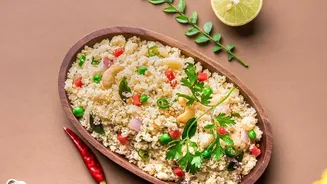
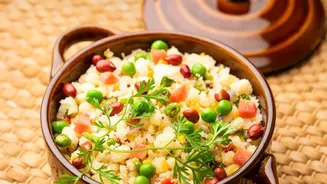
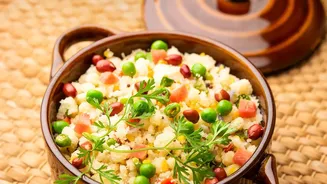
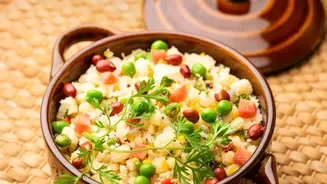
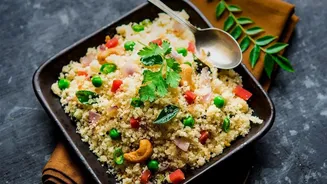
Travel to Karnataka, and you will find that 'upma' is often called Khara Bath. This isn't just a name change; it's a flavour upgrade. Khara Bath is decidedly spicier and more aromatic, often featuring a special masala powder, which might include notes of cinnamon and clove. It’s also loaded with vegetables like carrots, beans, and capsicum, making it a more substantial meal. In Bengaluru, it is famously served alongside a sweet semolina dish called Kesari Bath, a combination known as 'Chow Chow Bath' that perfectly balances spicy and sweet on one plate.
The Tamil Twist: Semiya Upma
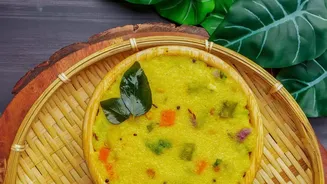
In Tamil Nadu and across the South, one of the most popular variations swaps out semolina for vermicelli, known as semiya. This creates a dish with a completely different texture — lighter, less dense, and with distinct noodle-like strands. The base flavour profile remains similar, with a classic tempering of mustard seeds and lentils, but the final result is a different experience altogether. Often brightened with a final squeeze of lemon juice, Semiya Upma is a favourite for a quick weeknight dinner or a child-friendly breakfast.
The Maharashtrian Staple: Kanda Pohe and Upit
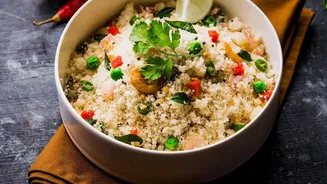
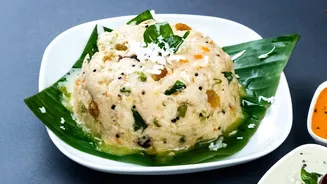
In Maharashtra, the conversation around this style of breakfast often involves poha (flattened rice). Kanda Batata Poha, made with onions (kanda) and potatoes (batata), is a beloved dish that follows a similar philosophy of tempering and sautéing. The state also has its own version of rava upma, often called Upit or Sanza, which strikes a fine balance between salty, sweet, and sour, garnished with fresh coconut. The goal is to achieve a 'suth-suthith' or fluffy texture, where each grain is perfectly plump and separate.
The Modern Makeovers: Bread and Millet Upma
The spirit of upma is so adaptable that it has moved beyond traditional grains. Bread Upma is a genius way to use up stale bread, transforming it into a savoury, spiced dish that resembles the texture of poha. Cubes of bread are tossed in a tempering of onions, tomatoes, and spices, creating a quick and flavourful snack. In a nod to both health and history, millet upma is also making a comeback. Before semolina became widespread, millets were a staple grain in South India, making this 'new' trend a return to ancient roots.