


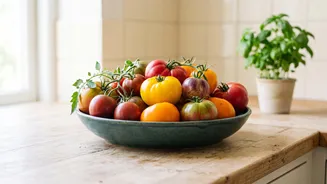
Tomatoes
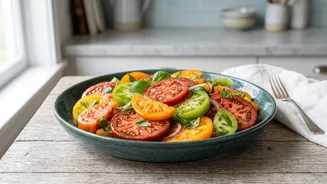
The number one rule for flavourful tomatoes is to keep them out of the fridge. Cold temperatures are a death sentence for their taste and texture. Science shows that chilling a tomato below certain temperatures permanently damages the enzymes that create
its signature aroma and flavour compounds. The cold also breaks down the fruit's cell walls, turning a once-firm and juicy tomato into a bland and mealy disappointment. The effect is irreversible; even bringing a chilled tomato back to room temperature won't recover the lost flavour. For the best taste, store whole tomatoes on the counter away from direct sunlight. The only exception is for a perfectly ripe tomato that you need to preserve for an extra day or two.
Potatoes
Keeping potatoes in the fridge is a common mistake that ruins both their taste and texture. Cold temperatures trigger a process called 'cold-induced sweetening', where the potato's starches convert into sugars. This results in a noticeably sweet and sometimes gritty taste when cooked. This sugar buildup also causes potatoes to brown too quickly and unevenly when fried, roasted, or air-fried. For optimal flavour and texture, potatoes should be stored in a cool, dark, and dry place with good air circulation, like a pantry or cellar, ideally in a paper or mesh bag.
Onions and Garlic
Whole onions and garlic thrive in a cool, dry, and well-ventilated environment—the exact opposite of a humid refrigerator. Storing them in the fridge makes them prone to becoming soft, sprouting, and developing mould due to the moisture. For maximum shelf life, keep them in a mesh bag or basket in a dark pantry, which allows air to circulate. It's also wise to store them away from potatoes, as both release gases and moisture that can cause the other to spoil faster. Once cut, however, chopped or sliced onions and garlic should be stored in an airtight container in the fridge.
Bread
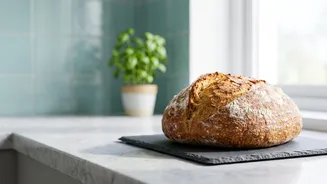
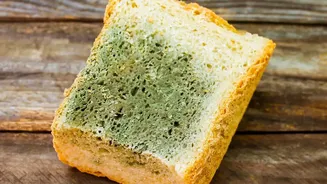
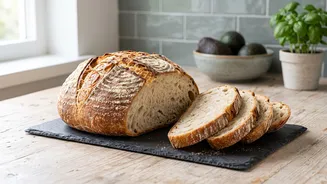
Contrary to popular belief, the refrigerator actually makes bread go stale faster. The cool, dry air of the fridge accelerates a process where the starch molecules in the bread recrystallize, drawing out moisture and leaving the loaf dry, tough, and leathery. While refrigeration can slow the growth of mould, it does so at the cost of texture and flavour. The best way to keep bread fresh for a few days is to store it at room temperature in a breadbox or a paper bag. For long-term storage, the freezer is your best option, as it halts the staling process effectively.
Honey
Honey is a naturally preserved food with an almost indefinite shelf life, thanks to its low moisture content and high acidity. It absolutely does not require refrigeration. In fact, putting honey in the fridge is the worst way to store it because the cool temperatures will cause it to crystallize and solidify much faster, turning it into a thick, grainy sludge that's difficult to use. Crystallization is a natural process and doesn't mean the honey has gone bad, but refrigeration speeds it up unnecessarily. Always store honey in a tightly sealed container at room temperature in your pantry.
Fresh Basil
Unlike many other herbs, fresh basil is extremely sensitive to cold. Storing it in the refrigerator will cause its leaves to wilt and turn black, often within a day or two, as the cold temperatures damage its cells. It also tends to absorb the smells of other foods in the fridge. To keep basil fresh for up to two weeks, treat it like a bouquet of flowers. Trim the stems and place the bunch in a jar with an inch of water, leaving it on the kitchen counter out of direct sunlight.
Coffee
The fridge is a hostile environment for coffee beans and grounds. Coffee's primary enemies are air, moisture, heat, and light. A refrigerator is not only cold but also humid, and coffee is highly absorbent, meaning it can take on unwanted odours and moisture from its surroundings. This leads to a breakdown of the oils that give coffee its rich aroma and flavour. The best way to preserve your coffee's freshness is to store it in an opaque, airtight container in a cool, dark place like a cupboard or pantry.