




The era of visiting the same crowded tourist traps may be ending. A new report from digital travel platform Agoda signals a significant change in holiday habits, with a growing number of travellers seeking experiences off the beaten path.
The 55% Finding Explained
According to
Agoda's '2027 Asia Travel Pulse' report, a remarkable 55% of Indian travellers are likely to visit a lesser-known destination in the coming year. This figure is not just a minor fluctuation; it positions Indians as the most adventurous travellers in the region, far exceeding the Asian average of 36%. The finding is based on a survey of over 3,300 travellers across 11 Asian markets and points towards a more intentional and curious approach to travel. Instead of defaulting to hotspots like Goa or Manali, a majority are now actively looking for unique places that promise new experiences, fewer crowds, and a deeper sense of discovery.
Why We Are Skipping The Crowds
This shift away from the mainstream is driven by several factors. The post-pandemic world has left many with a desire for more space and less congestion. Furthermore, social media is no longer just a showcase for famous landmarks; it has become a discovery tool for hidden gems, inspiring people to find their own unique photo opportunities. There is a growing fatigue with 'checklist tourism', where the goal is to tick off famous sites. Instead, travellers are seeking authentic connections, whether through local food, culture, or nature. Gaurav Malik, Agoda's Country Director, noted that Indian travellers are becoming more 'intentional', seeking unique experiences through offbeat destinations. This quest for meaning is also reflected in the data, with 14% of Indians citing spiritual journeys as a key travel motivation, a rate 3.5 times higher than the Asian average.
India's New Emerging Hotspots
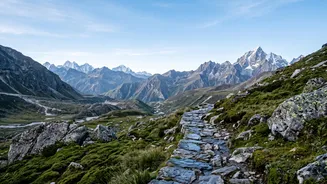
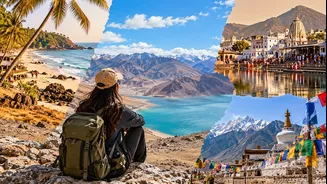
This trend is creating a new map of travel within India. While classic destinations remain popular, search data shows explosive growth in interest for places that offer something different. Agoda's report highlights significant increases in accommodation searches for spiritual hubs like Pushkar and the Himalayan town of Dharamshala, which saw search volumes jump by 195% and 154% respectively. Other places gaining traction include Leh, with its stunning high-altitude landscapes, and quieter hill stations like Lansdowne and Coonoor, which offer a peaceful alternative to their bustling counterparts. This trend extends across the country, from the coffee plantations of Coorg and Chikmagalur in the south to the remote valleys of Tawang and Spiti in the Himalayas, as travellers look for adventure, serenity, and authenticity.
What This Means for Future Travel
The preference for offbeat travel is accompanied by a desire for more immersive trips. The Agoda report also found that Indian travellers are planning longer holidays. About 26% intend to take trips lasting between 8 and 12 days, compared to just 15% across Asia. This suggests a move away from quick, superficial visits towards spending more time in a single location to properly explore and connect with it. For the travel industry, this means a greater need to highlight unique local experiences and provide diverse accommodation options beyond major city centres. As travellers become more adventurous, the definition of a 'holiday' is expanding to include everything from adventure sports and spiritual retreats to simply unwinding in a place untouched by mass tourism.