





The Richness Problem
Cream-based sauces, like a classic Alfredo or a decadent carbonara, get their luxurious texture and flavour from fat. Whether it's from heavy cream, butter, cheese, or egg yolks, this fat coats the tongue, which is what gives the sauce its signature satisfying
mouthfeel. But as we eat, this coating can build up, leading our taste buds to feel fatigued. The dish that started as rich and wonderful suddenly feels cloying and heavy, and each subsequent bite is less enjoyable than the last. This sensory overload is what makes an otherwise delicious meal feel like a lead weight.
The Science of a Squeeze
This is where a humble lemon works its magic. Lemon juice is an acid, and in the culinary world, acid is the natural counterpoint to fat. On a sensory level, the sour taste of acid provides a sharp, clean contrast that effectively 'cuts through' the richness of the cream. It stimulates a different set of taste receptors, refreshing your palate and breaking up the monotonous coating of fat, which makes the next bite taste as vibrant as the first. It's less of a chemical reaction on the plate and more of a perceptual one in your mouth, waking up your senses and making the entire dish feel lighter and more balanced.
More Than Just a Feeling
The benefits aren't purely psychological. The citric acid in lemon juice can also have a subtle physical effect on the sauce itself. When added correctly to a warm cream sauce, the acid causes milk proteins, known as casein, to change their structure in a process called denaturation. These proteins begin to clump together on a microscopic level. While that might sound like curdling, when done gently, it actually helps to thicken the sauce slightly, giving it a velvety viscosity without adding more heavy ingredients. You're creating a more stable, luscious emulsion that feels lighter. Plus, the bright, volatile aromas from fresh lemon juice add a layer of freshness that tricks the brain into perceiving the dish as less dense.
How to Do It Right
Timing and technique are crucial to avoid disaster—namely, a curdled, grainy sauce. The enemy here is shocking the dairy with too much acid and heat at once. Always use full-fat heavy cream, as its higher fat content makes it much more stable and less prone to curdling than milk or half-and-half. The best time to add the lemon juice is at the very end of cooking, after the pan has been removed from the direct heat. Add just a small squeeze at a time, whisking continuously until it's fully incorporated. For extra insurance, you can temper the juice by adding a spoonful of the hot cream sauce into the lemon juice first, before adding that mixture back into the main pot. This gently raises the temperature of the juice and helps it blend in seamlessly.
Freshness Is Key
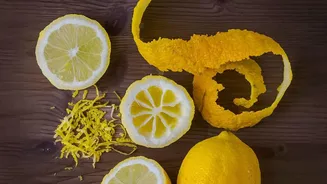
For the best results, always use fresh lemon juice, never the bottled kind. Bottled juices lack the bright, complex aromas of fresh lemons and can sometimes have a metallic or 'cooked' taste that won't do your sauce any favours. The zest is also your friend. Adding finely grated lemon zest along with the juice provides a powerful punch of lemon flavour from its essential oils without adding as much acidity. This allows you to get that bright, citrusy note while minimising the risk of curdling, giving you the best of both worlds.