






The Murky Meaning of 'Food-Grade'
Until now, 'food-grade' has been used more as a marketing descriptor than a strict regulatory standard in India. While the FSSAI's 2018 regulations did state that materials in contact with food must be 'food grade,' the definition was broad. It generally
meant the material was considered safe for its intended use and wouldn't release harmful chemicals or alter the food's taste or smell. However, this left a grey area. Without a specific, enforceable definition and mandatory testing protocol tied to the term itself, its use on labels for containers, plastics, and utensils was inconsistent, leaving consumers to rely on the manufacturer's word.
FSSAI's New Blueprint for Safety
The FSSAI has issued a draft amendment to the Food Safety and Standards (Packaging) Regulations to clear up this ambiguity. Published in early 2026, the draft introduces, for the first time, a specific legal definition for 'food grade contact material'. This new definition clarifies that these materials must not only be safe for human health but must also meet prescribed safety standards through verified testing. This shift moves 'food-grade' from a general statement of quality to a measurable, compliance-driven benchmark. The goal is to create consistent interpretation and help both businesses and regulators ensure packaging is genuinely safe.
Why This Change is Crucial
The primary concern is the potential for harmful chemicals to migrate, or 'leach,' from packaging into food. Materials that aren't properly tested can release substances like heavy metals, BPA, or other contaminants, especially when exposed to heat or acidic foods. These substances can pose long-term health risks. By creating a clear legal standard, FSSAI aims to close this safety gap. The move also aligns India with global best practices, where materials intended for food contact undergo rigorous testing. This ensures that the packaging doesn't just contain the food, but actively protects it without becoming a source of contamination itself.
The Impact on Manufacturers
For the industry, this change means a higher bar for compliance. Manufacturers of packaging materials will need to ensure their products meet the newly defined standards, which will likely involve more stringent testing and certification processes. Businesses that use these materials for packaging their food products will have to verify that their suppliers are compliant. While this adds a layer of responsibility, it also standardizes the requirements, helping businesses choose suitable and legally compliant materials with greater confidence. The regulations also extend to defining modern technologies like aseptic and modified atmosphere packaging, reflecting advancements in the industry.
What It Means for Your Kitchen
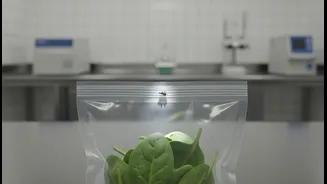
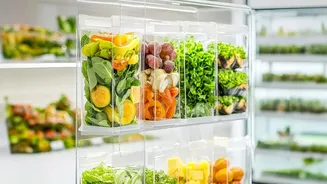
For the average consumer, this regulatory shift offers a greater degree of trust and transparency. When you see 'food-grade' on a product in the future, it will mean the material has passed specific, legally-mandated safety tests. This is a significant step up from the current system, where the term lacks a strong enforcement backbone. It empowers consumers to make more informed choices, knowing that the containers they use to store leftovers, the plastic wrapping on their vegetables, and the cups they drink from are held to a higher, more consistent safety standard. It signifies a stronger commitment to public health, moving beyond simple claims to verifiable proof of safety.