








A Beacon in a Gloomy World
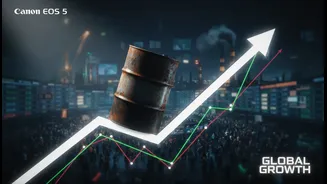
While major economies brace for a slowdown, India continues to be the world's fastest-growing large economy. The International Monetary Fund (IMF) and the World Bank have both projected robust growth for India in the current fiscal year. In its July 2026
update, the IMF projected growth of 6.4%, while the World Bank's June forecast stood at 6.6%. The Reserve Bank of India (RBI) is similarly optimistic, projecting a 6.6% expansion. These figures stand in stark contrast to the global outlook, where growth is expected to slow to between 2.5% and 3% due to geopolitical conflicts and persistent inflation.
The Domestic Engine Powers Through
The foundation of India's impressive growth is its powerful domestic engine. Strong private consumption and a resilient services sector are key drivers, according to the IMF. This means that Indian households are spending, and service-based industries are thriving, creating a self-sustaining cycle of economic activity. This internal strength provides a crucial buffer against external headwinds. The government's continued focus on capital expenditure, particularly in infrastructure, further fuels this momentum, creating assets and jobs that support long-term growth.
The Achilles' Heel: Oil Imports
The biggest risk to India's economic story is its profound dependence on imported oil. The country imports between 85% to 90% of its crude oil requirements, making it highly vulnerable to global price shocks. When oil prices rise, the impact is felt across the entire economy. With Brent crude prices recently hovering near $85 per barrel and some forecasts predicting they could stay elevated or even rise towards $95-$100 due to geopolitical tensions, this vulnerability is once again in sharp focus.
How High Oil Prices Hurt
The consequences of expensive oil are threefold. First, it fuels inflation. Higher crude prices increase costs for transportation and manufacturing, which eventually get passed on to consumers, impacting everything from food prices to travel costs. Second, it strains the nation's finances. A higher import bill widens the Current Account Deficit (CAD), which is the gap between the value of imports and exports. A wider CAD puts pressure on the Indian Rupee, making all imports more expensive. Projections suggest a sustained high oil price could push the CAD to over 2% of GDP. Third, it puts pressure on the government's budget, as it may be forced to increase subsidies on fuel to protect consumers, diverting funds from other essential spending.
Navigating the Turbulence
Policymakers at the RBI and in the government are not sitting idle. The primary tool to combat imported inflation is monetary policy. If inflation risks become too high, the RBI might be forced to maintain higher interest rates for longer, which could slow down economic activity. On the fiscal side, the government can use measures like reducing fuel taxes to cushion the impact on consumers, but this comes at the cost of lower revenue. The challenge is to strike a delicate balance: controlling inflation and maintaining financial stability without stifling the growth that makes India a global standout.