


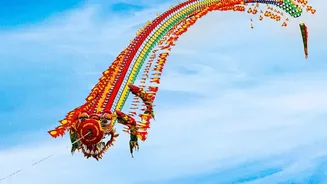


A Digital Detox in the Sky
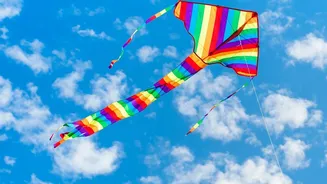
Our daily lives are often dominated by screens, which offer a passive form of entertainment. Kite flying provides a compelling antidote. It demands active participation; you are not just watching, you are doing. The physical act of launching a kite, feeling
the pull of the string, and responding to the wind's invisible currents engages your body and mind in a way a digital interface cannot. It's a hands-on experience that encourages you to look up and away from the phone, fostering a direct connection with the environment. This simple shift in focus can help reduce stress and eye strain associated with constant screen use, offering a refreshing break for both adults and children.
More Than Just a String
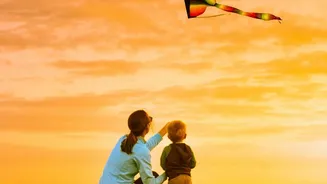
Kite flying is an inherently social activity. While it can be a peaceful solo pursuit, it truly shines when shared. It fosters teamwork and communication, whether it's a parent teaching a child how to launch the kite or friends working together to keep it soaring. In parks and on beaches, it becomes a community event, with colourful kites creating a shared spectacle. This shared experience builds bonds and creates lasting memories. It’s an activity open to all ages and abilities, making it a perfect choice for family outings where grandparents, parents, and children can all participate together.
A Lesson in Mindfulness
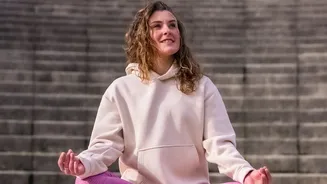
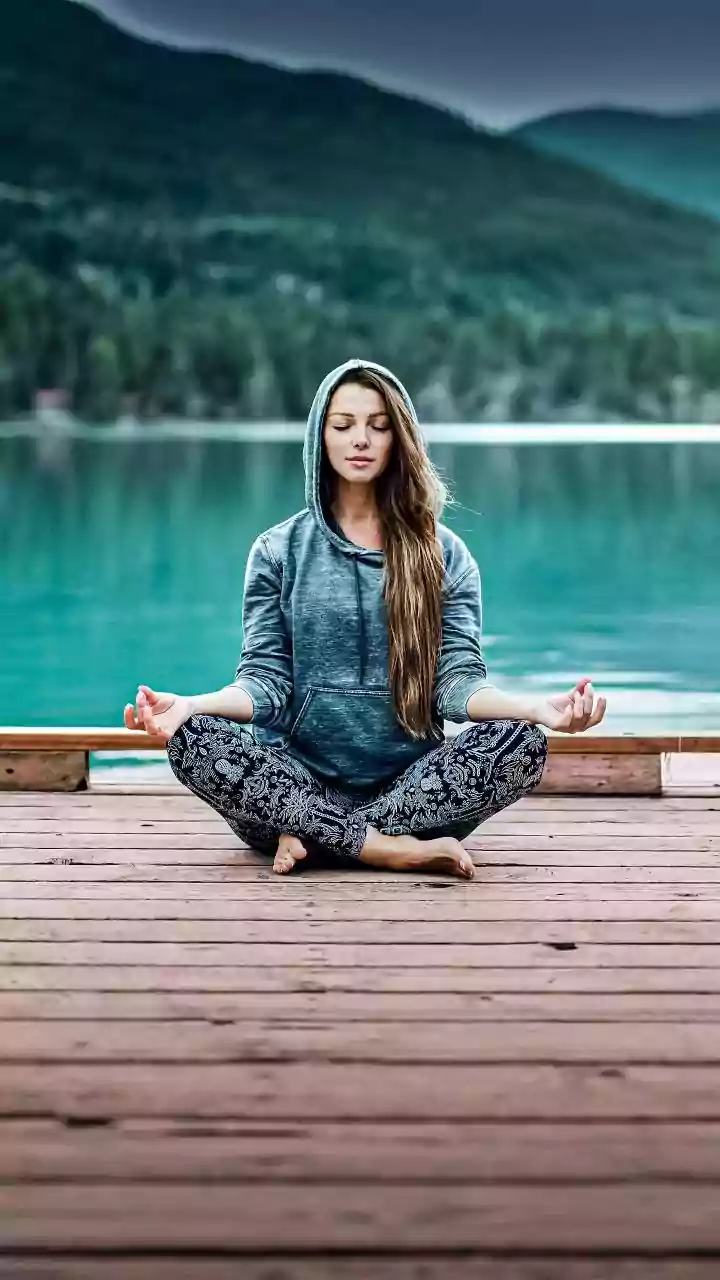
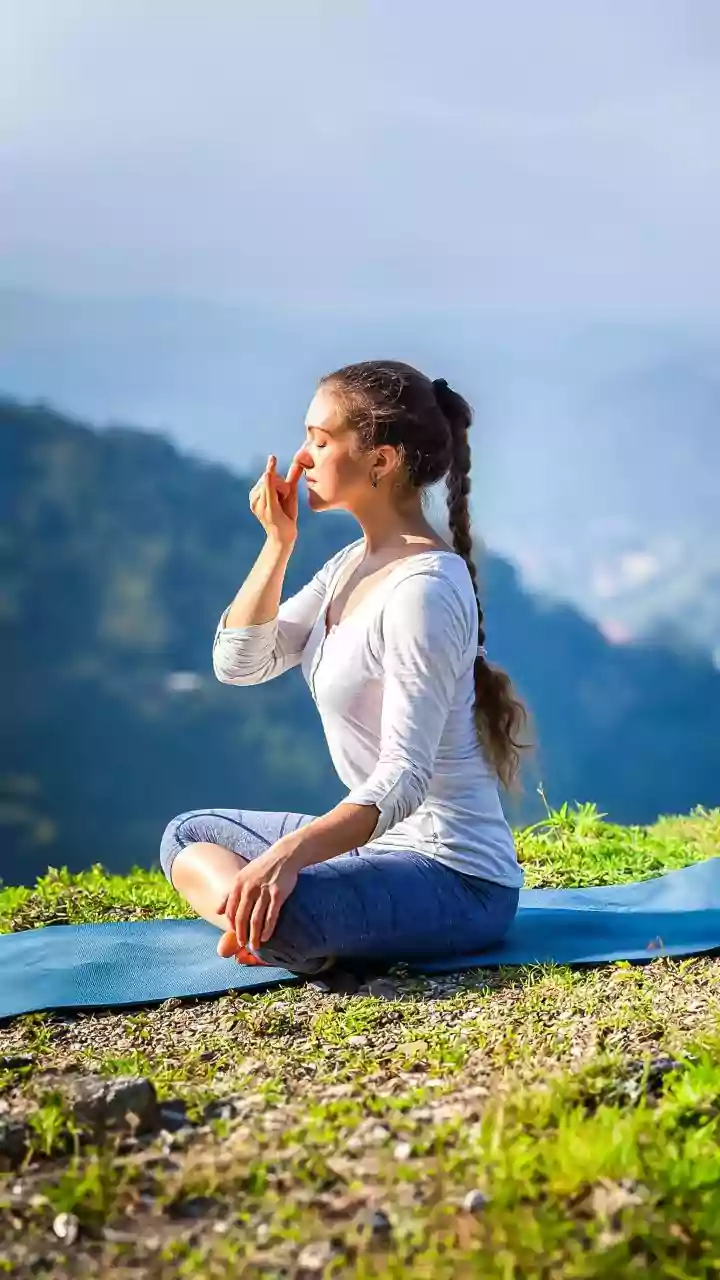
To fly a kite successfully, you must be present. You have to pay attention to the feel of the wind, the tension in the line, and the movement of the kite across the sky. This focused attention is a form of mindfulness, a practice with proven benefits for reducing stress and improving mental clarity. Watching a kite drift against the clouds pulls you into the current moment, allowing worries about the past and future to fade away. It teaches patience and focus, as you learn to adapt to the shifting winds. This meditative quality is one of kite flying's most powerful, and often overlooked, benefits.
Connecting with Culture
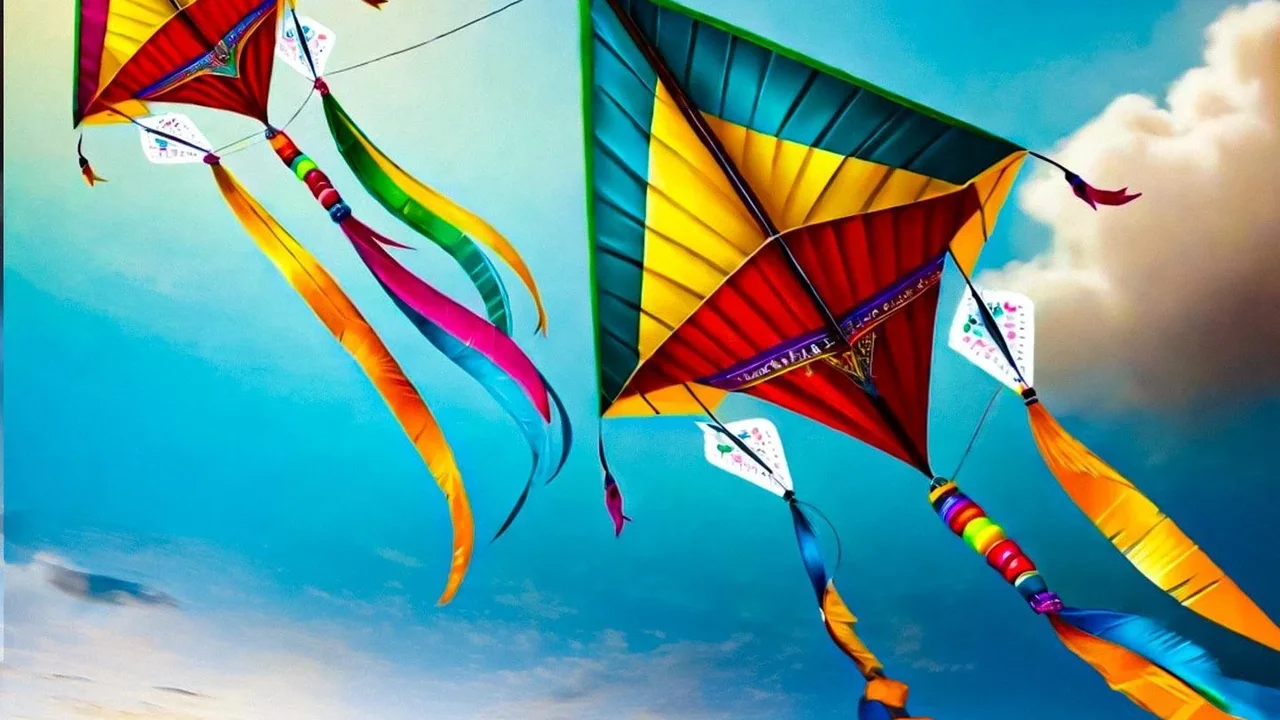
In India, kite flying is woven into the cultural fabric, representing freedom, celebration, and community. It’s a central part of festivals like Makar Sankranti and Basant Panchami, where skies fill with colourful kites and friendly competitions. Engaging in kite flying can be a way to connect with this rich heritage. Even outside of festival time, the act of flying a kite taps into a tradition that has been passed down through generations. It’s a reminder of a simpler, more connected way of life and a celebration of the simple joy of being outdoors.
Your First Flight
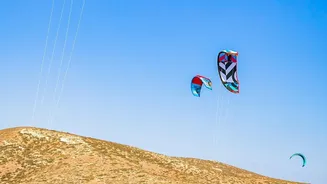
Getting started is simple. You don’t need expensive gear or extensive training. Begin with a basic single-line kite, which is easiest for beginners. Find a wide, open space like a park or beach, well away from trees, buildings, and especially power lines. The ideal wind is not a gale, but a steady breeze—just enough to rustle leaves. To launch, stand with your back to the wind and have a friend hold the kite about 50 feet away. As your friend releases it, pull the line taut and let the wind do the work. It’s a process of gentle pulls and releases, a dance with the elements that is both calming and exhilarating.