




Breakage vs. Loss: What’s the Difference?
First, let's establish the two distinct types of 'hair fall'. Hair breakage is when the hair shaft itself snaps somewhere along its length. Think of a tree branch breaking in a storm. The root is still there, but the strand is damaged and shorter. This
is a hair health issue. Hair loss, on the other hand, happens at the scalp level when the entire strand, including the root, sheds from its follicle. This is a scalp and follicle health issue. You can often tell the difference by looking at the hairs you find: if it’s a full-length strand with a tiny white bulb at the end, it fell from the follicle. If you're finding short, brittle pieces, that's likely breakage.
Tackling Breakage: The Power of Coating Oils
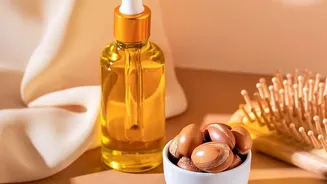
Breakage is primarily a problem of damage. Over-processing with chemicals, excessive heat styling, and even rough brushing can weaken the hair's structure, making it brittle and prone to snapping. This is where most hair oils truly shine. Oils rich in fatty acids, like coconut or argan oil, serve two main functions. Some, like coconut oil, have small enough molecules to penetrate the hair shaft, reducing protein loss from within and making the hair more flexible. Others work by coating the hair's outer layer, or cuticle. This protective layer reduces friction between strands, seals in moisture, and adds a healthy-looking sheen, making hair more resilient to daily wear and tear. In this case, the oil is a conditioning and protective treatment for the hair you already have.
Follicle Loss: A Deeper Scalp Issue
True hair loss from the follicle points to an internal cause. This can range from genetics and hormonal changes to nutritional deficiencies or high stress levels. Here, simply coating the hair strands with oil won't solve the problem, because the problem isn't with the strands themselves. It's crucial to understand that no hair oil can cure medically-driven hair loss. However, some oils can help create a healthier scalp environment, which is the foundation for healthy growth. Massaging oil into the scalp can help stimulate blood circulation, delivering more oxygen and nutrients to the follicles. Oils with antimicrobial or anti-inflammatory properties might also help soothe irritation that can contribute to shedding. Think of this as tending to the soil, not just polishing the leaves.
The Rosemary Oil Exception
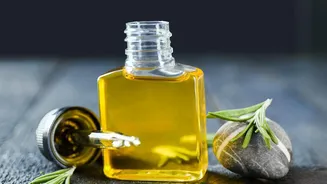
Rosemary oil has recently gained significant attention, and for good reason. It stands out because some scientific evidence suggests it can directly influence the hair growth cycle. A notable 2015 study found that over six months, rosemary oil application produced hair count increases comparable to 2% minoxidil, a standard over-the-counter treatment for androgenetic alopecia (pattern baldness). It's thought to work by improving circulation to the follicles and potentially offering anti-inflammatory benefits. While the evidence is promising, it's still limited to a small number of studies. It is not a miracle cure and cannot revive long-dead follicles, but it represents one of the most evidence-backed botanicals for supporting hair growth at the scalp level.
Your Action Plan: Diagnose, Then Treat
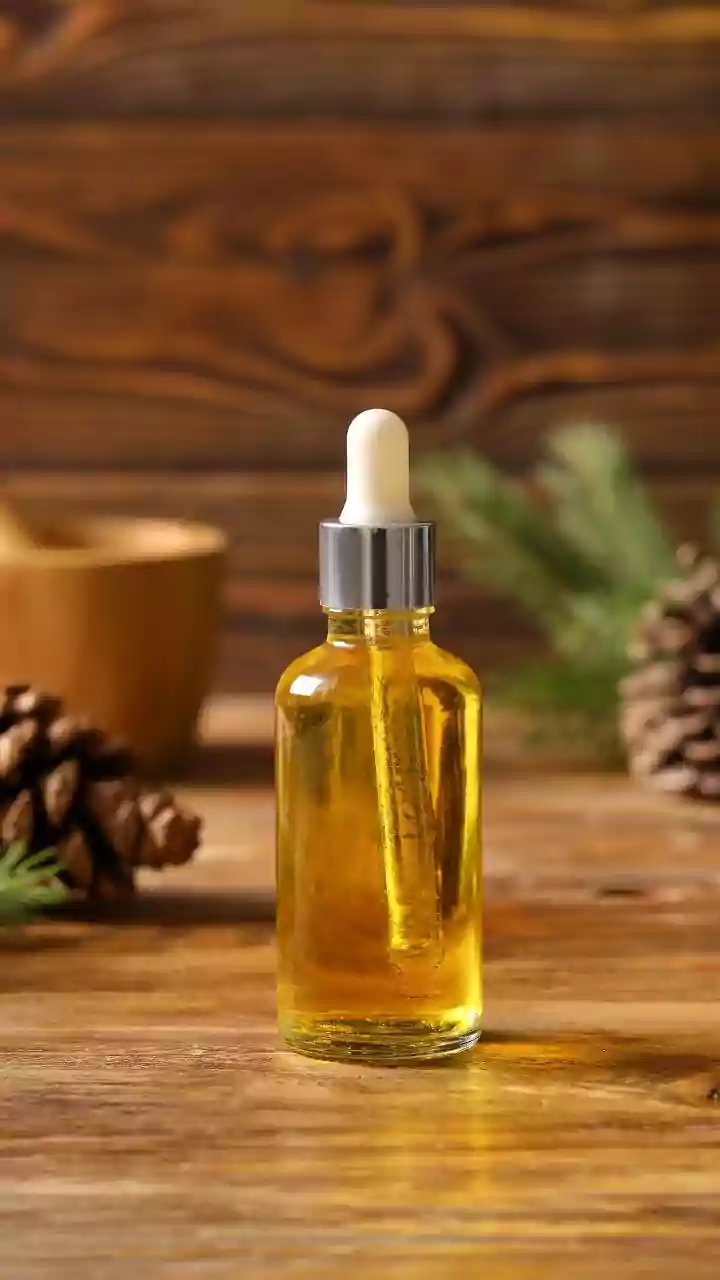
So, how do you put this knowledge into practice? First, examine the hair you're losing. Are they short, snapped pieces? Your focus should be on protecting the hair shaft. Apply a nourishing oil like argan or coconut oil to the mid-lengths and ends of your hair, especially before washing or as a finishing touch to reduce frizz. Are you shedding full-length hairs with bulbs? Your issue is at the scalp. Consider a scalp massage with a carrier oil mixed with a few drops of an essential oil like rosemary. Apply it directly to the scalp, massage gently for a few minutes to boost circulation, and leave it on for about an hour before washing thoroughly. Over-oiling can clog pores, so once or twice a week is usually sufficient.