



The Problem with Full-Sized Recipes
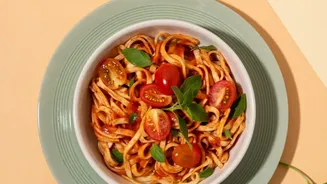
Most recipes found online or in cookbooks are designed to serve four, six, or even eight people. For a solo cook, this is a built-in problem. Following the instructions directly often leads to a mountain of food that is impossible to finish before it
spoils or you get tired of eating it. While freezing leftovers is a common strategy, it has its limits; freezers become cluttered graveyards for forgotten meals, and not all dishes reheat well. This cycle can be discouraging, making takeout or simple, uninspired meals seem like easier options. The reality is that the modern food system, from grocery packaging to recipe standards, is often not designed for single-person households.
A Mindset Shift to Smarter Cooking
Adopting a half-batch approach is more than just a mathematical exercise; it's a change in mindset. Instead of seeing it as cooking 'less', frame it as cooking 'smarter'. The goal is not deprivation, but empowerment. You gain control over your portions, reduce waste, and save money on groceries that would otherwise go bad. This strategy allows you to enjoy freshly cooked meals more often, which is not only more satisfying but also healthier. It frees you from the tyranny of the same leftover meal for days on end, opening the door to more culinary variety and enjoyment in your own kitchen.
How to Perfectly Scale Down Any Recipe
Scaling down a recipe isn't always as simple as dividing every ingredient by two. While straightforward for liquids and most core components, some items require a bit more thought. For spices and potent flavourings, it's wise to start with slightly less than half and adjust to taste, as their intensity doesn't always scale down linearly. When a recipe calls for a single egg, a good trick is to whisk it in a small bowl and then use only half of the whisked liquid. It's also helpful to write down your new, smaller measurements to avoid confusion while cooking. Using a kitchen scale can make this process far more precise than relying on measuring spoons for tiny amounts.
Your Essential Half-Batch Toolkit
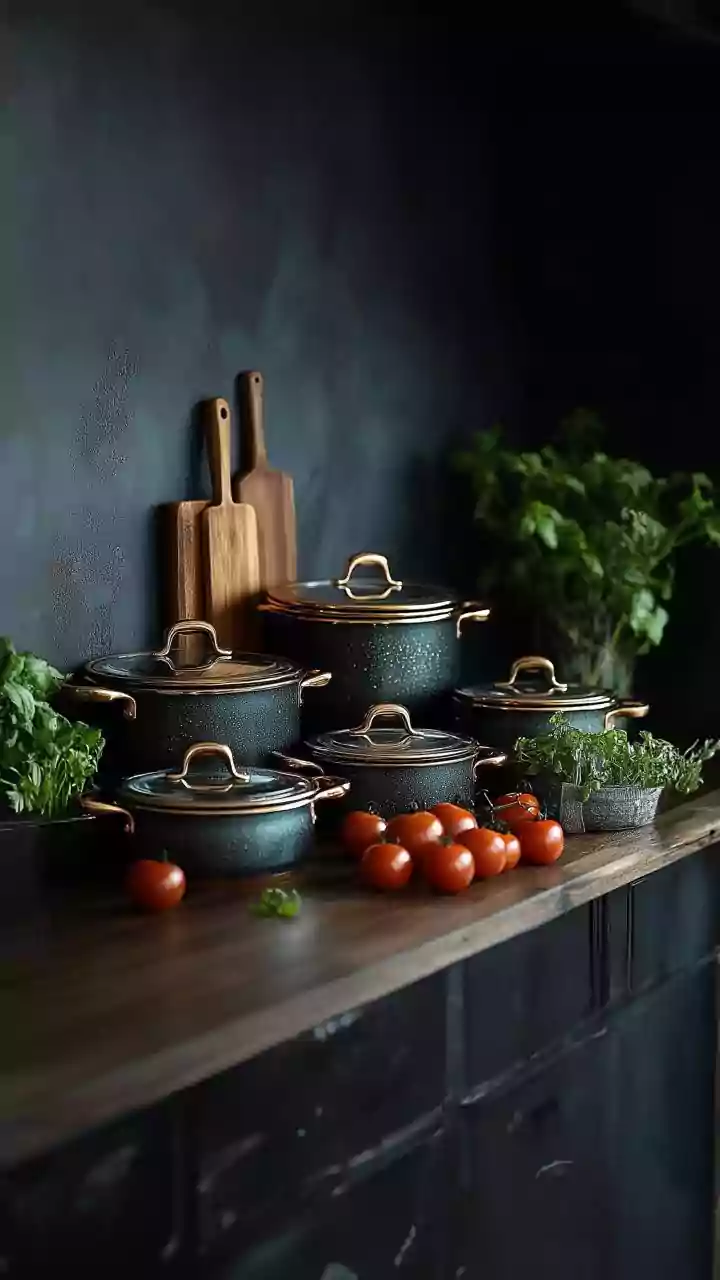
Cooking smaller portions is much easier with the right equipment. Using a large pan for a small amount of food can cause it to cook too quickly or burn. Investing in a few key pieces of smaller cookware can make a huge difference. A small 6 to 8-inch cast-iron skillet is incredibly versatile for everything from single-serving frittatas to skillet dinners. Small baking sheets, loaf pans, and mini casserole dishes are also perfect for roasting vegetables or baking a dish for one. These items ensure your food cooks evenly and properly, making the entire process more successful and less frustrating.
Stock Your Pantry for Solo Success
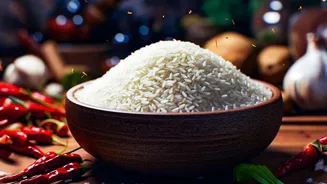
A well-stocked pantry is a solo cook's best friend. Focus on versatile ingredients that pack a lot of flavour and have a long shelf life. Items like miso paste, harissa, various vinegars, and spice blends can elevate a simple dish without requiring you to buy a dozen fresh ingredients. Frozen vegetables and proteins are invaluable, allowing you to use just what you need without worrying about spoilage. Buying staples like rice, lentils, and spices from bulk bins, where available, is another excellent way to purchase only the quantity you need. Having these items on hand makes it easier to whip up a satisfying single-portion meal anytime.
The Joy of More Variety
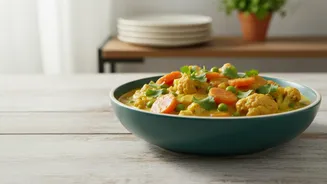
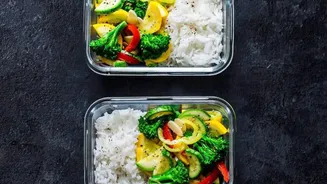
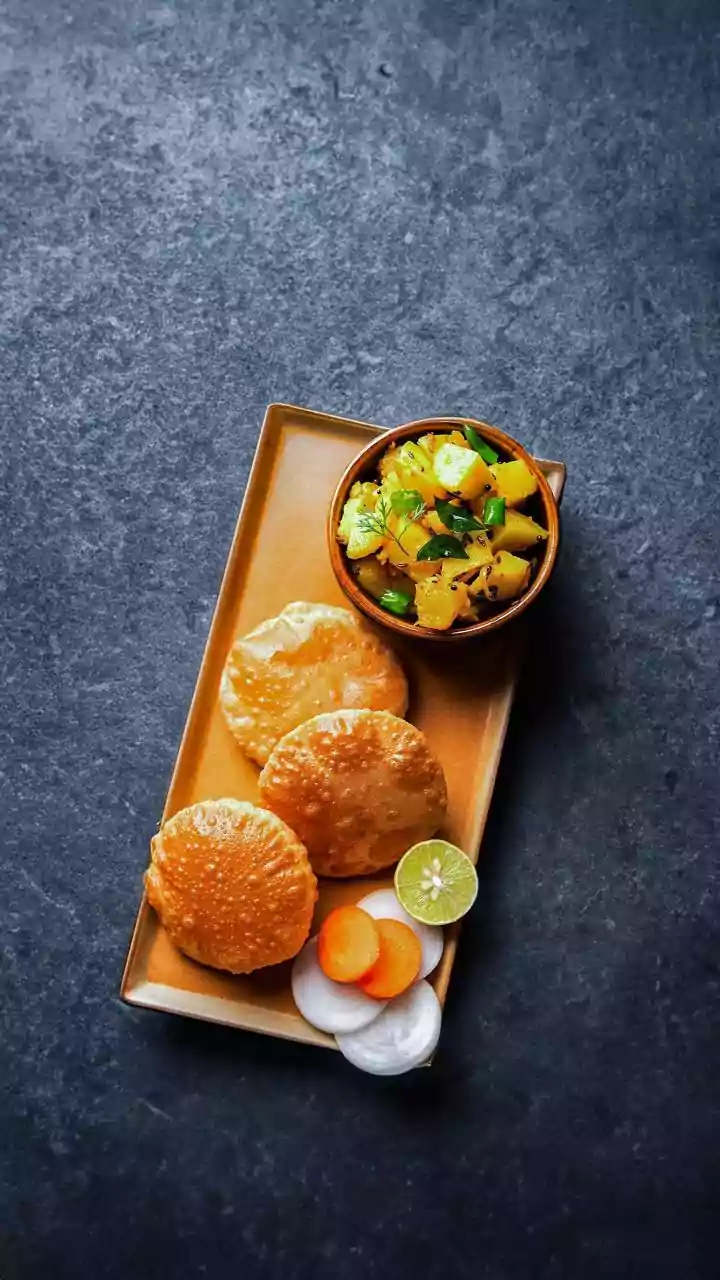
Perhaps the greatest benefit of mastering the half-batch is the freedom it gives you to explore. When you're not committed to eating the same large batch of chili for a week, you can try new recipes more frequently. You can make a small portion of a dal on Monday and try a new stir-fry on Wednesday, all without overwhelming your fridge or your palate. This turns cooking from a chore focused on managing excess into a creative and enjoyable activity. It’s an opportunity to experiment with different cuisines and techniques, making your meals for one something to look forward to every day.