





Demystifying BAS-01
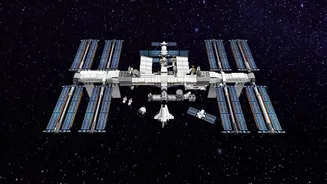
The term 'BAS-01' refers to the very first module of the Bharatiya Antariksh Station (BAS), India's planned indigenous space station. This isn't just another satellite; it's envisioned as a modular, multi-component orbital platform where astronauts can
live and work. The complete station is expected to consist of five interconnected modules, and BAS-01 is the foundational piece. With a target launch year of 2028, this initial module will serve as a test bed for essential technologies like life support systems and crew quarters, orbiting approximately 400 kilometres above the Earth. The entire project is a natural extension of the Gaganyaan human spaceflight programme, leveraging its technologies to establish a long-term Indian presence in low-Earth orbit.
The Significance of the Expert Review
Before a single piece of metal is fused for a project of this magnitude, the blueprints must be flawless. This is where the expert committee comes in. The recent completion of the Baseline Design Review is a crucial engineering milestone. Think of it as a high-stakes exam for the project's core design. A national-level committee of specialists reviewed the overall configuration to ensure all systems can work together seamlessly. The process involved scrutinizing 31 baseline design documents that outline everything from the station's system engineering to its core functions. By giving the design a green light, the committee has effectively confirmed that the architectural plans for India's future home in space are sound, paving the way for the next phase of development.
From Blueprint to Subsystems
With the successful completion of the design review, the Indian Space Research Organisation (ISRO) has now officially begun designing the critical subsystems for BAS-01. This means engineers are moving from the high-level architectural plan to the intricate details of the station's nuts and bolts. Development will focus on critical, indigenously developed technologies, including flight suits, crew seats, and the all-important docking mechanisms that will allow spacecraft to connect with the station. The government informed Parliament that work on these subsystems is underway, marking a tangible shift from concept to construction. This phase is where the theoretical designs are translated into the practical hardware needed to support human life in the harsh environment of space.
What Happens Next?
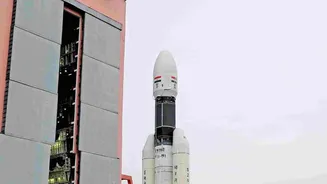
The roadmap for the Bharatiya Antariksh Station is ambitious and phased. The immediate focus is on completing the subsystem designs and beginning the manufacturing process for the BAS-01 module, which is targeted for launch by 2028 aboard an LVM3 vehicle. This is part of a broader, expanded Gaganyaan programme with a total budget of over ₹20,000 crore. Following the launch of the first module, ISRO will undertake missions to demonstrate and validate the technologies required for building and operating the full station. The complete five-module station, which will eventually weigh around 52 tonnes, is targeted for completion by 2035. This phased approach allows ISRO to learn and adapt, ensuring each new component integrates perfectly with the last.
Why This Project Matters for India
The Bharatiya Antariksh Station is more than a scientific curiosity; it represents a major leap in India's strategic and technological capabilities. A permanent space station will serve as a microgravity research hub, allowing for advanced studies in medicine, material science, and fluid behaviour that are impossible on Earth. It provides the nation with the capability for long-duration human spaceflight, a necessary step for future missions to the Moon and beyond, with a crewed lunar mission envisioned for 2040. Economically, the project is expected to drive high-tech manufacturing and innovation, aligning with India's goal of increasing its share of the global space economy. Ultimately, BAS establishes India as a major player in space, capable of not just visiting, but sustaining a human presence in orbit.