
An Introduction to Ethiopia's Grain Powerhouses
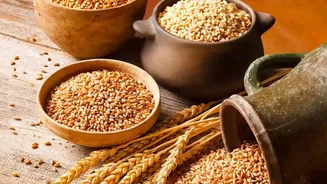
For thousands of years, Ethiopian cuisine has been built upon a foundation of hardy, nutritious grains. Among the most prominent are teff and sorghum, staples that have sustained communities and shaped the country's distinct culinary identity. These grains are not
just historical artifacts; they are vibrant, versatile ingredients finding a new audience in kitchens around the world, including India. Their appeal lies not only in their unique flavours but also in their impressive health credentials and their surprising adaptability to recipes we already know and love. From flatbreads to porridges, these grains form the backbone of many Ethiopian meals.
Meet Teff: The Tiny But Mighty Grain
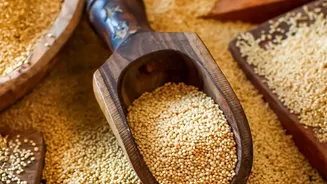
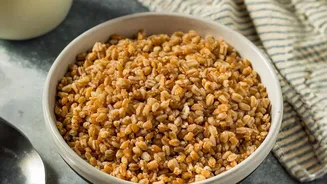
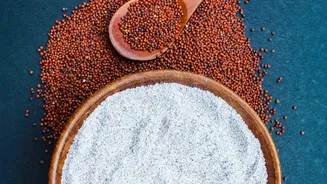
Teff is the smallest grain in the world, so tiny that its name in Amharic means “lost.” But don't let its size fool you. This naturally gluten-free grain is a nutritional titan, packed with protein, fibre, and essential minerals like iron and calcium. In fact, it boasts a higher calcium and iron content than most other grains. Traditionally, teff is fermented and made into injera, a spongy, sour flatbread that serves as both the plate and utensil for scooping up rich stews, known as 'wots'. With its mild, slightly nutty and earthy flavour, teff flour is now gaining popularity worldwide in everything from pancakes and baked goods to porridges.
Sorghum: The Familiar Face with a New Story
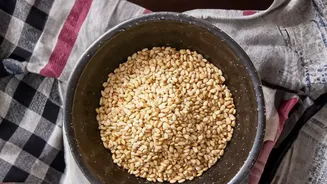
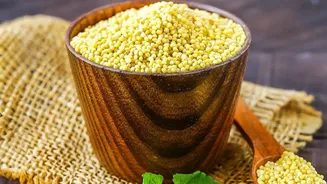
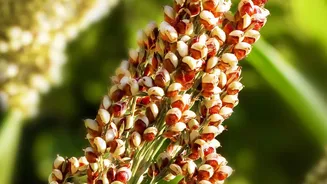
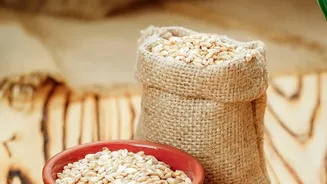
While teff might be a new name for many, sorghum is an old friend to Indian households, where it is widely known as jowar. This versatile, gluten-free grain has been a staple for centuries, used to make everything from rotis to porridges. In Ethiopia, sorghum holds a similar place of importance, especially in arid regions where its drought-resistant nature makes it a reliable food source. Exploring sorghum through its Ethiopian context encourages us to see this familiar grain in a new light. It’s a workhorse ingredient that is naturally high in fibre, protein, and antioxidants that can help manage blood sugar levels.
Bringing Teff into the Indian Kitchen
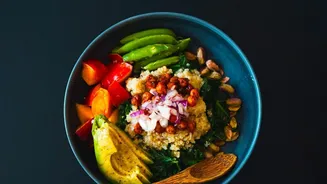
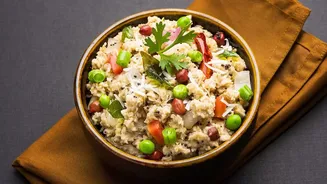
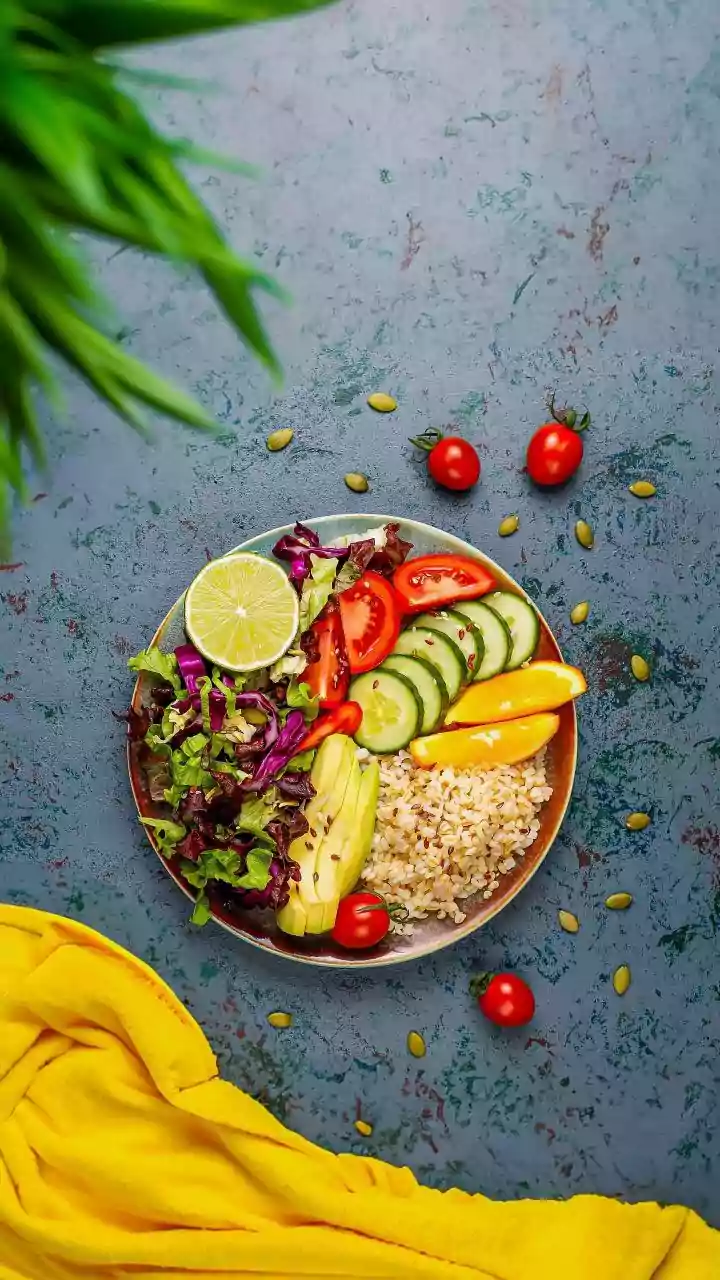
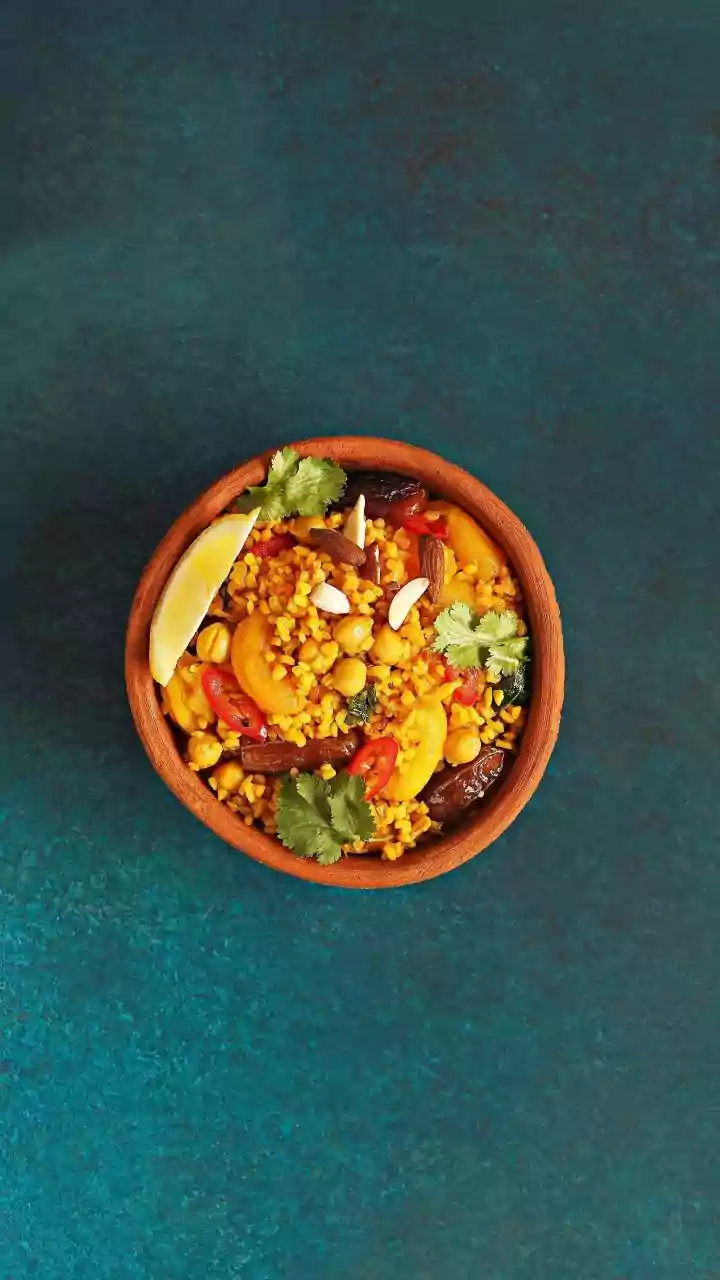
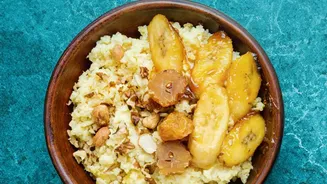
The similarities between Ethiopian and Indian cuisines, especially the use of lentils and spiced stews, make teff a natural fit. The fermented nature of injera is reminiscent of South Indian appam or dosa. This provides a perfect starting point for experimentation. Try substituting a portion of your regular flour with teff flour when making dosa or uttapam batter for a nutrient boost and a deeper, nuttier flavour. Its excellent binding properties also make it a great addition to gluten-free cheelas or crepes. You can also use whole-grain teff as you would quinoa or millet in salads, or cook it into a creamy porridge similar to upma, seasoned with your favourite Indian spices.
Reimagining Jowar, the Ethiopian Way
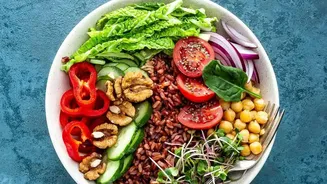
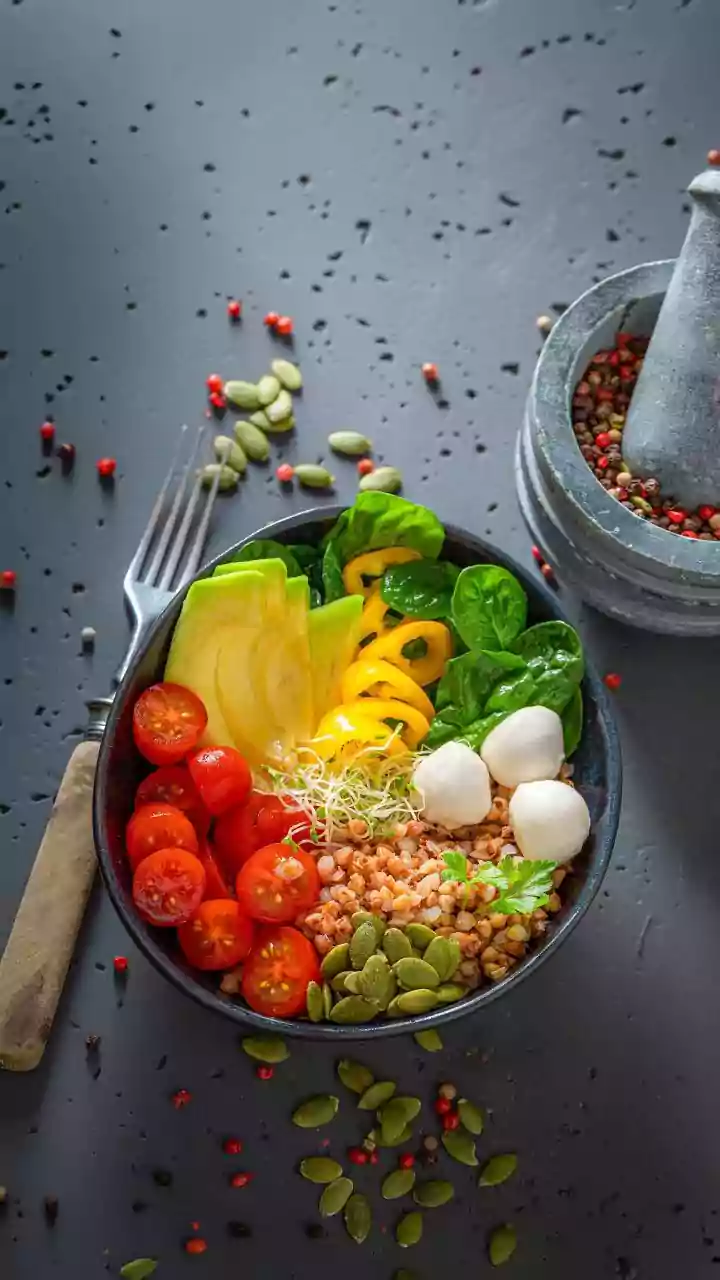
It’s time to think beyond jowar roti. Sorghum's mild, slightly sweet taste makes it incredibly versatile. The whole grain can be cooked until chewy and used as a base for hearty grain bowls or tossed into salads for added texture. It can be used to create a modern take on upma or khichdi, offering a pleasant bite. One of the most enjoyable ways to use sorghum is to pop it like popcorn for a healthy, crunchy snack. Sorghum flour, already a staple, can be used in a wider variety of baked goods, from savoury crackers and pizza bases to muffins and cookies, providing a wholesome, gluten-free alternative.
A Boost of Health on Your Plate
Incorporating teff and sorghum into your diet is an easy way to enhance the nutritional value of your meals. Both are naturally gluten-free, making them excellent choices for those with sensitivities. Their high fibre content aids in digestion and promotes gut health. Furthermore, these grains have a low glycemic index, which helps in managing blood sugar levels, a significant benefit for individuals with diabetes. Rich in plant-based protein and essential minerals like iron, magnesium, and potassium, they offer a simple switch to make everyday recipes significantly healthier.