





Decoding the Jeweller's Mark
For years, buying gold involved trusting the jeweller's word and a few small stamps on the ornament. The Bureau of Indian Standards (BIS) introduced hallmarking to certify purity, but the system lacked individual traceability, which allowed some fraudulent
sellers to pass off lower-purity gold as certified. To solve this, the government made a new system mandatory. As of April 2023, all new hallmarked gold jewellery sold in specified districts must carry a Hallmark Unique Identification (HUID) number. This six-character alphanumeric code acts like an Aadhaar card for your jewellery, linking each specific piece to a central database. This modern system consists of three essential marks: the triangular BIS logo, the purity grade (e.g., 22K916), and the unique HUID code. This creates a transparent and auditable trail from the testing centre to the retail counter.
Understanding '916' and HUID
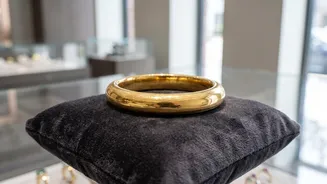
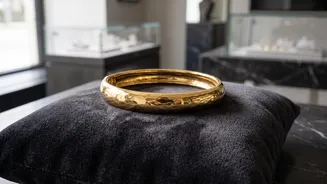
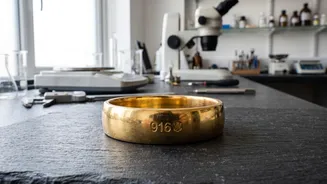
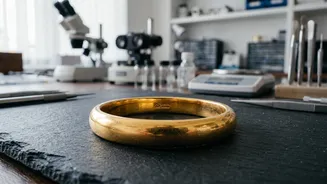
The terms on your jewellery can be confusing, but they are simple once you know the code. '916' refers to the fineness of the gold. It means the metal is 91.6% pure gold, with the remaining 8.4% being other alloys like copper or silver that add durability. This purity level is commonly known as 22-karat (22K) gold, a traditional standard for bridal and ceremonial jewellery in India. The HUID, on the other hand, does not describe purity itself; it identifies the individual item. Think of it this way: two identical bangles can both be 22K916 gold, but each will have its own distinct HUID. The purity mark tells you the gold content, while the HUID links that specific piece to its unique certification record.
Introducing the BIS Care App
The Bureau of Indian Standards has launched a free mobile application called 'BIS Care' for both Android and iOS devices. Its main purpose is to empower consumers by allowing them to independently verify the authenticity of various certified products, most importantly, hallmarked gold jewellery. The app's 'Verify HUID' feature is a consumer's most powerful tool against fraud. By simply entering the six-digit code from a piece of jewellery, anyone can access the official database and see the details logged when that specific item was tested and certified. This takes the guesswork out of a purchase and replaces trust with certainty, ensuring you get exactly what you are paying for.
How to Verify Your Gold in Minutes
Using the app at the jeweller's counter is simple and takes less than a minute. First, download the official 'BIS Care' app from the Google Play Store or Apple App Store and complete a simple registration with your name and mobile number. Once in the app, tap the 'Verify HUID' option on the home screen. You will need to locate the six-character code on the jewellery, which is often tiny and may require a magnifying glass or your phone's camera zoom. Carefully type this alphanumeric code into the app. Upon submitting, the app will retrieve the official record for that specific HUID from the BIS database.
What the Verification Results Mean
A successful verification will display several key details about your jewellery. This includes the purity grade (e.g., 22K916), the type of article (e.g., 'ring' or 'bangle'), the name of the Assaying and Hallmarking Centre (AHC) that tested it, and the jeweller's registration details. It is crucial to compare this information with the actual piece and your purchase invoice. If the app shows 'record not found', first double-check for typos. If it still fails, or if the purity or article type in the app doesn't match the jewellery in your hand, it is a major red flag. Do not proceed with the purchase until the jeweller provides a clear explanation. A genuine, newly hallmarked item should always verify correctly.