


The Star Appetiser You Need to Know
Enter the Dahi Kebab. For the uninitiated, the name itself can be intriguing. How can yoghurt, a semi-liquid food, become a kebab? The answer lies in a brilliant display of culinary science and artistry. Primarily found on North Indian restaurant menus,
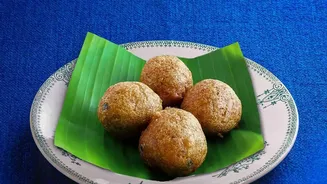
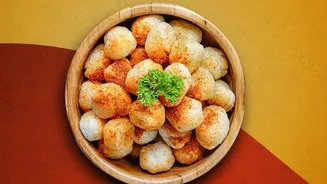
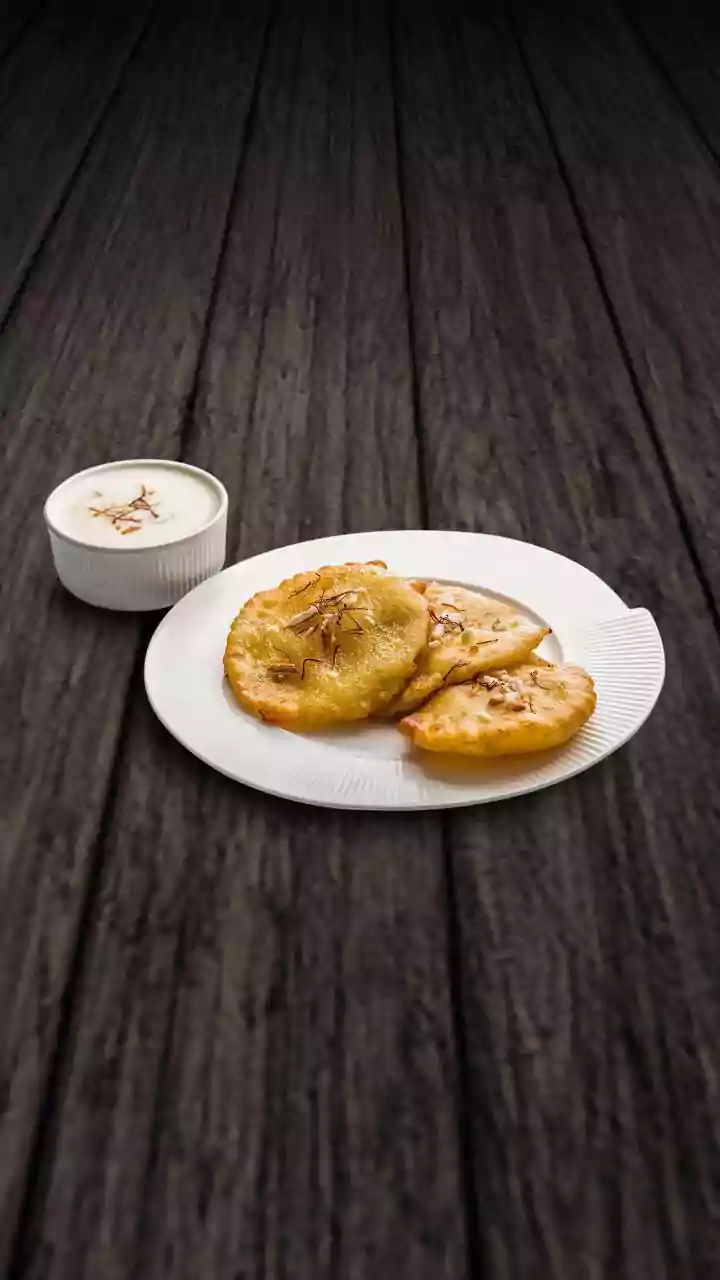
these are not your typical meat or vegetable patties. They are delicate, savoury cakes with a remarkably crisp exterior that gives way to an impossibly soft, creamy, and almost melting interior. It’s this contrast of textures, along with a subtle, tangy flavour profile, that makes Dahi Kebabs a truly unique appetiser, often served with a side of green chutney for a fresh, spicy counterpoint.
The Magic of Hung Curd
The secret behind this transformation is 'hung curd', which is essentially yoghurt drained of all its whey. To make it, fresh, thick curd is tied in a muslin cloth and left to hang for several hours, sometimes overnight. This process removes the water, leaving behind a thick, creamy, cheese-like solid. This is the foundational block of the kebab. The quality of the final dish hinges on this step; the curd must be fresh and not sour, and the whey must be drained thoroughly to ensure the kebabs don't become soggy or absorb excess oil during cooking. This thick, protein-rich base is what allows the yoghurt to be moulded and fried like a conventional patty.
A Symphony of Flavours and Textures
While hung curd provides the body and a gentle tang, the kebab's flavour is built with a careful selection of supporting ingredients. Finely chopped onions, ginger, green chillies, and fresh coriander are common additions. Aromatic spices like roasted cumin powder and garam masala lend warmth and complexity. To bind the mixture and absorb any remaining moisture, roasted gram flour (besan) is traditionally used. Many recipes also incorporate crumbled paneer for added creaminess, or chopped nuts like cashews for a surprising textural crunch within the soft filling. This careful balance prevents the kebab from tasting doughy and ensures the final product is light and flavourful.
A Taste of Royal Kitchens
The origins of the Dahi Kebab are often traced to the opulent kitchens of Awadhi cuisine in Lucknow, a city renowned for its culinary patronage by the Nawabs. This style of cooking, heavily influenced by Mughlai traditions, is known for its complex, slow-cooked dishes and melt-in-the-mouth textures, a description that perfectly fits the Dahi Kebab. While kebabs in India are often associated with grilled meats, the country has a rich tradition of vegetarian kebabs, and the Dahi Kebab stands out as a prime example of this ingenuity. Though once a delicacy for special occasions, it has firmly established itself as a beloved starter in restaurants across India.