


The Temperature Danger Zone
The most important rule in food safety revolves around temperature. The 'danger zone' is the temperature range between 5°C and 60°C, where harmful bacteria can multiply rapidly. Perishable foods left in this zone for more than two hours (or just one hour if
it's over 32°C) are not considered safe to eat. This is why a sandwich or a container of curry sitting in a backpack until noon can pose a risk, even if it was made with the freshest ingredients.
Keeping Cold Foods Cold
For lunches containing items like meat, poultry, eggs, paneer, or yogurt, maintaining a cold temperature is non-negotiable. An insulated lunch bag is your best first line of defence. To be effective, you should include at least two cold sources. This could be two frozen gel packs, or one gel pack combined with a frozen juice box or water bottle. When packing, place the perishable items between these cold sources. If you prepare the lunch the night before, keep it in the refrigerator until you're ready to leave home. If a refrigerator is available at your destination, use it immediately upon arrival.
Keeping Hot Foods Hot
If you're packing a hot meal like soup, dal, or stew, it needs to stay above 60°C to remain safe. The best tool for this is a high-quality insulated thermos or container. To ensure it works effectively, pre-heat the container before adding food. Fill it with boiling water, let it stand for a few minutes, then empty the water and immediately add the piping hot food. Keep the container sealed tightly until lunchtime to lock in the heat.
Smart Packing and Preparation
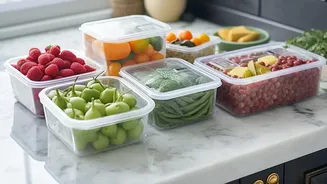
Food safety starts before anything enters the lunchbox. Always wash your hands, utensils, and cutting boards with hot, soapy water. Use separate cutting boards for raw meats and fresh produce to avoid cross-contamination. It’s also wise to cook foods well ahead of time to allow them to cool completely in the refrigerator before packing. For quicker cooling, divide large portions into smaller, shallow containers. When it comes to the lunchbox itself, choosing one made of food-grade, BPA-free material is an important first step. If you’re packing different food items, using a box with separate compartments helps prevent mixing and potential cross-contamination.
It’s Not Just About the Food
The lunchbox itself can become a breeding ground for bacteria if not cleaned properly. A daily wipe-down with an antibacterial wipe is a good habit. At least once a week, perform a deep clean. For most plastic or stainless steel boxes, washing with hot, soapy water is sufficient. Many fabric bags can be machine washed on a gentle cycle with cold water, but always check the care tag first. Let the lunchbox air dry completely with the lid open, as a damp environment encourages mould and bacteria growth. For lingering odours, sprinkling baking soda inside and leaving it overnight can work wonders.
When in Doubt, Throw It Out
It can be tempting to save uneaten portions, but it's often the riskiest choice. If a perishable food item comes back home and hasn't been kept consistently cold, it should be discarded. This is especially important for children's lunches, as their immune systems are still developing. Packing just the amount of food that can be eaten at lunchtime is a good strategy to reduce waste and avoid any safety concerns about leftovers.