




Maharashtra: The Epicentre of Grandeur
Nowhere are the celebrations for Ganesh Chaturthi more public and spectacular than in Maharashtra. The tradition of 'Sarvajanik Ganeshotsav', or public festivities, was popularised by freedom fighter Lokmanya Tilak in 1893 to foster a sense of community
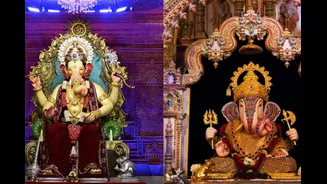
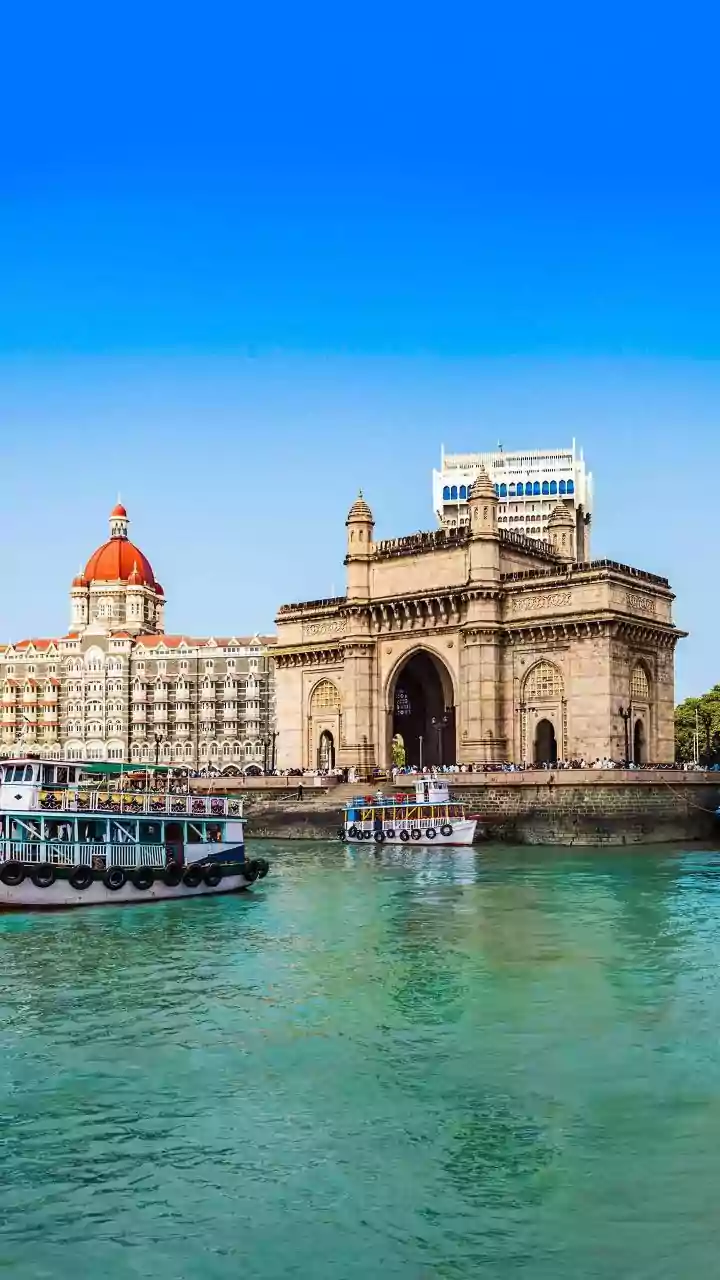
and national pride. Today, this legacy thrives in cities like Mumbai and Pune. Mumbai is famous for its pandal-hopping culture, where devotees visit massive, elaborately decorated temporary shrines, with the Lalbaugcha Raja being one of the most revered. Pune is known for its five 'Manache Ganpati', or respected idols, which lead the immersion procession with traditional discipline. The festival is a 10-day extravaganza filled with the energetic beats of dhol-tasha drums, cultural programs, and culminating in a grand 'visarjan' (immersion) ceremony. The quintessential offering and sweet treat here is the steamed modak, a dumpling filled with coconut and jaggery.
Goa: A Coastal and Creative Touch
In Goa, the festival, known as 'Chovoth', takes on a more intimate, family-oriented character. While public pandals exist, the heart of the celebration is in ancestral homes, where families reunite for the festivities. A standout Goan tradition is the 'matoli', a wooden canopy hung over the Ganesha idol, painstakingly decorated with a variety of local, seasonal fruits, flowers, and leaves. This tradition reflects the region's deep connection to nature. The celebrations often involve singing traditional Konkani hymns accompanied by the ghumot, a local percussion instrument. The idols are often eco-friendly, and the entire festival feels deeply rooted in community, family, and coastal heritage. Seafood, a staple of Goan cuisine, is typically avoided during the festival period.
Karnataka: Celebrating Gauri and Ganesha Together
Karnataka's celebrations have a unique prelude. A day before Ganesh Chaturthi, families observe 'Gowri Habba', a festival honouring Goddess Gauri (Parvati), Ganesha's mother. It's believed that Gauri arrives at her parents' home, and Ganesha comes the next day to take her back to Kailash. Consequently, idols of both mother and son are often worshipped together. The state has a growing emphasis on eco-friendly celebrations, with many opting for clay idols that dissolve easily in water. Cultural events featuring classical music and dance are a significant part of the festivities in cities like Bengaluru. A special offering in Karnataka is 'Panchakajjaya', a mixture made from ingredients like roasted gram, coconut, jaggery, and sesame.
Tamil Nadu: The Simplicity of Pillaiyar Chaturthi
In Tamil Nadu, the festival is known as 'Pillaiyar Chaturthi', with Pillaiyar being a common name for Ganesha in the region. Traditionally, the celebrations are more private and home-centric. Families worship small, often unpainted clay idols, decorating them simply with grass and flowers. The focus is on prayer and food, especially the preparation of 'kozhukattai', a steamed rice flour dumpling that is the local equivalent of the modak and comes in both sweet and savoury versions. While public celebrations have become more common, the essence of Pillaiyar Chaturthi in Tamil Nadu remains its devotional simplicity and family-oriented rituals.
Andhra Pradesh & Telangana: Land of the Towering Idols
The states of Andhra Pradesh and Telangana, where the festival is called 'Vinayaka Chavithi', are renowned for their monumental Ganesha idols. The Khairatabad Ganesh in Hyderabad, in particular, is famous for its colossal size, which attracts thousands of devotees each year. The celebrations are grand and public, with pandals competing to create the most impressive idols and decorations. Apart from the scale, a key tradition is the 'Palavelli', a decorated frame hung over the idol with various fruits and leaves. The festival culminates in a massive, unified immersion procession, especially at Hussain Sagar Lake in Hyderabad, marking a spectacular end to the vibrant 11-day festivities.