


The Genius of a Simple Swap
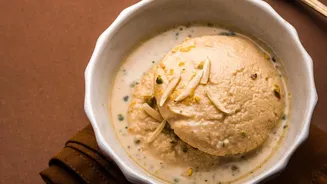
At its heart, Sabudana Rasmalai is a brilliant culinary shortcut. Traditional Rasmalai requires the time-consuming process of making chenna (an Indian cheese), kneading it, and then poaching delicate discs in sugar syrup. This fusion dessert cleverly
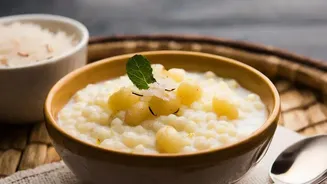
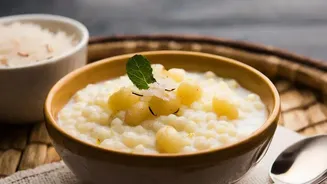
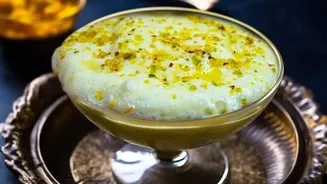
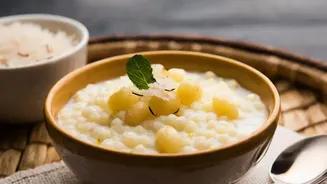
replaces the chenna patties with sabudana, or tapioca pearls. These pearls, once cooked, offer a wonderfully soft and chewy texture that absorbs the sweetened, fragrant milk beautifully. The result is a dessert that captures the essence of Rasmalai without the most labour-intensive step, making it an accessible yet impressive dish for home cooks.
A Unique Textural Delight
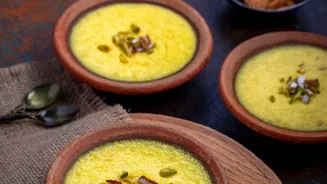
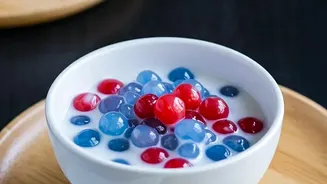
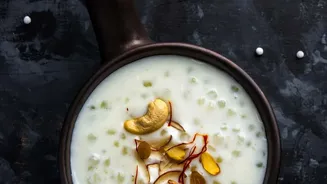
The primary appeal of this fusion lies in its unique texture. While traditional Rasmalai is known for its soft, spongy consistency, Sabudana Rasmalai introduces a delightful chewiness. The small, translucent pearls float in the thickened milk, offering a mouthfeel that is both familiar and novel. Each spoonful delivers the creamy richness of the 'ras' (the flavoured milk) combined with the pleasant bite of the tapioca pearls. This textural contrast is what sets it apart, turning a classic dessert into a new experience. For those who enjoy the texture of sabudana kheer or payasam, this dessert is a logical and delicious next step.
Perfect for Festivals and Fasting
Sabudana holds a special place in Indian cuisine, particularly during fasting periods like Navratri or Ekadashi, as it's considered a source of quick energy. This makes Sabudana Rasmalai an ideal dessert for festive occasions. It aligns with traditional fasting (vrat) requirements while still feeling like a luxurious treat. Serving a modern fusion dessert like this can be a wonderful conversation starter at gatherings for Diwali or other celebrations, showing culinary creativity that is still rooted in familiar flavours. It’s a modern way to honour tradition.
Tips for Perfect Sabudana Rasmalai
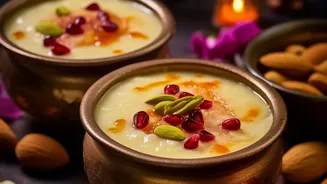
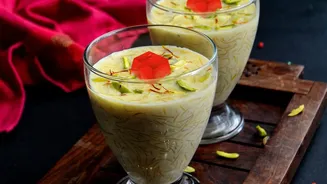
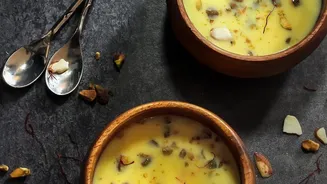
To ensure your dessert is a success, the key is in preparing the sabudana correctly. Most recipes suggest soaking the pearls for a few hours to soften them before cooking. Some simpler versions involve creating small balls from soaked and coarsely ground sabudana mixed with milk powder, which are then boiled directly in the milk. To prevent the pearls from becoming a sticky, lumpy mass, it's crucial to cook them until they are fully translucent. The milk base, or rabri, should be simmered until it's slightly thickened and richly flavoured with saffron, cardamom, and your choice of sweetener, such as sugar or condensed milk. Garnish generously with slivered pistachios and almonds for a final crunch and a beautiful presentation.
A Gateway to Fusion Cooking
Indian fusion desserts are becoming increasingly popular, with home cooks and chefs alike experimenting with combinations like Gulab Jamun Cheesecake and Gajar Ka Halwa Cake. Sabudana Rasmalai fits perfectly into this trend as an entry-level fusion recipe. It doesn't require advanced baking skills or unfamiliar ingredients. Instead, it relies on a clever re-imagining of two classic components. For any home cook wanting to dip their toes into the exciting world of fusion desserts, this recipe offers a high reward for relatively low effort. It proves that innovation in the kitchen doesn’t have to be complicated; sometimes, the best ideas are the simplest.