








From Risky Business to Box Office Gold
Tom Cruise's journey from a fresh-faced actor to a Hollywood heavyweight began in the 1980s. After an early role in "Taps," his salary for 1986's "Top Gun" was a cool $2 million. While a significant sum for the time, it was the film's blockbuster success
that cemented his status as a bankable leading man. Throughout the late '80s and '90s, films like "Rain Man," "Days of Thunder," and "A Few Good Men" solidified his position, allowing him to command salaries of $20 million or more per film. But the real financial genius of Tom Cruise wasn't just in his acting fees; it was in his decision to take control of his own destiny.
The Power Move: Becoming a Producer
The major turning point in Cruise's financial career came in 1996 with "Mission: Impossible." Instead of just starring in the film, he produced it through his newly formed company, Cruise/Wagner Productions. This move was revolutionary. By taking on the producer role, Cruise wasn't just an employee; he was a partner. For the first "Mission: Impossible," he negotiated a deal that reportedly earned him a massive $70 million, combining his salary with a share of the film's profits. This set a new precedent for his career. The "Mission: Impossible" franchise would become his financial cornerstone, with each installment bringing in staggering paydays thanks to his dual role as star and producer.
Mastering the Art of the 'First-Dollar Gross'
Tom Cruise's true financial superpower is his mastery of the "first-dollar gross" deal. In Hollywood, many actors who get a percentage of the profits (known as "net points") often see no money because of creative studio accounting. A first-dollar gross deal, however, means the star gets a percentage of the studio's revenue from the very first ticket sold, before most deductions are made. This is a rare and powerful arrangement reserved for only the biggest stars. Cruise has famously negotiated these deals for many of his biggest hits. For "Mission: Impossible II" and the 2005 film "War of the Worlds," he reportedly earned around $100 million for each movie through these lucrative profit-sharing agreements.
The 'Top Gun: Maverick' Payday
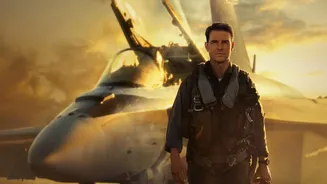
Decades after the original, the success of "Top Gun: Maverick" in 2022 showcased the enduring power of Cruise's model. He took a relatively modest upfront salary of around $13 million in exchange for a significant backend deal. As the film soared to nearly $1.5 billion at the global box office, becoming the highest-grossing film of his career, so did his earnings. Reports estimate his total payday for "Maverick" exceeded $100 million, making it one of the largest single-movie paychecks in history. This success was a direct result of his willingness to bet on himself and the film's performance, a strategy he has honed over his entire career.
An Empire Built on Control and Commitment
Tom Cruise's $600 million empire is ultimately built on a foundation of relentless control and unparalleled commitment. By producing his own films, he maintains creative authority and ensures they align with his vision for a practical, stunt-driven cinematic experience that audiences flock to see. His insistence on performing his own dangerous stunts is not just a marketing gimmick; it's a core part of his brand, signaling a level of dedication that justifies his massive financial stake in the projects. He doesn't just act in his movies; he embodies them, from the production meetings to the death-defying action sequences. This complete immersion has allowed him to remain one of the most powerful and highest-paid actors in the world.