


The Appeal of Hyper-Local Flavour
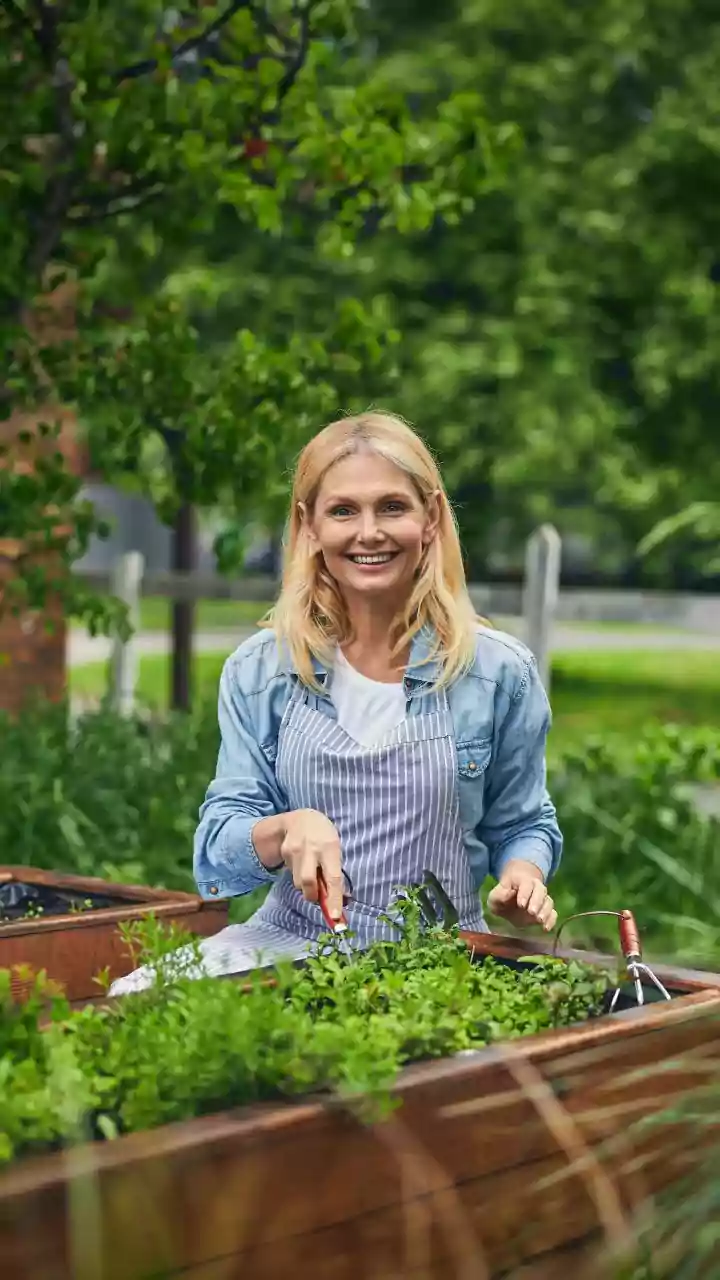
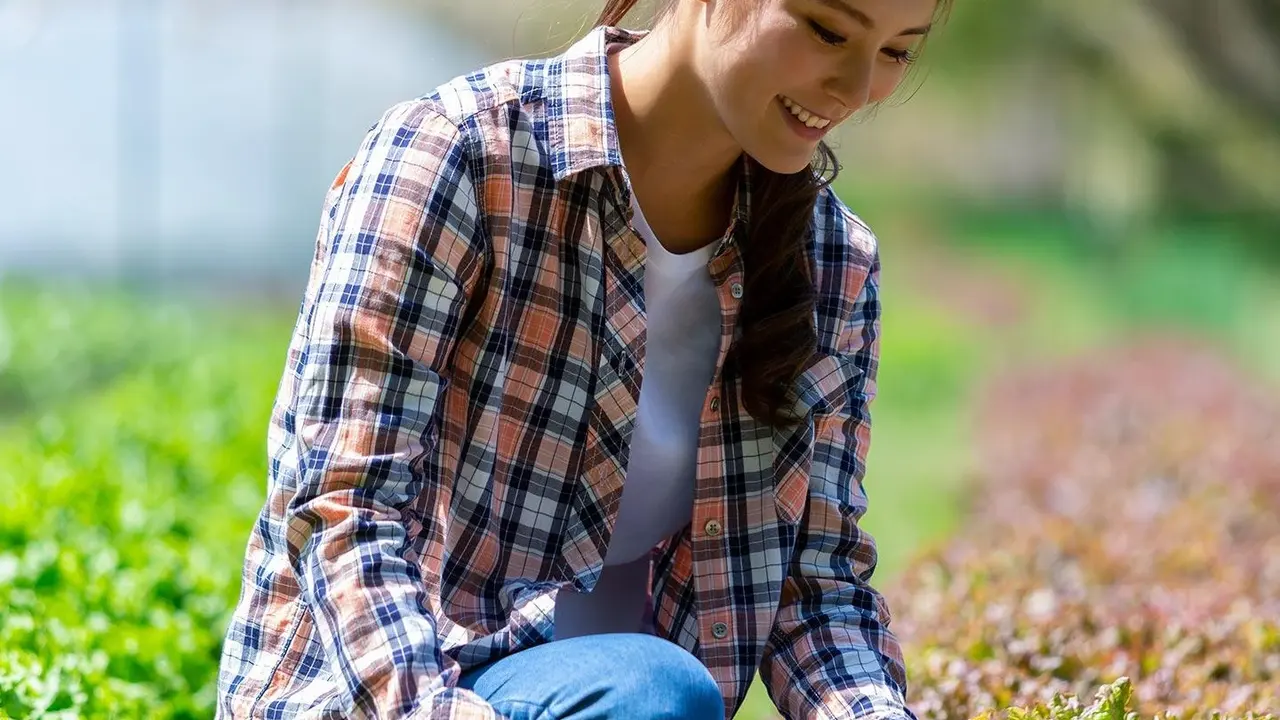
The trend of urban gardening is becoming increasingly popular as more people seek simple ways to access fresh, organic food. Growing herbs at home offers numerous benefits that resonate with modern urban life. Firstly, it guarantees unparalleled freshness;
the taste of coriander plucked moments before garnishing a dal is vastly superior to store-bought alternatives that have travelled miles. This direct access to ingredients also means better nutrition, as herbs consumed right after harvesting retain more of their vitamins and essential oils. Furthermore, it provides a sense of food security and control, as you know exactly what goes into your food—no pesticides or chemicals. Many find gardening to be a stress-reducing activity, a mindful escape from the hustle of city life that offers a tangible connection to nature.
Your Windowsill Starter Kit
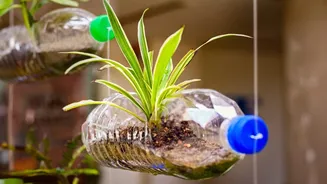
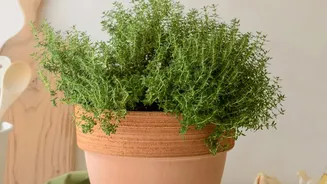
Starting your own windowsill herb garden is surprisingly simple and affordable. You don't need a large balcony or expensive equipment. All that's required is a sunny spot, a few basic supplies, and a little enthusiasm. Most herbs thrive with at least four to six hours of daily sunlight, making a south or west-facing window ideal. For containers, you can use anything from traditional terracotta pots, which are great for drainage, to recycled plastic bottles or mason jars. Ensure any container you use has drainage holes at the bottom to prevent waterlogging and root rot. Finally, you'll need a good quality potting mix, which is lighter than garden soil and provides better aeration for roots. A mix enriched with compost will give your herbs the nutrients they need to flourish.
Essential Herbs for the Indian Kitchen
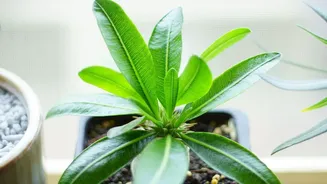
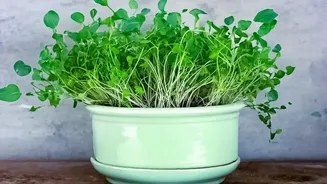
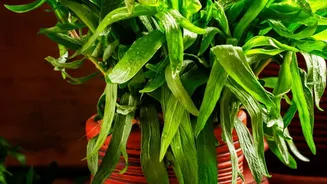
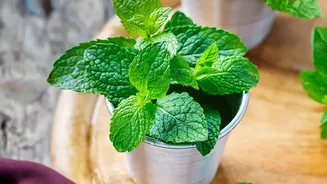
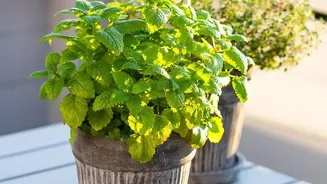
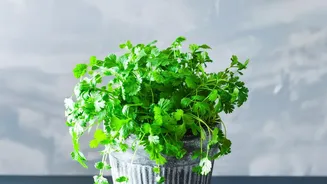
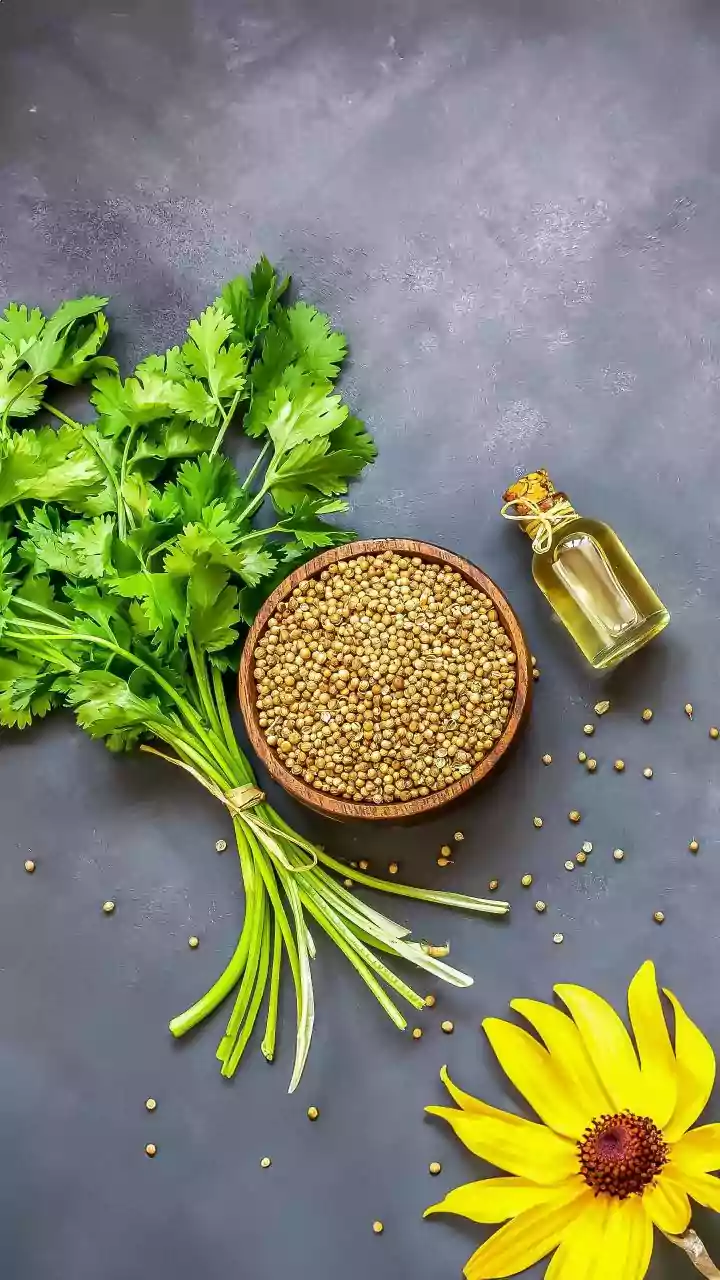
Choosing the right herbs is key to a successful and useful kitchen garden. Start with staples of Indian cuisine that are known to grow well in pots. 'Tulsi' (Holy Basil): A fixture in many Indian homes for both culinary and medicinal purposes, Tulsi is relatively easy to grow. It requires moist soil and a spot that gets plenty of warmth and sunlight. 'Pudina' (Mint): Known for its aggressive, weed-like growth, mint is perfect for beginners. Keep it in its own pot to prevent it from taking over other plants. It thrives in partial sun and consistently moist soil. 'Dhania' (Coriander): An indispensable garnish, coriander can be grown from seeds found in your own kitchen. It prefers cooler weather and regular watering to prevent it from bolting (flowering prematurely). Curry Leaves ('Kadi Patta'): This fragrant herb is a must-have for tempering South Indian dishes. A curry leaf sapling will grow well in a pot with abundant sunlight and daily watering. Lemongrass: Perfect for flavouring teas and soups, lemongrass can be grown from a stalk with a firm base. Place it in water until roots sprout, then plant it in a pot.
Caring for Your Indoor Garden
Once your garden is set up, a little regular care will ensure it thrives. The most common mistake is improper watering. Check the soil daily by touching the surface; if the top inch feels dry, it's time to water. Water thoroughly until it runs out of the drainage holes, but don't let the pots sit in a saucer of water. To encourage bushier growth and a continuous supply of leaves, pinch off the top sets of leaves and any flowering tops as they appear. This is especially important for herbs like basil and mint. Every few weeks, you can feed your plants with a mild organic fertiliser, like compost tea or a small amount of vermicompost mixed into the soil, to replenish nutrients.