




A Classic Culinary Partnership
At first glance, cumin and tamarind might seem like an odd couple. Cumin, a staple spice in kitchens from Mexico to Morocco and across Asia, is beloved for its distinctly earthy, warm, and slightly nutty profile. It grounds a dish, giving it a savoury
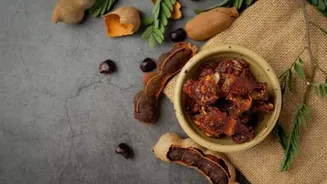
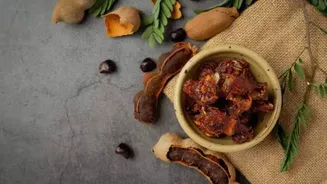
depth and a comforting aroma. Tamarind, on the other hand, is a tropical fruit whose pulp offers a powerful sweet-and-sour kick. Its flavour is bright, zesty, and complex, often described as being similar to a combination of lemon, dates, and apricots. Yet, it is precisely these contrasting personalities that make them such a formidable pair. In the culinary arts, balance is everything. The deep, low notes of cumin are perfectly complemented and lifted by the high, tangy notes of tamarind, creating a rounded, moreish flavour profile that keeps you coming back for another spoonful.
The Magic in Broths and Gravies
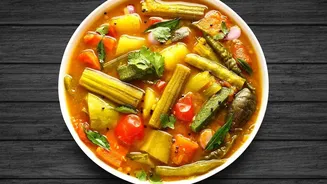
Vegetable-based broths and gravies can sometimes lack the body and complexity found in their meat-based counterparts. This is where the cumin-tamarind pairing truly shines. The warmth of cumin adds a foundational layer of flavour that mimics the richness you might otherwise miss. It provides an aromatic depth that makes a simple vegetable or lentil soup feel substantial and deeply satisfying. But without a counterpoint, that earthiness could become flat. Tamarind steps in to provide a zesty, acidic lift. Its sour notes cut through the starchiness of potatoes, lentils, and other root vegetables, preventing the broth from feeling heavy or one-dimensional. This combination awakens the palate and brightens the natural sweetness of the vegetables themselves, resulting in a dish that is simultaneously hearty and refreshing.
Case Study: The Soul of Rasam
Perhaps the most perfect illustration of this pairing is the South Indian classic, rasam. This thin, soupy broth is a staple, revered for its digestive properties and its invigorating taste. At its core, rasam is a beautiful interplay between tamarind water, which forms its signature sour base, and a blend of spices. Cumin is a non-negotiable part of this spice blend. Often dry-roasted with black pepper and coriander seeds before being ground, cumin provides the essential earthy backbone that supports the entire dish. The final tempering, or 'tadka', where whole cumin seeds are sizzled in hot ghee or oil, releases a final burst of aroma that ties everything together. Without cumin, the tamarind would be too sharp; without tamarind, the cumin would be too muted. Together, they create the soul-soothing magic that is rasam.
Beyond Broth: Gujarati Dal and Vegetable Curries
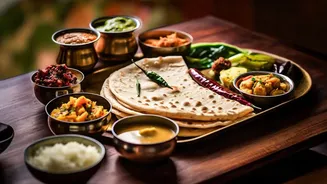
The principle extends beautifully to thicker gravies and dals. Consider the famous Gujarati Dal, a lentil dish known for its unique 'khatti meethi' (sour and sweet) flavour profile. In this dish, jaggery provides the sweetness, while tamarind delivers the essential sour note that keeps it from being cloying. The tempering of whole spices, including a generous amount of cumin seeds, infuses the dal with a warm, aromatic complexity that balances the sweet and sour elements. This same logic applies to countless vegetable curries. In a chana masala (chickpea curry) or a mixed vegetable kootu, tamarind adds a pleasant tang while ground cumin, often paired with coriander, builds a robust and savoury gravy base. It’s a reliable technique for adding instant character to any sauce.
Tips for the Home Cook
Incorporating this duo into your own cooking is simple. When using tamarind, it's best to start with a small amount, as its potency can vary. You can use tamarind paste, concentrate, or soak dried tamarind pulp in hot water and strain it. Taste as you go and add more if needed. For cumin, using both whole seeds and ground powder yields the best results. Toast whole cumin seeds in a dry pan until fragrant before using them in a tempering to unlock their maximum aromatic potential. Use ground cumin within the gravy itself to build a deep, foundational flavour. Don't be afraid to experiment. This pairing is a gateway to elevating your vegetable dishes from simple weeknight fare to something truly special.