




Not Just a Movie, An Event
For generations, the unwritten rule of the cinema was silence and stillness. Today, that etiquette is being rewritten by its most active attendees: Gen Z. According to a 2026 Fandango study, 87% of Gen Z saw at least one movie in theaters over the past
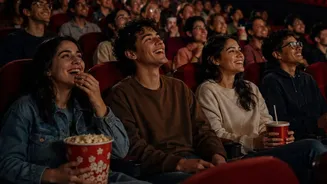
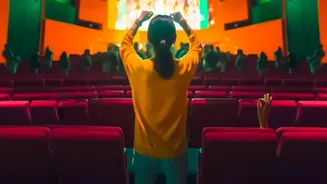
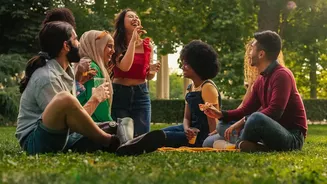
year, making them the most frequent moviegoing generation. But they aren't just buying tickets; they are transforming the outing itself. For them, a trip to the cinema is a social event, often combined with other activities like a meal with friends. The film is the main attraction, but the primary motivation is the shared experience. Fandango's data reveals that while older generations like millennials often see cinema as a personal escape, Gen Z views it as a social activity. It’s a planned, communal outing in a world saturated with individualized, on-demand entertainment.
The Social Media Connection
This trend is inextricably linked to online culture. Platforms like TikTok and Instagram are not just for reacting to movies anymore; they are for preparing for them. The entire cinematic experience becomes participatory. You see the film, post about it, review it on Letterboxd, share clips, and debate the ending. The fear of missing out on the online discourse—and encountering spoilers—is a significant driver for seeing films on opening weekend. This online pre-game builds hype and coordinates real-world action, turning a movie release into a must-attend cultural moment where participation is key. It's less about passively watching a story and more about actively inserting oneself into the narrative surrounding it.
From 'Gentleminions' to 'Barbenheimer'
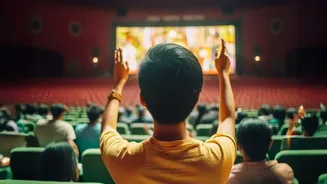
Two recent phenomena perfectly illustrate this shift. The "Gentleminions" trend saw groups of young men attending screenings of Minions: The Rise of Gru in formal suits, an ironic gesture that exploded on TikTok. While some theaters were unprepared for the participatory chaos, it was a precursor to something bigger. Then came "Barbenheimer," the simultaneous release of the brightly feminist Barbie and the somber historical thriller Oppenheimer. The internet-born phenomenon encouraged audiences to see both as a double feature, complete with distinct costumes for each. Theaters were filled with moviegoers in pink attire and dark, formal wear, creating a visual spectacle that mirrored the online buzz. It proved that audiences, particularly young ones, are eager to engage with films in a new, interactive way, transforming moviegoing into a participatory event.
A Hunger for Communal Experience
This evolution isn't just about fun and memes; it's a response to a deeper need. After years where social interactions were limited, there is a palpable hunger for tangible, shared experiences. For a generation often labeled as the "loneliest," the cinema provides a rare opportunity for in-person connection away from the small screens that dominate their lives. It’s a dedicated space to put phones away and share laughs, gasps, and even tears with a room full of people. This collective emotion is something streaming at home cannot replicate. The shared experience makes the laughs funnier and the scares more intense, creating a powerful sense of community, even if it's just for a few hours in the dark.
The Future of Fandom is Together
The generation once accused of killing the movie theater may, in fact, be its savior. By treating cinema as a social destination, they are breathing new life and revenue into the industry, spending more on tickets, premium formats, and concessions than any other group. This trend is not about a lack of respect for the art form but a redefinition of what it means to be a fan. It’s active, loud, collaborative, and deeply social. The film is no longer just on the screen; it’s in the coordinated outfits, the pre-show excitement, and the post-credit discussions that spill out into the lobby and onto social media feeds. This is the new ritual of moviegoing, and it happens together.