


Faster Commutes with 'Fast Trains'
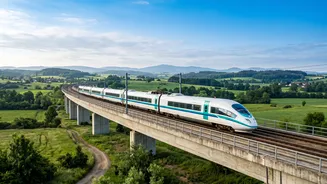
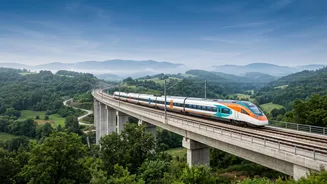
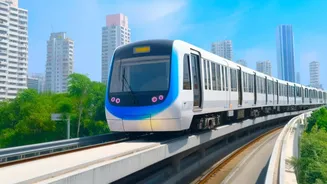
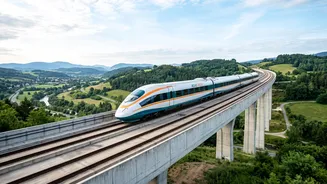
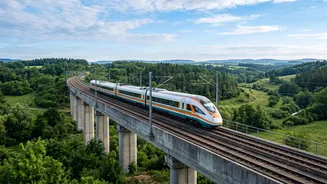
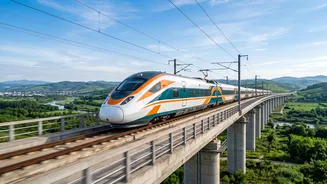
The National Capital Region Transport Corporation (NCRTC) has introduced eight new 'fast train' services on the Delhi-Meerut Namo Bharat corridor. These are not just extra trips; they are limited-stop services designed specifically to cut down travel
time during the busiest parts of the day. This initiative caters directly to the needs of office-goers, students, and other regular passengers who brave the rush every morning and evening. The new services began on November 16, 2026, and will operate in addition to the regular train schedule, which continues to run at a frequency of every 10 minutes. This means commuters now have a choice: a regular train that stops everywhere or a fast train that gets them to major hubs more quickly.
The New Peak-Hour Timetable
So, when can you catch these faster trains? The eight additional services are split evenly between the morning and evening peaks. In the morning, two fast trains depart from each end of the corridor — Sarai Kale Khan in Delhi and Modipuram in Meerut — at 8:00 AM and 8:30 AM. The pattern repeats in the evening, with two fast trains leaving from both terminal stations at 6:00 PM and 6:30 PM. These trains make halts at only five key stations: Sarai Kale Khan, Anand Vihar, Ghaziabad, Begumpul, and Modipuram. This limited-stop strategy is the key to the time savings. Passengers have been advised to check display boards and listen to platform announcements to distinguish between the fast and regular services.
How Much Time Will You Save?
The time savings are significant. With these new services, the journey between Anand Vihar and Ghaziabad is reduced to just eight minutes. A trip from Anand Vihar to Begumpul will take about 36 minutes, while the stretch from Ghaziabad to Begumpul can be covered in 28 minutes. For those travelling the entire length of the corridor, the end-to-end journey from Sarai Kale Khan to Modipuram will now take less than 50 minutes, a noticeable improvement over the nearly 60 minutes on a regular service. This enhancement makes the Namo Bharat service an even more competitive option compared to travelling by road, especially during rush hour.
Responding to Booming Ridership
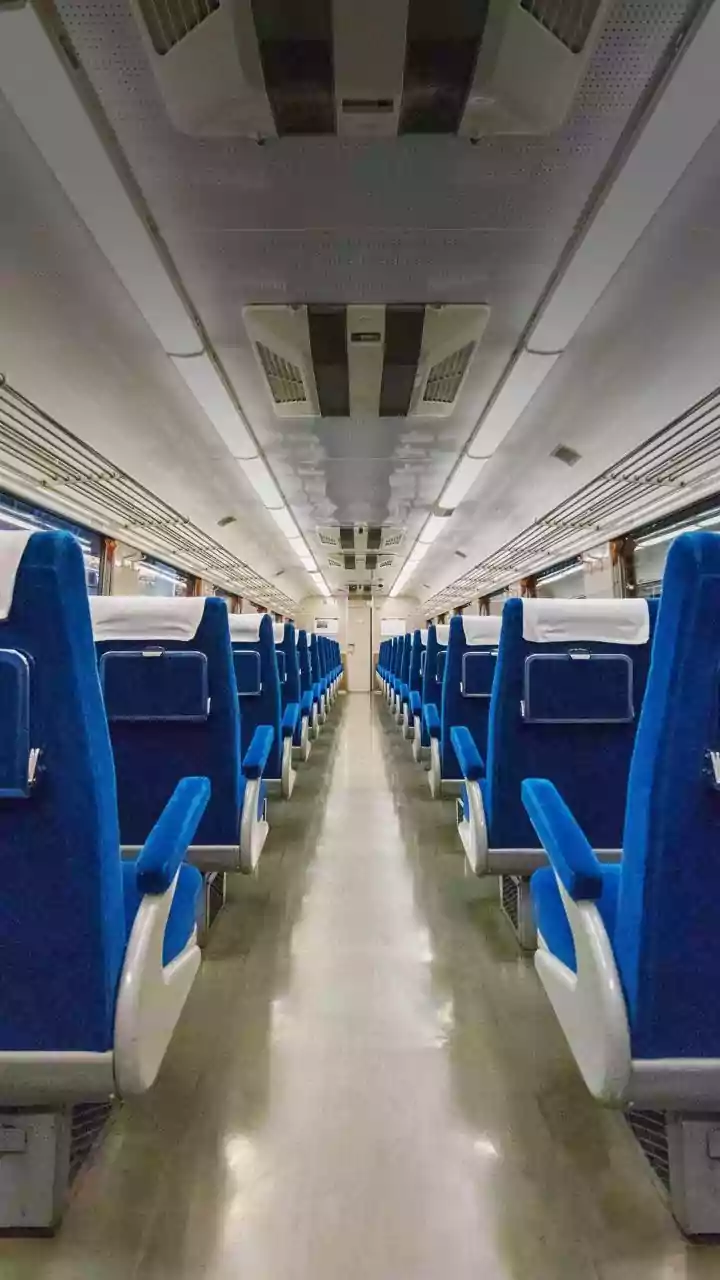
The decision to add these services is a direct response to soaring passenger numbers. The Delhi-Meerut corridor, which became fully operational in February 2026, has seen rapid growth in ridership. According to NCRTC, the corridor recently crossed the five-crore (50 million) passenger journey milestone. The latest one crore journeys were recorded in a record 93 days, highlighting the accelerating adoption of the service. With average daily ridership hovering around 1.1 lakh and monthly journeys consistently exceeding 3.2 million, the need for increased capacity and faster options during peak times became clear. These new trains aim to alleviate crowding and enhance the overall commuter experience.
The Bigger Picture for NCR Connectivity
This service upgrade is more than just a new timetable; it is a strategic move to strengthen the public transport network across the National Capital Region. By offering a faster and more reliable alternative to private vehicles, NCRTC aims to encourage a shift towards sustainable transport. This is particularly crucial amid concerns over road congestion and air pollution in the region. The integration of Namo Bharat stations with Delhi Metro, Indian Railways, and inter-state bus terminals further amplifies its utility. As the first operational RRTS corridor in India, the success and continuous improvement of the Delhi-Meerut line set a promising precedent for future regional connectivity projects.