


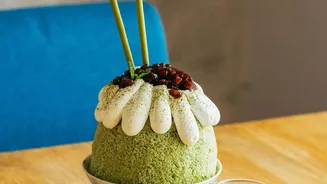

The Japanese Delight: Mochi
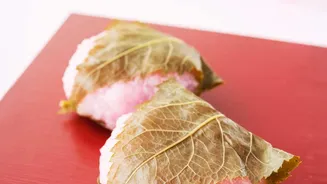
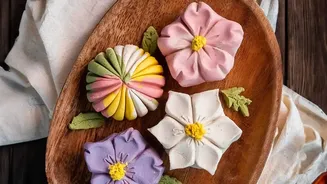
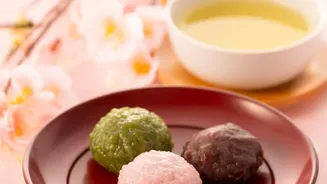
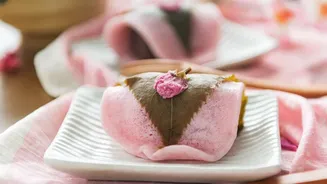
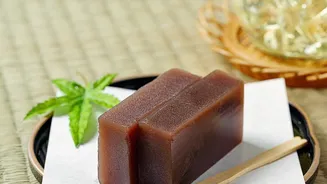
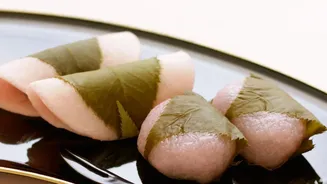
One of the contenders in this cultural face-off is the Japanese mochi. This iconic sweet, or 'wagashi', has a history stretching back centuries, possibly to Japan's Yayoi period. Mochi is deeply woven into Japanese culture, traditionally appearing during
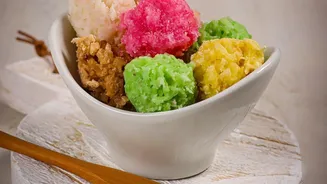
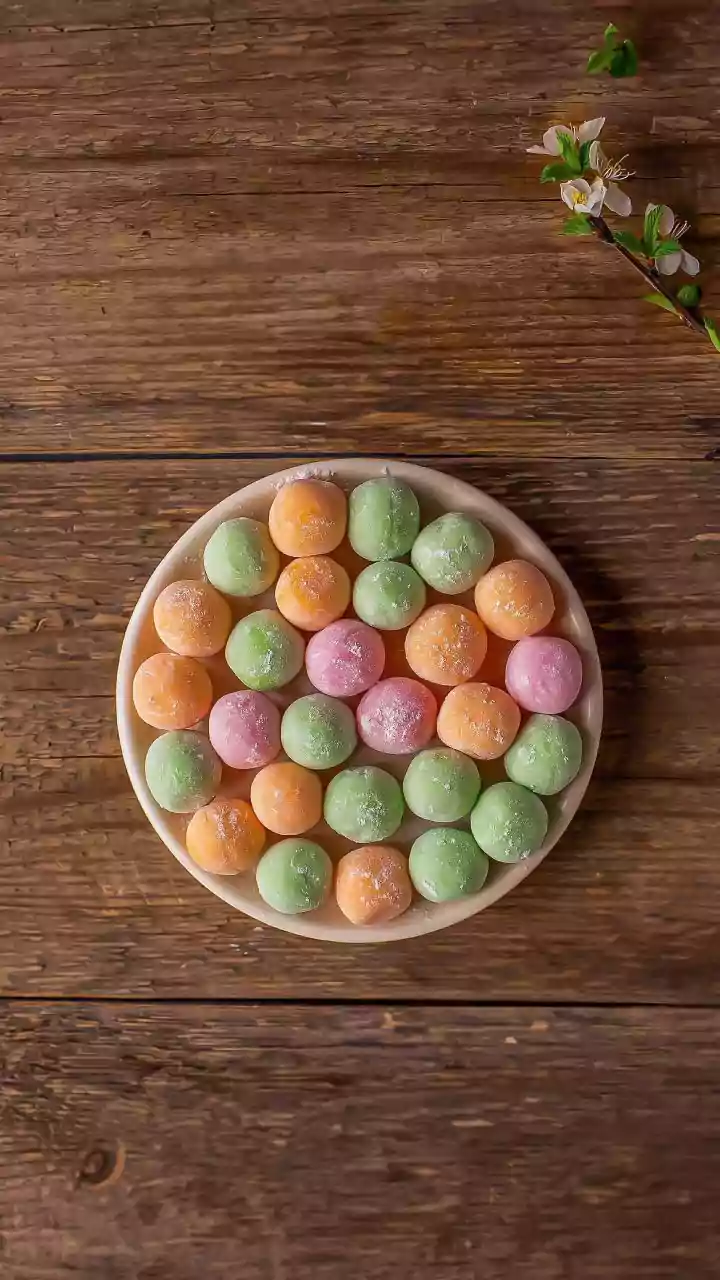
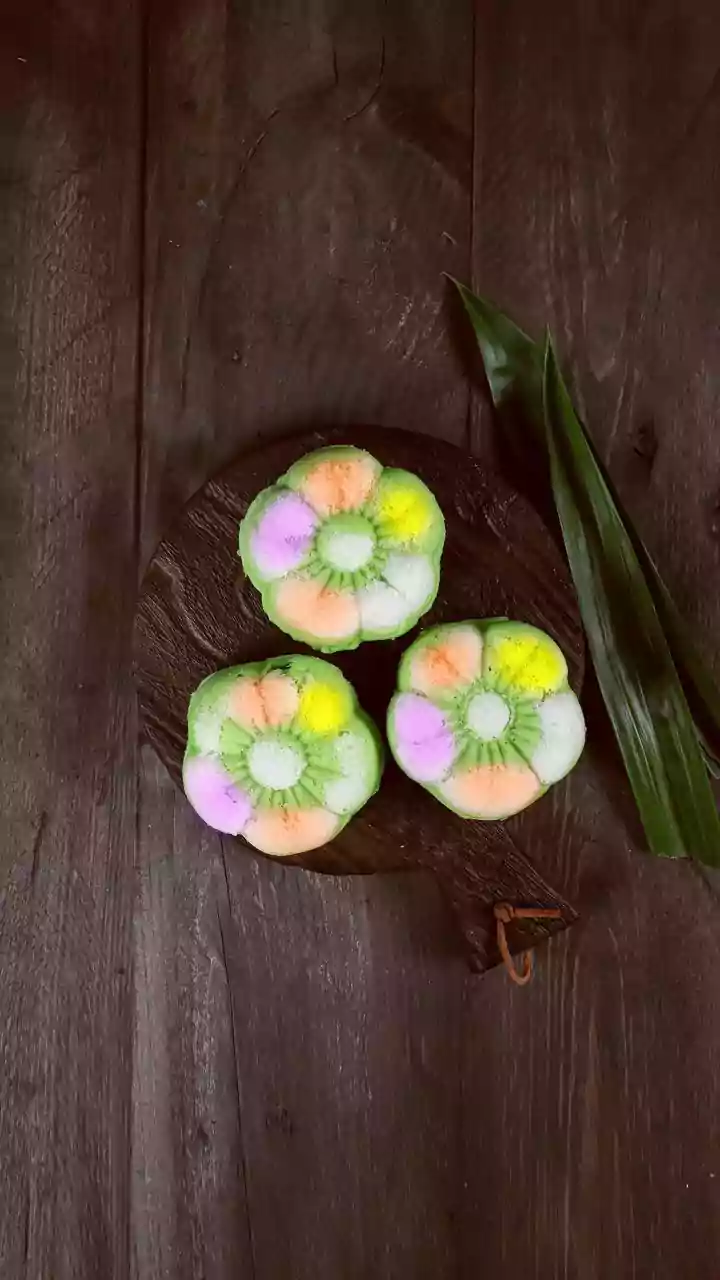
New Year celebrations and other festivals. At its core, mochi is made from mochigome, a type of glutinous short-grain rice. The traditional preparation, known as 'mochitsuki', is a ceremonial event where steamed rice is pounded with large wooden mallets in a mortar until it becomes a sticky, elastic paste. This dough can then be molded into various forms. While it can be eaten in savory dishes, the mochi most people recognize is the sweet version, often a round cake filled with a sweet paste like 'anko' (red bean paste) to create what is known as 'daifuku'. The texture is its defining characteristic: soft, chewy, springy, and sticky. Its flavour is subtly sweet and rice-forward, acting as a canvas for the fillings inside.
The Indian Classic: Rasgulla
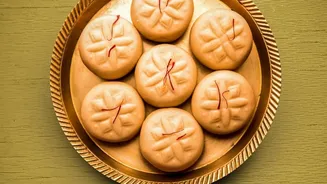
The other sweet in the picture is the beloved Indian dessert, rasgulla. Hailing from the eastern part of India, its origins are a point of proud contention between the states of West Bengal and Odisha. Odisha's claim traces the sweet, once called 'khira mohana', back to the 12th century as a temple offering to the goddess Lakshmi. West Bengal's narrative credits confectioner Nobin Chandra Das with inventing the modern, spongy version in Kolkata around 1868. Regardless of its precise birthplace, rasgulla is a cultural cornerstone, essential during festivals like Durga Puja and Ratha Yatra. Unlike mochi, rasgulla’s primary ingredient is not rice, but 'chhena'—a fresh, unripened cottage cheese made by curdling milk. This chhena is kneaded, rolled into balls, and then boiled in a light sugar syrup until the syrup permeates the dumplings, making them soft and spongy. The end result is a delicate, juicy sweet that melts in your mouth, with a milky taste and a signature spongy texture that soaks up the sweet syrup.
An Apples-and-Oranges Comparison
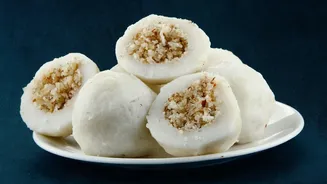
So, why the confusion? It comes down to their shape. Both daifuku mochi and rasgulla are often presented as soft, white or off-white spheres, which can look strikingly similar in a photograph. However, the evidence shows that beyond this superficial resemblance, they are fundamentally different creations. Their core ingredients—glutinous rice for mochi and milk-based cheese for rasgulla—set them on completely different culinary paths. This divergence leads to their distinct textures. Mochi is defined by its chewy, sticky, and elastic quality, a texture so prized in Asian cuisine it has its own term: 'Q'. Rasgulla, on the other hand, is prized for being soft, spongy, and porous, designed to absorb the maximum amount of syrup. One is a satisfying chew; the other is a burst of syrupy moisture.
A Celebration of Unique Traditions
The online debate highlights how easily visual similarities can mask deep cultural differences. Mochi is a product of Japan's ancient rice cultivation worship, where rice is considered a sacred gift that strengthens life. The pounding of rice is a ritual in itself, a symbol of community and celebration. Rasgulla’s history is tied to the subcontinent's dairy traditions and the art of milk solids transformation, a culinary science that has produced a vast array of Indian sweets. Its story even includes a formal Geographical Indication (GI) dispute, with 'Banglar Rosogolla' (West Bengal's version) and 'Odisha Rasagola' both receiving protected status, cementing their roles as unique cultural assets. Comparing the two based on shape alone is like comparing a loaf of bread to a wheel of cheese because they are both round. Each sweet tells a story about its homeland's agriculture, history, and palate.