





Finding a group fitness class that keeps you coming back is key. Zumba and Barre both promise a great workout with social motivation, but their approaches are worlds apart. One is a dance party, the other a focused, muscle-sculpting burn.
The Atmosphere: High-Energy Party vs. Focused Studio
The social energy
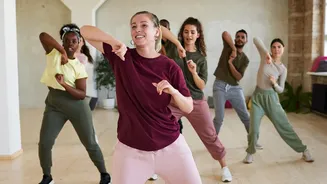
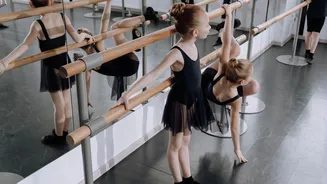
in a Zumba class feels like a party. The music is loud, featuring infectious Latin and international rhythms, and the instructor leads with an infectious, high-energy vibe. The focus is on moving, sweating, and having fun, with less emphasis on perfect form. It's a space designed to help you let loose and forget you're even exercising. In contrast, a Barre class offers a more controlled and focused environment. While set to music, the atmosphere is closer to that of a Pilates or yoga studio. The social motivation comes from a shared sense of purpose and collective effort as everyone works through challenging, precise movements together. The vibe is one of poised concentration rather than free-flowing dance.
The Workout: What Your Body Actually Does
Zumba is a full-body cardiovascular workout built around dance. Classes feature choreographed routines that blend fast and slow rhythms in an interval training style. You'll be doing everything from salsa steps and merengue hip sways to squats and lunges, all woven into easy-to-follow dance combinations. The primary goal is to keep your heart rate up and your body moving. Barre, on the other hand, is a low-impact, high-intensity strength workout inspired by ballet, yoga, and Pilates. It uses a stationary barre for balance while you perform small, controlled isometric movements, like tiny leg lifts and pulses. These movements are designed to fatigue specific muscle groups to the point of shaking, building strength and endurance without putting stress on your joints.
The Results: Cardio Endurance vs. Muscular Strength
If your main goal is to improve cardiovascular health and burn calories, Zumba is an excellent choice. A typical class can burn between 300 and 600 calories, depending on intensity, making it an effective tool for weight management. It's also great for improving coordination and overall endurance. Barre excels at building muscular strength, stability, and flexibility. The high-repetition, low-weight (or bodyweight) exercises are fantastic for toning muscles in the core, glutes, and thighs without adding bulk. Many people see significant improvements in their posture and body awareness, thanks to the constant focus on core engagement and proper alignment.
The Community: Who Motivates You and How
Both classes foster a sense of community, but the dynamic is different. In Zumba, the instructor is the life of the party, leading the group with energy and encouragement. The community aspect is boisterous and social, built on the shared joy of dance. In Barre, the instructor acts more like a personal coach within a group setting, offering specific corrections on form and posture to help you get the most out of every movement. The sense of community is often quieter and more focused, built on mutual encouragement and the shared challenge of pushing through the burn. The social bonds in both types of classes are a powerful tool for accountability and keeping you committed to your fitness routine.
Which One Is Right For You?
Choosing between Zumba and Barre ultimately comes down to your personality and fitness goals. If you love to dance, want a high-energy cardio session, and enjoy a party-like atmosphere where you can let loose, Zumba is likely your perfect match. If you prefer a low-impact workout that focuses on building lean muscle, improving posture, and developing a strong mind-body connection through precise, controlled movements, you will likely thrive in a Barre class. If you're looking for a workout that feels fun and freeing, join the Zumba party. If you find satisfaction in discipline, precision, and a deep muscle burn, head to the barre.