





As climate change fuels more frequent and intense disasters, a surprising economic sector is booming. A new report from Oxfam places this 'disaster economy' in the spotlight, questioning the ethics of profiting from catastrophe.
A 'Destroy and Rebuild' Economy
A recent report from Oxfam,
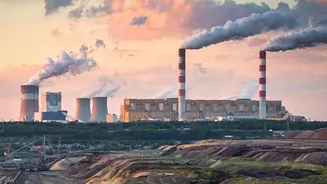
titled 'Disaster Divide', introduces a provocative idea: the super-rich are benefiting from climate change at both ends. They profit first from investments in high-polluting industries that accelerate climate change, and second, from the booming business of disaster response and reconstruction. The report identifies 217 corporations in what it calls the 'Destroy & Rebuild Index'. These are companies involved not only in fossil fuels but also in services sold after a disaster strikes, such as private firefighting, flood barriers, insurance, and reconstruction. Oxfam's analysis points to a troubling cycle where the chaos of climate change becomes a lucrative business opportunity, deepening the gap between those who can afford protection and those who are left vulnerable.
What Are 'Disaster Businesses'?
The term 'disaster capitalism' describes how private industries can profit directly from large-scale crises. In the context of climate change, this refers to a growing market for goods and services that are essential in the face of emergencies. This includes companies that provide temporary shelters, water purification systems, private security for chaotic zones, and specialised equipment for firefighting or flood defence. The global disaster recovery market is already valued in the tens of billions of dollars and is projected to grow significantly, with some estimates suggesting it could reach over USD 90 billion by 2029. This growth is driven by the undeniable increase in climate-related events, creating a consistent and expanding demand for emergency solutions.
The Ethical Dilemma: Service vs. Profiteering
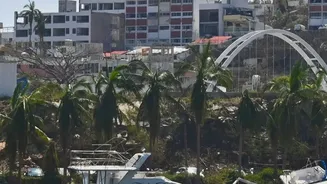
Oxfam's central criticism is that this model creates perverse incentives. The report argues that when disaster becomes a profitable market, there is less financial motivation for corporations and their investors to push for systemic solutions like drastically cutting emissions. Critics point out that this can lead to a two-tiered system of recovery: those who can pay for premium, private services (like private firefighters or robust insurance) are protected, while poorer communities rely on overstretched public resources. For example, when extreme weather hits crops and food prices spike, large trading corporations and their investors can benefit, while small farmers and consumers bear the cost. This raises the question of whether essential life-saving services should be driven by a profit motive that can exacerbate inequality.
The Other Side of the Coin
The argument is not entirely one sided. Proponents of a private sector role in disaster response argue that these companies offer efficiency, technology, and rapid deployment capabilities that governments often lack. In the critical hours after a catastrophe, logistics, advanced equipment, and skilled personnel are paramount. Private firms can often move faster than public agencies, delivering essential aid and beginning the reconstruction process more quickly. From this perspective, these businesses are providing a necessary, life saving service in a world where the scale of disasters is overwhelming public systems. The debate, therefore, is not about whether these services are needed, but about the model under which they are provided and who ultimately pays the price.
Relevance for a Climate Vulnerable India
For India, these questions are particularly urgent. A vast majority of India's districts are vulnerable to extreme weather events like floods, droughts, and cyclones. The country has seen a marked increase in deaths from extreme heat and displacement due to climate disasters. As these events become more common, the demand for disaster management services—from early warning systems to post disaster reconstruction—will inevitably rise. The 'disaster economy' highlighted by Oxfam is not a distant concept; it represents a potential future where crucial recovery efforts could become increasingly privatised. This poses a significant challenge for a nation striving to ensure equitable protection for its 1.4 billion people, many of whom live in highly vulnerable rural and coastal communities.