






A Flock of Feathered Diplomats
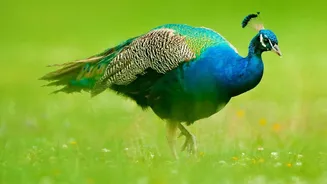
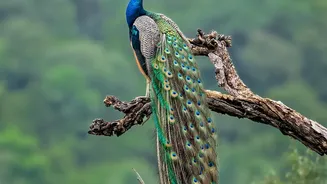
India's Permanent Mission to the United Nations in Geneva formally presented five young peafowl to the UN's European headquarters in early August 2026. The flock consists of four vibrant blue peacocks and one rare white male, whose colours intentionally
echo the blue and white of the United Nations flag. The handover ceremony was led by India's Permanent Representative, Ambassador Arindam Bagchi, who presented the birds to UN Geneva's Director-General, Tatiana Valovaya. This act of "peacock diplomacy" is a powerful use of soft power, leveraging India's national bird—a symbol of beauty and grace—to strengthen its relationship with the global institution and underscore its commitment to multilateralism.
Reviving a Historic Tradition
This gift is not without precedent. It renews a tradition initiated in 1981 when then-Prime Minister Indira Gandhi sent a breeding pair of peafowl from Delhi Zoo to Geneva. That gesture established a living link between India and the UN's European home. The new arrivals continue this legacy, reinforcing a connection that has lasted over four decades. However, the history of peacocks at the Palais des Nations is even older. The tradition dates back to the 19th century, when the original owner of the estate, Gustave Revilliod, bequeathed the land to the city with the condition that peafowl should always be allowed to roam freely on its grounds.
New Life in Ariana Park
The grounds of the Palais des Nations, known as Ariana Park, have long been famous for their resident peacocks. Over the years, their numbers had unfortunately dwindled down to a single bird, making India's gift a timely and welcome replenishment of the park's avian population. The five newcomers will spend an initial period of about three months in a specially prepared aviary to acclimate to their new environment. Afterwards, they will be released to wander freely across the 46-hectare estate, joining the park's existing lone peacock and restoring a cherished feature of the historic landscape. The birds' care and transport were handled by Geneva Bioparc, which used a modified veterinary ambulance for the task.
A Symbol of Indian Heritage
The Indian peafowl, or Pavo cristatus, was designated India's national bird in 1963 and is deeply woven into the country's cultural and religious tapestry. Found across the subcontinent, it is a protected species under Indian wildlife law and a powerful representation of the nation's rich biodiversity. In gifting these birds, India is sharing a piece of its natural heritage. The Indian mission stated the peacock represents "grace, beauty and resilience" and symbolises the country's commitment to environmental stewardship and international cooperation. The gesture has been warmly received, with UN officials planning a public competition to name the five new feathered residents.