



An Engine for Economic Growth
The most immediate and significant gain from tourism is economic. Visitor spending on accommodation, food, and activities directly injects new revenue into the local economy. This creates a ripple effect. A new homestay doesn't just employ its owners;
it buys produce from local farmers, linens from local shops, and services from local maintenance workers. This creates a wide range of jobs, from tour guides and hotel staff to construction workers and artisans. Importantly, many of these jobs are accessible to individuals with limited formal training, providing crucial opportunities for women, youth, and other marginalized groups who might otherwise have few options for stable income. This economic boost helps to diversify local economies, many of which may have previously relied on diminishing returns from agriculture or other traditional sectors.
A Catalyst for Better Infrastructure
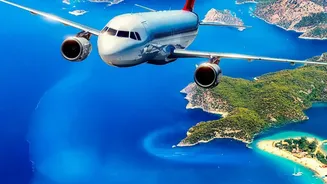
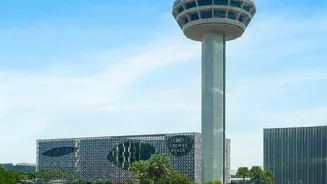
The needs of tourists often accelerate infrastructure development that benefits the entire community long-term. To attract and accommodate visitors, regions need reliable roads, airports, and public transport. Similarly, demand for comfortable hotels and restaurants necessitates dependable electricity, clean water, and better internet connectivity. These investments, often a mix of public and private funding, dramatically improve the quality of life for residents. A new road built to bring tourists to a waterfall also allows farmers to get their goods to market more easily and gives children a safer route to school. Improved telecommunications can connect a once-isolated village to the digital world, unlocking new opportunities in education and commerce.
Preserving Culture and Heritage
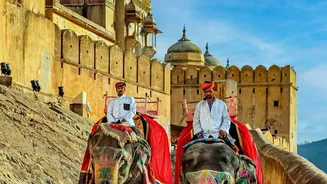
While there's a risk of commercialization, tourism can also provide a powerful incentive for cultural preservation. When travellers show interest in traditional music, dance, crafts, and historical sites, it creates a direct economic reason to protect and celebrate them. Revenue from tourism can fund the restoration of heritage buildings, support local artisans, and finance cultural festivals. This helps keep traditions alive, passing them down through generations and fostering a sense of community pride. In many cases, it transforms cultural heritage from a relic of the past into a living, breathing, and economically viable part of the community's present and future. For example, ancient art forms like shadow puppetry in China have seen a revival due to tourist interest.
Developing Skills and Empowering People
The tourism industry is a powerful training ground. As it grows, it demands a host of new skills, from hospitality and culinary arts to language proficiency and digital marketing. This encourages investment in local education and vocational training programs. A hotel project in Damascus, for instance, allocated millions to train local nationals who would be employed there. The sector is particularly effective at creating employment for young people and women, giving them economic independence and a stronger voice in community affairs. This development of 'human capital' is one of the most sustainable benefits, as a skilled and confident workforce can adapt to new challenges and drive future growth long after the initial tourism boom.
The Path to Sustainable Gains
These benefits are not automatic. Unmanaged, mass tourism can lead to environmental degradation, strain on public services, and cultural dilution. The key is sustainable and responsible development. This involves careful planning by local authorities, strong community involvement, and a focus on quality over quantity. By promoting eco-friendly practices, ensuring that economic benefits are distributed equitably, and protecting the very natural and cultural assets that attract visitors in the first place, communities can build a resilient and lasting tourism economy. Initiatives like community-based tourism, where locals have direct ownership and management of tourism enterprises, are crucial for ensuring the gains are both meaningful and enduring.