






Why Your Gut Is So Sensitive
After nearly nine days of a modified diet, your digestive system is in a delicate state. During a fast, your body reduces the production of digestive enzymes. When you suddenly reintroduce heavy, complex foods, your system can get overwhelmed, struggling
to break them down efficiently. This can lead to common complaints like bloating, gas, acidity, and a general feeling of heaviness. Think of it as asking your body to sprint a marathon without a warm-up; it needs time to adjust and get back to its usual pace.
The Trouble with Spicy Dishes
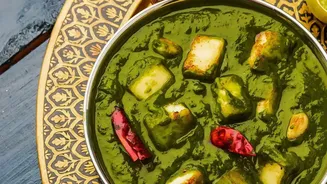
That fiery curry or spicy chaat you've been craving might be too much for your post-fasting stomach. Spicy foods, particularly those containing capsaicin from chillies, can irritate the sensitive lining of your gut. When your stomach has been resting, it has less of a protective buffer. Introducing aggressive spices can trigger heartburn, acid reflux, and stomach cramps as your digestive tract works overtime to handle the heat. It’s best to hold off on the extra spice for a few days to let your system readjust.
The Heavy Toll of Fried Foods
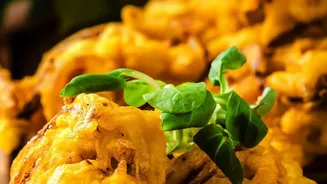
Similarly, fried foods like puris, pakoras, and samosas pose a significant challenge. These foods are high in fat, which slows down gastric emptying—the process of food moving from your stomach to your small intestine. This delay means food sits in your stomach for longer, which can lead to bloating, nausea, and indigestion. After a period of eating light, sattvic food, a sudden overload of fat forces your gallbladder and pancreas to work much harder than they are used to, often resulting in discomfort.
Gentle Foods to Ease Digestion
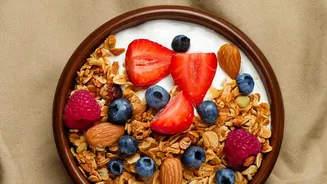
To break your fast without upsetting your stomach, the key is to be gentle. Start with foods that are easy to digest and hydrating. Probiotic-rich foods like plain yogurt (dahi) or buttermilk (chaas) are excellent choices as they help replenish healthy gut bacteria. Simple, well-cooked meals such as khichdi, dalia, or steamed vegetables are nourishing and easy on the system. Fruits with high water content like papaya or melon can also aid in hydration and provide natural sugars for energy. Soups and broths are another great way to rehydrate and provide nutrients without taxing your gut.
Smart Habits for a Smooth Transition
Beyond choosing the right foods, how you eat matters. Instead of one large, heavy meal, opt for smaller, more frequent portions throughout the day. This prevents your digestive system from being overloaded. Chew your food thoroughly to aid enzymatic digestion before it even reaches your stomach. It's also crucial to stay hydrated by drinking plenty of water, coconut water, or herbal teas between meals, not with them, to avoid diluting digestive juices. Give your body a few days to return to its normal rhythm before reintroducing the rich, spicy, and fried foods you love.