




The Unseen Threat from Above
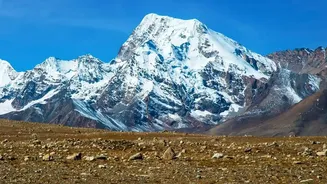
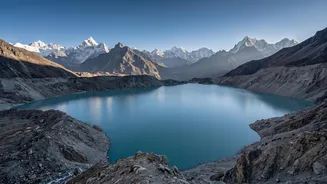
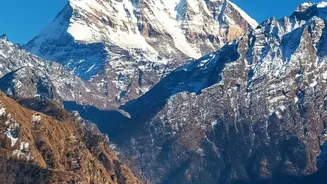
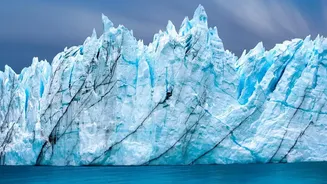
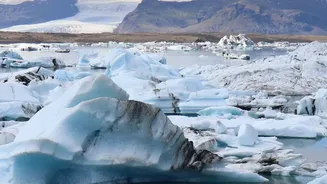
In the highest reaches of the Himalayas, climate change is a stark reality. Glaciers, which act as the region's water towers, are retreating faster than ever. This meltwater is forming and expanding vast glacial lakes, often held back by nothing more
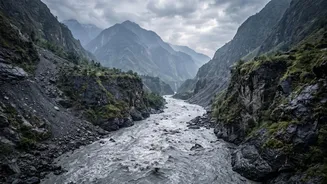
than unstable mounds of rock and debris known as moraines. The primary danger is a Glacial Lake Outburst Flood, or GLOF. These events happen when a moraine dam fails, releasing a devastating wall of water, mud, and boulders downriver with little to no warning. A single GLOF can destroy villages, wipe out critical infrastructure like bridges and hydropower plants, and cause immense loss of life. Recent disasters, such as the deadly flood along the Bhote Koshi river on August 26, 2026, highlight this terrifying reality, where a suspected glacier collapse unleashed a torrent that raised river levels by nearly 30 feet in 30 minutes.
A Patchwork of Protection
Currently, Nepal's ability to monitor these high-altitude threats is dangerously limited. While early warning systems exist for some major rivers, they often provide short lead times and are susceptible to failure. Many flood-prone rivers and smaller streams, particularly those originating from glaciers, have no warning provisions at all. The country has experienced at least 26 GLOF events since the 1970s, and 47 glacial lakes are now classified as potentially dangerous. Despite this, the response has been largely reactive and project-based, hampered by a lack of resources and technical expertise. The remote, rugged terrain makes installing and maintaining monitoring equipment a significant logistical challenge, compounded by a lack of stable power and internet connectivity in many areas.
The Call for Smarter Sensors
This is where better sensors become a matter of life and death. Modern early warning systems go far beyond traditional methods like watchtowers. They involve a network of automated, real-time sensors that can monitor multiple hazards. This includes radar water-level sensors in glacial lakes, gauges to track river discharge, and seismic monitors to detect landslides or ice avalanches that could trigger a flood. This data, transmitted wirelessly, can be fed into forecasting models to predict a flood's path and severity, providing crucial lead time for evacuation. Even a warning of a few hours, or in some cases minutes, can be the difference between a community escaping to safety and a large-scale tragedy. The goal is to create an integrated system where a hazard detected high in the mountains automatically triggers alerts for communities downstream.
A Regional Imperative
The challenge is not Nepal's alone. The Himalayas, often called the 'Third Pole', are a shared resource and a shared risk for the entire region, including India and China. Many of Nepal's most dangerous rivers and glacial lakes are transboundary, with hazards often originating in Tibet before surging into Nepal. The August 2026 flood was a tragic reminder that disasters do not respect borders, destroying infrastructure and lives in both countries. This underscores the urgent need for cross-border cooperation on data sharing and coordinated early warnings. Agreements to share meteorological information are a start, but experts argue this must extend to a 24-hour, multi-hazard mechanism covering everything from river blockages to glacier instability.
The Path Forward
Recognizing the urgency, new initiatives are underway. With support from international partners like the United Nations Development Programme and the Green Climate Fund, Nepal is working to enhance its disaster preparedness. A recent project, backed by $36 million in funding, aims to take a more proactive approach by lowering water levels in four high-risk lakes, implementing early warning systems, and strengthening local capacity to manage future threats. The project intends to benefit over 2.3 million people. However, the scale of the problem is immense. Success will depend on sustained investment, robust technology, and unprecedented levels of cooperation—both within Nepal and across its borders.