

The Aravallis Reimagined in Green
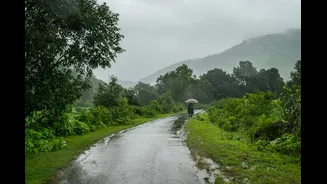
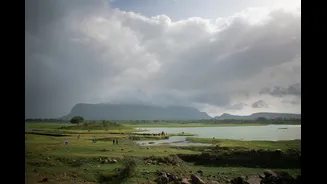
For nine months of the year, the hills surrounding Jaipur are dusty and dry, a rugged, sun-baked landscape. But from July to September, the monsoon works its magic. The ancient Aravalli range, older than the Himalayas, undergoes a dramatic transformation.
Dry deciduous trees burst into life, creating a lush, green canopy that challenges the stereotypical image of arid Rajasthan. This sudden, intense greenery, combined with cooler temperatures and the earthy smell of rain-soaked soil, creates a completely different atmosphere, making outdoor exploration pleasant and inviting. This transformation is a primary reason for the growing interest in the area's natural beauty, with locals and tourists alike seeking to experience a version of Jaipur that most visitors miss.
A Shift from Monuments to Monsoon Trails
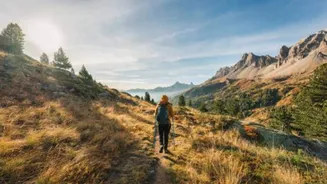
While Jaipur's forts and palaces remain iconic, there's a noticeable trend towards embracing its natural landscapes, especially during the rainy season. This shift is partly driven by a desire for offbeat experiences away from crowded tourist spots. The monsoon offers fewer crowds, providing a more serene setting for exploration. Social media has played a significant role, with stunning images of a green, misty Jaipur inspiring a new wave of local trekkers and adventure seekers. The city's trekking clubs have seen rising interest as fitness enthusiasts look for new routines beyond city parks. This has put a spotlight on trails that blend history, nature, and a touch of adventure.
Hathni Kund: Jaipur’s Popular Waterfall Trek
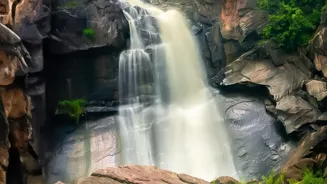
Among the most popular monsoon treks is Hathni Kund, often called the Water Valley trek. Located about 17 kilometers from the city, its main attraction is a waterfall that flows in its full glory only during the rainy season. The trek itself is a rewarding journey through the Aravalli vegetation. One of the main trails starts from Charan Mandir, an old temple near Nahargarh, and winds through the forest for about 1.5 to 4 kilometers. The route is immensely popular with local trekking groups and offers a refreshing escape, culminating in the beautiful sight of the waterfall and the adjacent Hathuneshwar Mahadev Temple.
Nahargarh Fort: Where History and Nature Converge
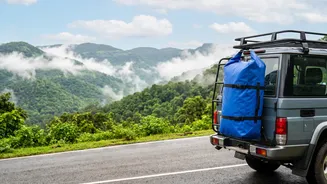
The trails around Nahargarh Fort offer a perfect mix of history and scenic beauty. Perched high above the city, the fort provides breathtaking panoramic views of a rain-washed Jaipur. During monsoon, the winding road and walking paths leading up to the fort are enveloped in mist, with clouds drifting through the ramparts. The most famous trekking path is a cobbled route that can be started from several points, including near the Garh Ganesh Temple. It's a moderately easy climb that rewards hikers with spectacular views, especially at sunrise or sunset. The combination of historic architecture and vibrant green landscapes makes it a quintessential monsoon experience.
Chulgiri Hills: A Spiritual Climb with Panoramic Views
For those seeking a more strenuous and spiritual journey, the Chulgiri trek is an excellent option. The trail leads to the Chulgiri Digambar Jain Temple, situated atop a hill on the Jaipur-Agra highway. Trekkers can choose between a steep path with approximately 1,000 stairs or a more gradual 4-kilometer winding road. Both routes offer stunning panoramic views of the surrounding landscape, including the Ghat Ki Guni tunnels. The reward at the summit is not just the serene temple complex, which houses a massive statue of Lord Mahavira, but also a profound sense of peace and an incredible bird's-eye view of the city and forests below.
Essential Safety for Monsoon Trekking
While the monsoon enhances the beauty of these trails, it also brings challenges. Safety should always be the top priority. The most critical piece of gear is a pair of sturdy, waterproof trekking shoes with excellent grip to handle slippery and muddy paths. It's also wise to wear quick-drying clothing and carry a light raincoat or poncho. Always check the weather forecast before heading out and avoid trekking right after heavy rainfall when trails can be unstable. Trekking in a group is recommended, especially on less-marked trails. Finally, carry essentials like a basic first-aid kit, sufficient water, and some energy-boosting snacks to stay hydrated and fueled.