



The Science of Blooming Flavour
The technique of heating spices in hot oil is called “blooming” or, in Indian cooking, “tempering” or “tadka”. This simple step is transformative because the most important flavour compounds in spices are fat-soluble, not water-soluble. When you add spices to
hot fat like oil or ghee, the heat helps rupture the spices' cell walls, releasing their aromatic essential oils. The hot fat then acts as a perfect vehicle, dissolving these flavour compounds and carrying them throughout the entire dish, ensuring every bite is infused with a deep, balanced aroma. Sprinkling spices into a watery sauce simply can't achieve this same level of flavour integration.
When Good Spices Go Bad
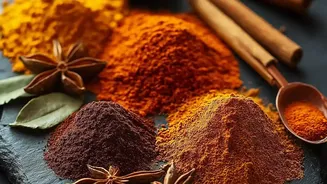
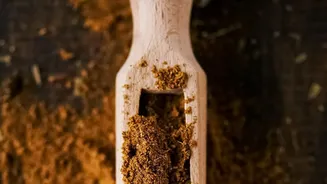
There’s a fine line between toasted and burnt, and ground spices cross it in a flash. Because they are finely milled, they have a massive surface area, which makes them incredibly susceptible to heat. If you toss delicate ground spices like turmeric, paprika, or cumin powder into a ripping hot pan, they will scorch almost instantly. This does more than just diminish their flavour; it creates a harsh, bitter, and acrid taste that can ruin an entire meal. The volatile oils that carry their beautiful aromas evaporate, leaving behind a dull, lifeless powder with an unpleasant aftertaste. Once a spice is burnt, there’s no going back.
The Golden Rule: Low and Slow for Powders
The solution is beautifully simple: control your heat. After you’ve sautéed your aromatics like onions and garlic, just take the pan off the burner for a moment. This brief pause allows the pan’s temperature to drop from searing hot to a gentle, flavour-releasing warmth. This is the perfect moment to add your delicate ground spices. Stir them constantly into the hot oil for just 15 to 30 seconds. You’ll know it’s working when your kitchen is immediately filled with a rich, fragrant aroma. The spices will “bloom” without the risk of scorching. You can then add your liquid ingredients, like tomatoes or coconut milk, which will stop the cooking process and lock in that perfectly developed flavour.
What About Whole Spices?
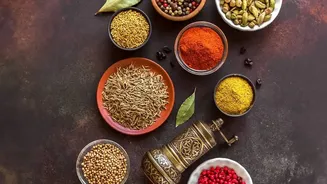
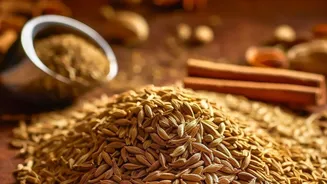
The rule changes for whole spices. Seeds like cumin, coriander, mustard, and fennel, or barks like cinnamon, are much more robust. Their flavour compounds are locked safely inside. These hardy spices can and should be added to hot oil earlier in the cooking process. They can handle the higher heat for a longer period, typically 30 to 90 seconds, which gives them time to sizzle, pop, and release their fragrant oils effectively. For instance, mustard seeds will begin to crackle and pop, signaling they are ready. This initial tempering of whole spices builds the foundational layer of flavour in many dishes.
A Step-by-Step Guide to Perfect Flavour
Ready to put it into practice? Here’s a simple sequence to follow for your next curry, dal, or stew. Start by heating your oil or ghee over medium heat. If using, add your whole spices and let them toast until they become fragrant and start to sizzle. Next, add your main aromatics like chopped onions, ginger, and garlic, and sauté until softened and golden. Now for the crucial step: turn the heat down to low or remove the pan from the heat entirely. Add your ground spices—turmeric, chili powder, ground coriander, and garam masala—and stir them into the oil for no more than 30 seconds. Finally, add your main liquid ingredients (like canned tomatoes, coconut milk, or water) to deglaze the pan and create your sauce. This sequence layers the flavours perfectly, from the robust whole spices to the delicate ground ones.