



What 'Abdominal Strength' Really Means
Before comparing workouts, it's important to understand that a strong core is more than just visible six-pack abs. Those are the superficial rectus abdominis muscles. True core strength involves a complex system of muscles, including the deep transverse
abdominis that acts like a corset, the obliques on your sides, and even muscles in your lower back and pelvic floor. Functional core strength is about stability, supporting your spine, improving posture, and transferring force efficiently during movement, which helps in daily activities and prevents injury.
The Pilates Mat Work Approach: Deep Stability
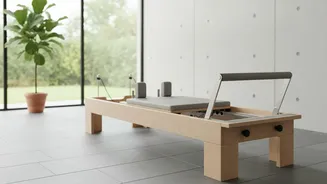
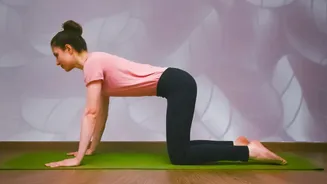
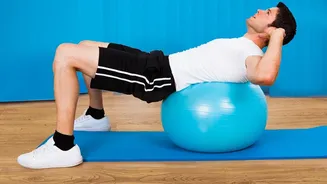
Pilates is a low-impact exercise method that emphasizes control, precision, and breath. When it comes to the core, Pilates is renowned for targeting the deep stabilizing muscles that traditional exercises like crunches often miss. The slow, deliberate movements teach you to engage your core from the inside out, creating a strong, stable foundation for all other movements. This focus on stability and proper spinal alignment is why Pilates is often recommended for improving posture and alleviating lower back pain. It builds strength through control and endurance rather than explosive power.
The Circuit Workout Method: Intensity and Definition
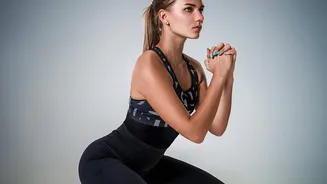
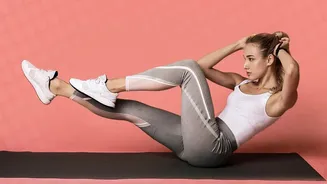
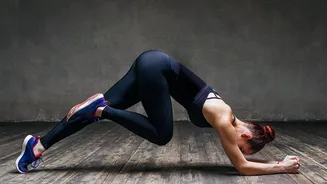
Circuit training involves performing a series of exercises back-to-back with minimal rest. An ab-focused circuit keeps your heart rate elevated, combining strength work with a cardiovascular challenge. This high-intensity approach is excellent for burning calories, which can help reduce body fat and make abdominal muscles more visible. While circuits can include isolation moves, they often incorporate compound exercises that engage the core as part of a larger movement, improving muscle endurance and overall fitness. The goal is often muscular fatigue and a high metabolic burn in a short amount of time.
Head-to-Head: The Key Differences
The main distinction lies in their primary focus. Pilates prioritizes stability and control, strengthening the deep core muscles that support your spine. Circuit training prioritizes intensity and metabolic conditioning, which is effective for fat loss and building muscular endurance in the more superficial ab muscles. Pilates is low-impact and methodical, making it suitable for beginners or those with joint issues. Circuit training is high-intensity and dynamic, offering a faster-paced, more demanding workout. While both can improve core strength, Pilates builds it from a foundation of stability, while circuits build it through powerful, repetitive movements and calorie burn.
So, Which Is Right for You?
The best workout is the one that aligns with your goals and that you'll stick with consistently. Choose Pilates if your primary goals are to improve posture, increase flexibility, build deep functional core strength, and reduce back pain. It’s an excellent choice if you prefer a mindful, controlled workout or are returning to exercise after an injury. Choose circuit workouts if your main goals are fat loss, improved cardiovascular fitness, and achieving a more defined, sculpted midsection. It's ideal if you enjoy high-energy workouts and want to maximize calorie burn in a short period. Many find that a combination of both provides the best of both worlds: the deep stability from Pilates and the metabolic benefits of circuit training.