


The 'Superfood' Myth
The term 'superfood' is a marketing buzzword, not a scientific one. It has no regulated definition, which means any food rich in certain compounds can be given the title. While it grabs attention, this label can be misleading. It encourages focusing on a few
'special' foods instead of embracing a balanced and varied diet, which is what truly supports long-term health. A single food, no matter how nutrient-dense, isn't a magic bullet. True wellness comes from the overall pattern of what you eat over time. So, while foods like almond butter are certainly nutritious, crowning them 'super' oversimplifies things and can create unnecessary hype and expense.
So, Is Almond Butter Healthy?
Yes, it's a wonderfully nutritious food when enjoyed in moderation. Almond butter is a great source of monounsaturated fats, which are beneficial for heart health by helping to manage cholesterol levels. It's packed with vitamin E, a powerful antioxidant, and provides essential minerals like magnesium, which is important for muscle and nerve function, and calcium for bone health. A single tablespoon contains around 3-4 grams of protein and nearly 2 grams of fibre, which help you feel full and satisfied. However, it's also calorie-dense, with about 98 calories per tablespoon, so portion awareness is key. Think of it as a nutrient-rich ingredient, not a guilt-free pass.
Upgrade Your Breakfast Bowl
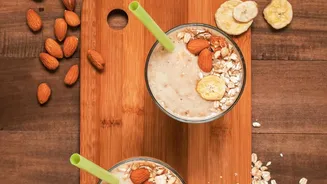
The easiest way to move beyond toast is by incorporating almond butter into your morning routine. Swirl a generous spoonful into a warm bowl of oatmeal or daliya. It adds creaminess, a protein boost, and a nutty flavour that pairs beautifully with fruits like bananas and berries. You can also blend it into a smoothie. A combination of a banana, a tablespoon of almond butter, milk of your choice, and a touch of honey or a date makes for a filling and energy-boosting start to the day.
Embrace Its Savoury Side
Almond butter’s talents extend far beyond sweet dishes. Its rich, earthy flavour is a fantastic base for savoury sauces and dressings. Try whisking it with soy sauce, a little honey, lime juice, and grated ginger to create a quick and delicious Thai-inspired dressing for salads or noodle bowls. This same mixture can be thinned with a bit of warm water to make a dipping sauce for grilled chicken or paneer skewers. It adds a surprising depth and creaminess that can transform a simple meal into something special.
No-Bake Snacks and Energy Bites
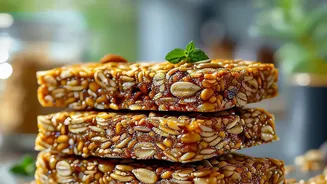
For a quick snack, almond butter is a star. One of the most popular ways to use it is in no-bake energy bites. The concept is simple: mix almond butter with a binder like oats or almond flour, a natural sweetener like honey or maple syrup, and your choice of add-ins. Think chia seeds, flax seeds, shredded coconut, or chocolate chips. Roll the mixture into small balls and refrigerate. They become fantastic, portable snacks for pre-workout fuel or a 4 p.m. pick-me-up. Another simple idea is stuffing dates with a small amount of almond butter for a naturally sweet treat.
A Healthier Dip for Fruits
Instead of serving fruit on its own, offer a side of almond butter for dipping. Apple slices, pear wedges, and bananas are all excellent partners. The combination of the fruit's fibre and the almond butter's protein and healthy fats makes for a more balanced and satisfying snack that will keep you fuller for longer. For a fun twist, you can flavour the almond butter itself. Try mixing in a little cinnamon and a tiny drizzle of maple syrup for a warm, spiced version that feels like a treat.