








1. Leafy Greens
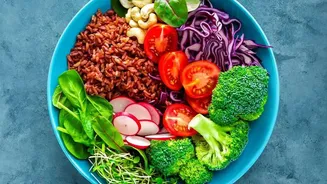
Dark leafy greens like spinach, kale, and Swiss chard are nutritional powerhouses. They are packed with vitamins A, C, E, and K, along with essential minerals like iron, calcium, and potassium. Their high fiber content aids digestion and promotes a healthy
gut, while antioxidants help protect your cells from damage. Studies suggest regular consumption of leafy greens can support brain health, strengthen bones, and may lower the risk of chronic diseases like heart disease.
2. Berries
From blueberries to strawberries and raspberries, berries are loaded with antioxidants, particularly plant compounds called polyphenols and anthocyanins. These compounds are responsible for their vibrant colors and help combat inflammation and cellular damage in the body. Berries are also a great source of fiber and vitamin C, which supports a healthy immune system. Their low sugar content and high fiber can help regulate blood sugar levels, making them a smart choice for a naturally sweet treat.
3. Fatty Fish
Fatty fish such as salmon, mackerel, herring, and sardines are prized for their high levels of omega-3 fatty acids. These are essential fats that our bodies cannot produce on their own. Omega-3s are crucial for brain and eye health and are strongly linked to a reduced risk of cardiovascular disease by helping to lower blood pressure and reduce inflammation. Eating fatty fish at least twice a week is recommended to reap these benefits. They are also one of the few natural food sources of vitamin D.
4. Nuts and Seeds
Almonds, walnuts, chia seeds, and flaxseeds are dense sources of protein, healthy fats, fiber, and essential vitamins and minerals like magnesium and zinc. The combination of healthy monounsaturated and polyunsaturated fats is beneficial for heart health. Despite being calorie-dense, their protein and fiber content can help you feel full and satisfied, which aids in weight management. A small handful of mixed nuts and seeds makes for a powerful snack that can help maintain healthy blood vessels and reduce inflammation.
5. Legumes
The family of legumes—which includes lentils, chickpeas, black beans, and peas—is an excellent source of plant-based protein, fiber, and complex carbohydrates. They are also rich in important nutrients like folate, iron, and magnesium. The high fiber content in legumes promotes gut health and can help lower cholesterol and blood sugar levels. Their affordability and long shelf life make them an easy and sustainable addition to soups, salads, and main courses.
6. Cruciferous Vegetables
This category includes broccoli, cauliflower, Brussels sprouts, and cabbage. They are well-known for containing beneficial plant compounds like sulforaphane, which has been studied for its anti-inflammatory and antioxidant properties. Cruciferous vegetables are an excellent source of fiber, vitamins C and K, and folate. Research suggests that diets rich in these vegetables may help lower the risk of certain chronic diseases.
7. Fermented Foods
Yogurt, kefir, and other fermented foods contain live beneficial bacteria known as probiotics. These microorganisms contribute to a healthy gut microbiome, which is essential for proper digestion and immune function. Regular consumption of yogurt and other fermented dairy products has been linked to a reduced risk of several chronic conditions. Beyond digestive health, these foods are also good sources of protein, calcium, and B vitamins.
8. Whole Grains
Unlike refined grains, whole grains like oats, quinoa, brown rice, and whole-wheat bread contain the entire grain kernel—bran, germ, and endosperm. This makes them rich in fiber, B vitamins, iron, and magnesium. The fiber in whole grains aids digestion, helps you feel fuller for longer, and can assist in lowering cholesterol and managing blood sugar levels. Swapping refined grains for whole grains is a simple change that can significantly boost the nutritional quality of your diet.