
The Buzz on the Backwaters
In the villages surrounding Punnamada Lake, the atmosphere is electric. With the 72nd edition of the race scheduled for August 22, 2026, just days before the main Onam festival begins, preparations have reached a fever pitch. The massive snake boats,
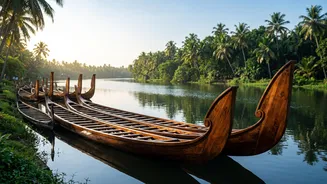
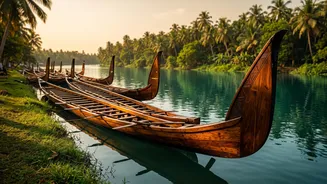
known as Chundan Vallams, are the pride of each village, and getting them race-ready is a communal effort steeped in tradition. For weeks, the long, imposing hulls are carefully smeared with sardine oil, a traditional technique to ensure they glide smoothly through the water. Oarsmen, often numbering over 100 per boat, enter intense training camps, their lives revolving around practice sessions that demand peak physical endurance and absolute synchronicity. This year, the race's proximity to Thiruvonam on August 26th adds an extra layer of festive anticipation, promising a massive turnout of locals and tourists alike.
A Spectacle of Speed and Synchronicity
The Nehru Trophy is more than just a race; it is widely considered the largest team sport in the world. Each Chundan Vallam, stretching over 100 feet long, carries a crew of around 110 people, including oarsmen, helmsmen, and singers. The oarsmen paddle to the frenetic rhythm of the 'Vanchipattu' (boat songs), sung by a group standing in the middle of the boat to keep the tempo and motivate the crew. This perfect coordination of muscle and music transforms the fleet into a living, breathing organism, a sight that defines the 'Vallam Kali' (boat game) tradition. While victory is a matter of immense village pride, the event itself is a celebration of communal harmony, bringing together people from all walks of life in a shared passion.
The Legendary Chundan Vallam
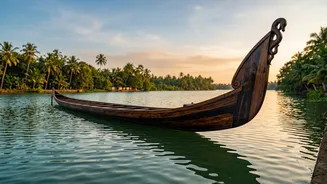
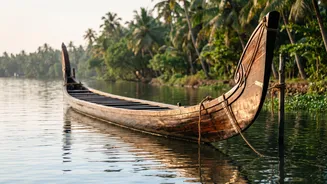
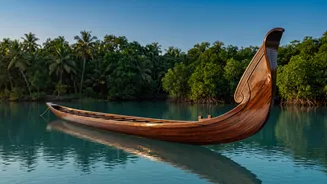
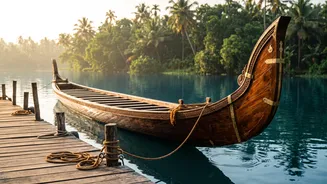
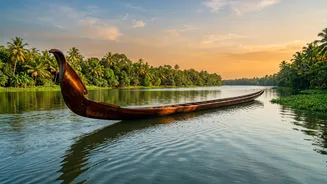
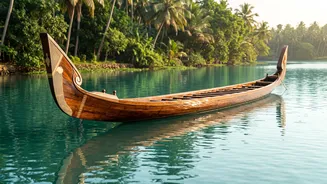
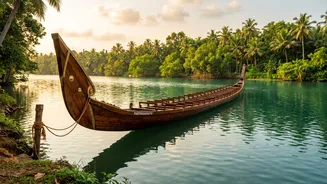
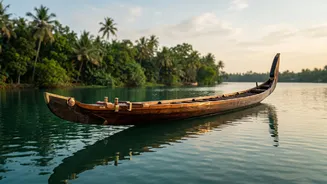
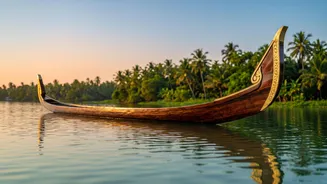
The snake boat is an marvel of ancient naval architecture. Built according to specifications from the 'Sthapatya Veda', an ancient treatise on wooden construction, these boats were originally designed as swift and formidable warships for the kings of old Kerala. Their distinctive shape, with a high, curving stern that resembles the hood of a cobra, gives them their popular name. Crafted from a local wood called 'Anjili', which is resistant to rot, a single boat requires months of meticulous work by master carpenters, whose skills are passed down through generations. Today, these former war vessels have been reborn as icons of sport and culture, representing the enduring craftsmanship and maritime heritage of the region.
A Trophy with Prime Ministerial History
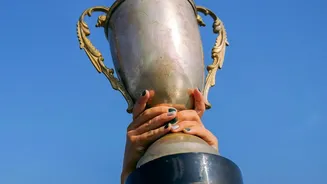
The race owes its prestigious name to India's first Prime Minister, Jawaharlal Nehru. During a visit to Alappuzha in 1952, he was treated to a water pageant and an impromptu snake boat race held in his honour. Captivated by the spectacle and the raw energy of the competition, Nehru impulsively jumped into the winning boat, Nadubhagam Chundan, casting aside his security detail to share in the crew's celebration. Upon his return to Delhi, he donated a silver trophy, a replica of a snake boat, inscribed with his signature and the words, "To the winners of the boat race which is a unique feature of the community life..." Initially called the 'Prime Minister's Trophy', it soon became affectionately known as the Nehru Trophy, cementing the event's national significance.
The Onam Connection
While the Nehru Trophy is a secular sporting event, its timing is deeply intertwined with Onam, Kerala's most important harvest festival. Onam celebrates a mythical golden era under the rule of King Mahabali, and the boat races are seen as a vibrant part of the statewide festivities. The race kicks off a season of celebration that includes elaborate floral carpets (Pookalam), traditional feasts (Sadhya), and cultural performances. The energy from the race on Punnamada Lake flows directly into the ten days of Onam, making August in Kerala a time of unparalleled cultural vibrancy. For the thousands who throng the banks of the lake, the race is the ultimate curtain-raiser for the state's biggest festival, a powerful display of community, heritage, and competitive spirit all rolled into one.