




Choosing a new wellness practice can be daunting. Both Pilates and Tai Chi are celebrated for their low-impact, mind-body benefits, but they offer very different experiences, especially for a beginner. So, where should you start?
Core Philosophy: Control vs. Flow
At its heart, Pilates
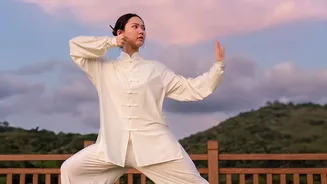
is a system of 'Contrology'. Developed by Joseph Pilates, its primary focus is on building core strength, improving posture, and creating balanced muscle development. For a beginner, the technique revolves around six principles: concentration, control, centering, precision, breath, and flow. The goal is to use your 'powerhouse'—the deep muscles of your abdomen, back, hips, and glutes—to control every single movement precisely. Tai Chi, conversely, is an ancient Chinese practice often described as 'meditation in motion'. Its core philosophy is rooted in generating and circulating life energy, or 'qi'. For beginners, the technique is less about muscular control and more about learning to relax, move with fluidity, and maintain a continuous, flowing sequence of movements. The emphasis is on whole-body coordination, balance, and mental calm.
The Beginner's First Class: Mat vs. Form
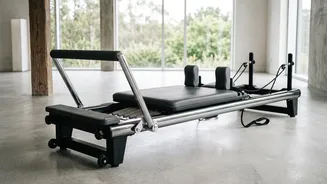
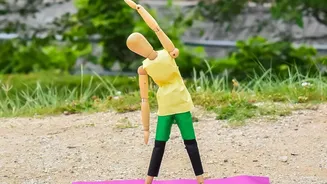
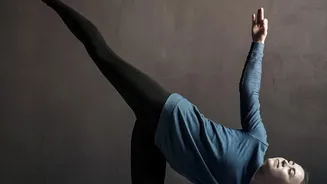
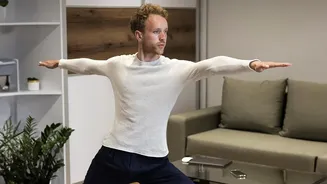
A beginner's first Pilates class will likely be on a mat and introduce fundamental exercises like the Pelvic Curl, the Hundred, and Leg Circles. The instructor will focus heavily on proper alignment and using your breath to engage your core. The movements may seem small, but they require immense concentration and control. You might also be introduced to equipment like the Reformer, which uses springs for resistance and support. In contrast, a beginner Tai Chi class will focus on learning the foundational stances and the first few movements of a 'form'—a set sequence of actions. Names like 'Commencing Form', 'Cloud Hands', and 'Brush Knee and Push' are common in the popular Yang style. The initial challenge for a beginner is not muscular strength, but memorising the sequence and learning to shift weight smoothly and maintain balance. An instructor will emphasize keeping the body upright and relaxed.
The Learning Curve: Precision vs. Memory
The initial hurdle in Pilates is mastering the mind-body connection required for precision. Learning to activate deep core muscles that you may not be used to feeling is a key challenge. Beginners often find it difficult to perform the movements with the required control, but the immediate feedback—a shaky core or a lost balance—helps refine the technique quickly. The exercises are often repetitive, allowing for gradual mastery. The learning curve in Tai Chi is different. The challenge is less about isolating muscles and more about coordinating the entire body as a single unit while remembering the sequence of the form. Beginners often make the mistake of focusing only on what their hands are doing while forgetting their footwork and weight shifts. Achieving the 'flow' state, where movement becomes effortless and meditative, takes consistent practice and patience.
Early Benefits: Stability vs. Serenity
Beginners in Pilates often report feeling 'centered' and more aware of their posture relatively quickly. The focus on core stability can lead to noticeable improvements in posture and a reduction in minor back aches within 10 to 20 sessions. You'll build functional strength that supports everyday activities. Because of its structured nature, the physical results can feel more immediate and quantifiable. Tai Chi beginners, on the other hand, often first notice the mental benefits. The slow, rhythmic movements and deep breathing have a significant calming effect on the nervous system, which can reduce stress and anxiety from the very first session. Physical benefits like improved balance, flexibility, and joint mobility build more gradually over time.