



The Science of Flavour
Spices do more than just add a single taste; they create a complex sensory experience. The science behind this lies in their chemical compounds. When spices are crushed or heated, they release volatile organic compounds that travel to our olfactory receptors
in the nose. This interaction between taste on the tongue and aroma in the nose is what creates the rich perception of flavour. For example, compounds like cinnamaldehyde in cinnamon provide warmth and sweetness, while capsaicin in chilli peppers creates the sensation of heat. These chemicals can mask or complement the five basic tastes—sweet, sour, salty, bitter, and umami—turning a simple, one-note dish into a multi-layered experience. Even the cooking method matters; blooming spices in oil helps dissolve their essential oils, spreading flavour evenly throughout a dish.
More Than Just Taste: A Boost for Your Health
Beyond their culinary magic, many common spices are packed with health-promoting compounds. Research increasingly shows that herbs and spices are concentrated sources of antioxidants, which are substances that protect your cells from damage. Turmeric, for instance, contains curcumin, a compound celebrated for its powerful anti-inflammatory properties that have been shown to reduce joint pain. Similarly, ginger is well-known for its ability to soothe nausea and upset stomachs. Studies also indicate that cinnamon may help lower blood sugar levels in people with type 2 diabetes. A review of multiple studies found that spices like cardamom, cinnamon, ginger, and turmeric showed promise in managing aspects of metabolic syndrome. Adding a blend of spices to a meal may even help reduce meal-induced inflammation.
Transforming Everyday Staples
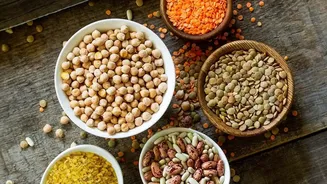
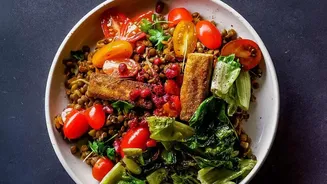
Applying this knowledge to your pantry is simple. That basic dal can be transformed in countless ways. One day, a tadka of cumin and asafoetida offers an earthy, familiar comfort. The next, a mix of mustard seeds, dried red chillies, and curry leaves can transport you to South India. Potatoes, a universal staple, can be roasted with rosemary and garlic for a Mediterranean feel or boiled and tossed with turmeric, mustard seeds, and a squeeze of lime for a classic Indian preparation. Even a simple dish of spaghetti with cheese and pepper (cacio e pepe) can be elevated by swapping standard black pepper for a more aromatic variety like Tellicherry or Kampot pepper. The goal is to see your pantry staples not as a finished product, but as a blank canvas.
Building Your Essential Spice Toolkit
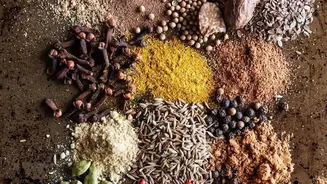
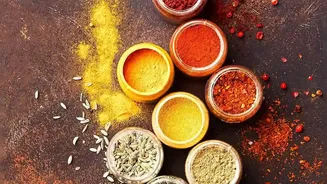
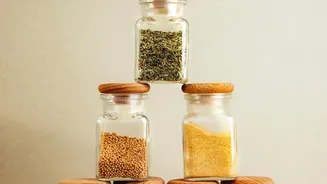
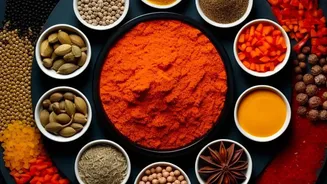
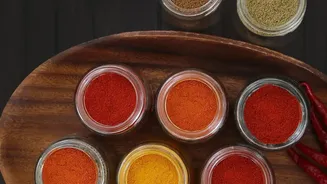
You don't need a hundred different jars to make a difference. A well-curated spice collection is far more effective. For a foundational Indian kitchen, start with the essentials: turmeric powder (haldi), cumin seeds (jeera), coriander powder (dhania), black mustard seeds (rai), and red chilli powder. These form the base of countless dishes. To expand your range, consider adding whole spices like cinnamon sticks, cloves, and cardamom, which add deep aroma to rice and curries. A few international players like dried oregano, rosemary, and smoked paprika can instantly change the profile of roasted vegetables or meats. Store your spices in airtight containers away from heat and direct sunlight to preserve their volatile oils and, consequently, their flavour.
The Finishing Touch: Condiments and Pickles
Finally, don't underestimate the power of condiments. While spices build flavour during the cooking process, condiments provide a final, vibrant punch. A spoonful of tangy mango pickle (achar), a dollop of fresh mint-coriander chutney, or a drizzle of tamarind sauce can instantly brighten a meal. These additions provide acidity, sweetness, or a fresh herbal note that cuts through richness and adds another layer of complexity. They are the quickest way to ensure that even if the base meal is the same, the final experience on the plate is excitingly different. Having a small selection of pickles and chutneys on hand is a simple strategy to rescue any meal from monotony.