

The Art of Stillness
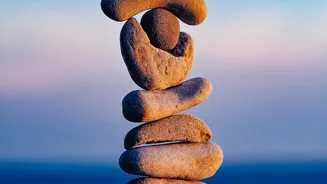
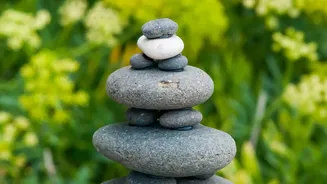
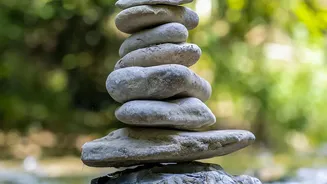
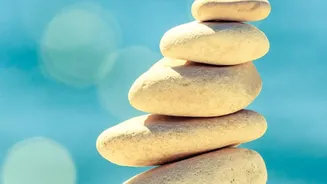
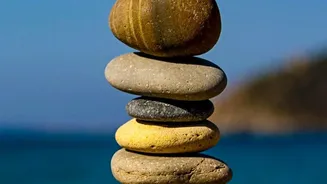
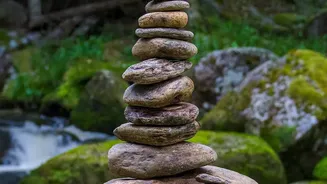
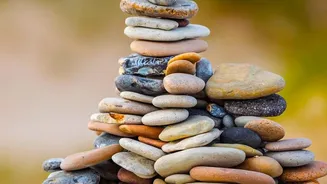
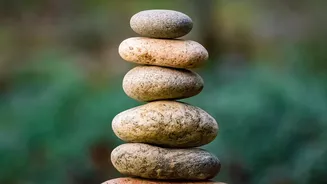
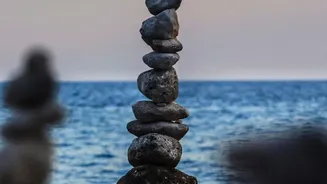
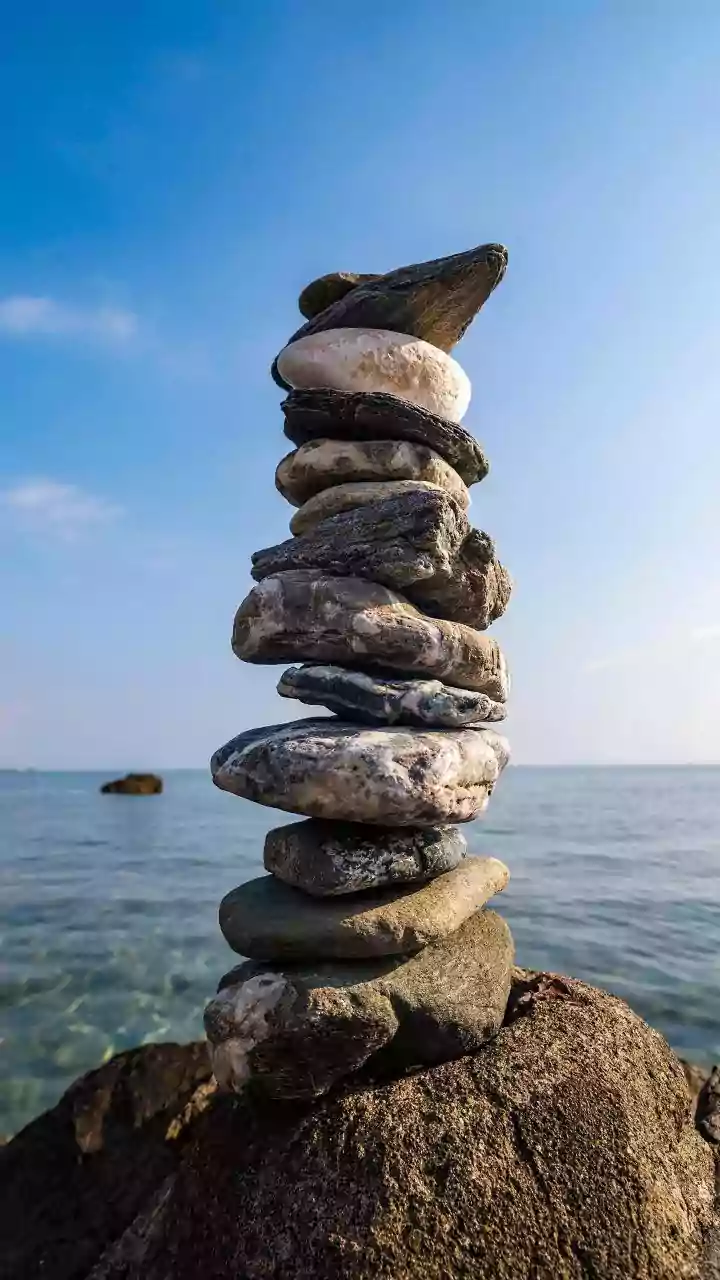
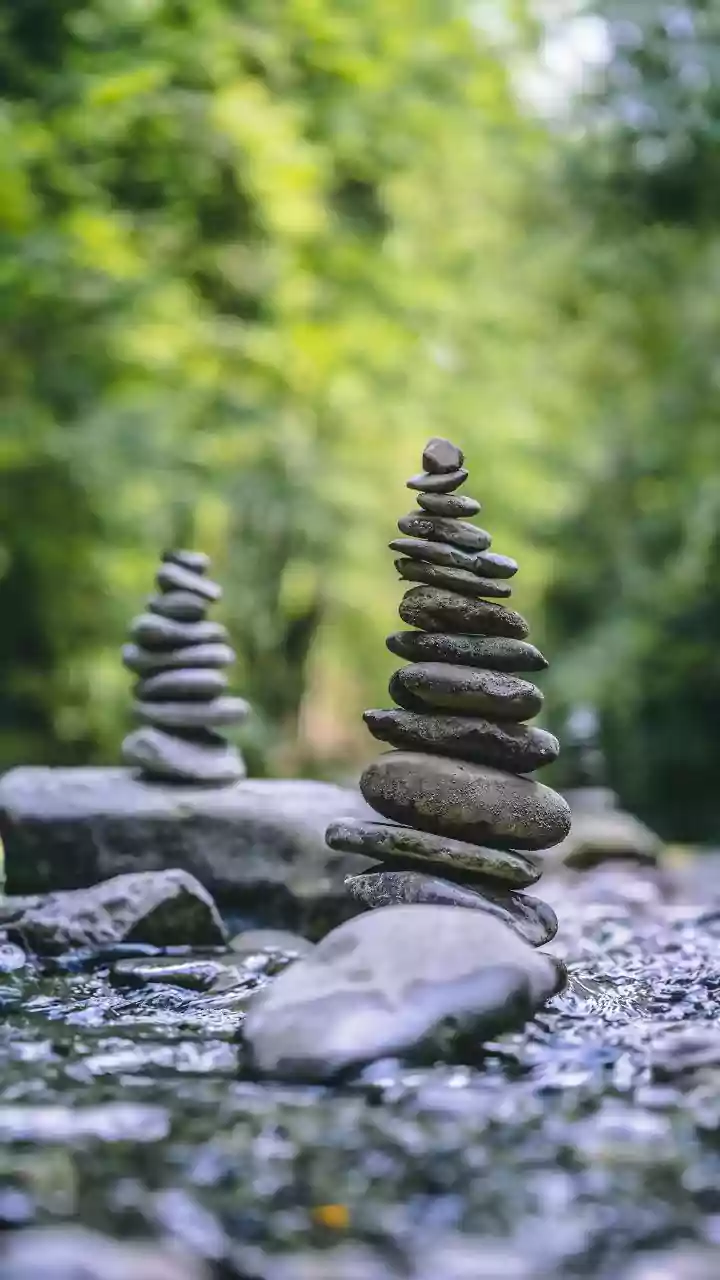
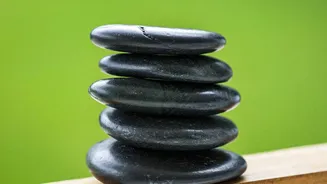
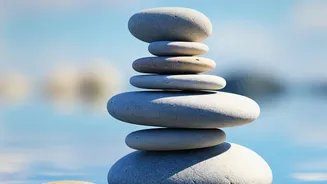
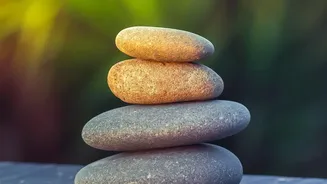
Stone balancing is the practice of stacking rocks without any adhesives, wires, or supports. It is an act that demands complete attention, transforming a simple collection of stones into a captivating sculpture that can appear to defy physics. Practitioners
see it as a creative and meditative activity, a way to connect with nature and find a quiet space in a noisy world. The process is one of trial and error, feeling for the tiny, unique indentations and balance points that allow two objects to rest in harmony. This physical dialogue between the artist, the stones, and gravity is where the magic happens. The goal is not just to build, but to listen and respond.
A Masterclass in Patience
More than any other quality, stone balancing is an exercise in immense patience. Finding the precise point where a rock will settle can take minutes or even hours of minute adjustments. The artist must remain calm and focused, as frustration is the surest way to failure. Each attempt that sends a structure tumbling down is not a failure, but a lesson in letting go and starting again. This process teaches a deep acceptance of impermanence; the creation is temporary by nature, and a gust of wind can undo hours of work in an instant. This philosophy of non-attachment is central to the practice, reminding us that the value is in the act of creating, not in the final, lasting product.
Training Focus and Coordination
The intense concentration required for stone balancing is a powerful form of mindfulness training. It forces the mind to become still and fully present in the moment, shutting out external distractions. This singular focus can enhance mental clarity that carries over into other areas of life. Physically, the delicate act of placing each stone improves fine motor skills and hand-eye coordination. Practitioners learn to feel for almost imperceptible shifts in weight and stability, developing a heightened sense of touch and spatial awareness. It's a holistic activity that engages both mind and body in a seamless, focused effort.
Finding Your Own Balance
Getting started with stone balancing is accessible to anyone. The key is to start small and manage expectations. Beginners are advised to begin with just one or two stones, learning to feel the balance points before attempting more complex structures. The process often involves finding a tiny triangle of three contact points between stones, creating a stable foundation. It’s about feeling how the rocks want to settle rather than forcing them into place. Practitioners often describe a moment where the stone “clicks” or settles, and the balance finds itself. The ideal setting is a quiet place in nature, but the practice can be done anywhere you can find a few stones and a moment of peace.
More Than Just Stacking Rocks
While it is a personal and meditative practice, it’s important for balancers to be mindful of their environment. The philosophy of "Leave No Trace" is crucial; responsible artists often dismantle their creations and return the stones to where they found them, leaving the landscape undisturbed. This act of returning things to their natural state reinforces the lesson of impermanence and respect for nature. Ultimately, stone balancing serves as a powerful metaphor. Each stone can represent a different aspect of our lives—work, relationships, health—and the act of balancing them is a reflection of our own search for harmony and stability amidst the constant flux of life.