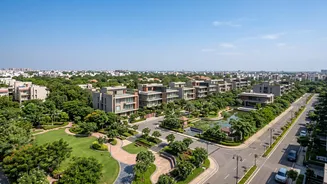






When buying a home in India, it's easy to get lost in floor plans and square footage. But the four walls of your flat are only half the story. The real value and quality of your life are often determined by the neighbourhood outside your door.
Beyond the Brochure's Promise
Developers
are experts at selling a dream within the project's boundaries: landscaped gardens, a swimming pool, a modern gym. While these amenities are attractive, they don't compensate for what's missing outside the gates. The allure of a large, amenity-rich apartment can fade quickly if the surrounding area is plagued by poor roads, limited services, and a lack of safety. Many homebuyers fall into the trap of prioritising the tangible features of the flat over the intangible but crucial aspects of the locality. The truth is, while you can renovate your kitchen, you can't move your building closer to a good school or away from a noisy, congested street.
The Daily Commute and Connectivity
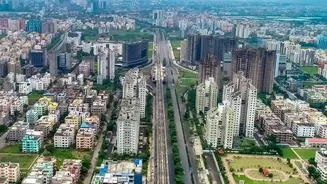
One of the most significant, yet often underestimated, factors is a neighbourhood's connectivity. A long, stressful commute can severely impact your quality of life, leaving you drained with little time for family or relaxation. Before buying, assess the proximity to your workplace and the daily travel time. Look at the quality of roads and access to public transport like metro and bus networks. A slightly smaller home in a well-connected area can save you hours each week, which translates into more personal time and lower transportation costs. A neighbourhood with good existing or upcoming connectivity is also more likely to see stronger property value appreciation.
Social and Civic Infrastructure
A good neighbourhood functions like a support system for your family. This 'social infrastructure' includes access to reputed schools, reliable hospitals, banks, and daily markets. The presence of parks, recreational areas, and community spaces also contributes significantly to a higher quality of life. Safety is another non-negotiable aspect. Research the area's safety record, look for well-lit streets, and observe if you see families and elderly people out and about, which is usually a sign of a secure environment. Visiting the area at different times of the day, including in the evening, can provide a realistic sense of its safety and general atmosphere.
The Unseen Essentials: Water, Power, and Waste
In many rapidly urbanising parts of India, basic utilities can't be taken for granted. An area might look promising, but it's essential to investigate the reliability of the water and electricity supply. Frequent power cuts or dependence on expensive water tankers can become a major source of frustration and hidden costs. Similarly, check how waste is managed in the locality. Clean streets and an organised system for garbage disposal are indicators of a well-run and healthy environment. These factors are often overlooked during a property visit but have a massive impact on day-to-day living.
Gauging Future Growth Potential
Buying a home is also a significant financial investment. A neighbourhood's future prospects can dramatically affect its longterm value. Research any upcoming infrastructure projects planned by the government, such as new metro lines, expressways, or business parks. Such developments can transform a locality, boosting both livability and property prices. Conversely, a lack of planned development might mean the area's infrastructure struggles to keep up with a growing population. Thinking like an investor means choosing a location that is not just good today, but is poised for growth tomorrow.