



A quiet powerhouse in pantries across the country, urad dal is a cornerstone of Indian cooking. This versatile black gram does more than just make dal; it transforms into crispy vadas, fluffy idlis, and hearty khichdi. Here’s how to unlock its potential.
The Unsung Hero Of The Pantry
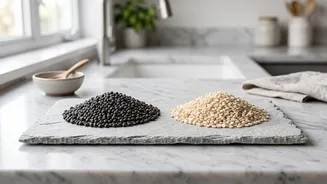
Known as black gram, urad dal is a pulse that comes in several forms: whole with the black skin on (sabut urad), split with the skin on, and split and husked, which is white (urad dal dhuli). Each has its place in the kitchen. The whole black lentil is prized for its earthy flavour and creamy interior when slow-cooked. Nutritionally, it's a star performer, packed with plant-based protein, dietary fibre, iron, and calcium. In fact, it has one of the highest protein counts among common lentils and the highest calcium content, making it excellent for bone health. This humble dal is not just a source of energy but also aids in digestion and can help manage blood sugar levels.
North India's Creamy Delight: Dal Makhani
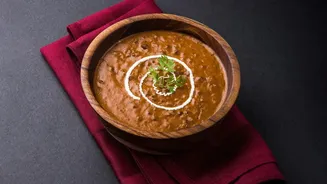
No discussion of urad dal is complete without mentioning Dal Makhani, the undisputed king of North Indian dals. This dish uses whole black urad dal, often combined with a smaller amount of rajma (kidney beans), to create a rich, velvety curry. The secret to its signature creamy texture is a slow cooking process. The lentils are typically soaked overnight and then simmered for hours until they are completely tender and begin to break down. The base is a flavourful masala of onions, tomatoes, ginger, and garlic, but the magic comes from finishing it with butter (makhan) and cream. The result is a deeply satisfying, smoky, and luxurious dal that is a staple at celebrations and restaurants alike.
South India's Crispy Snack: Medu Vada
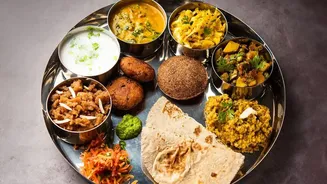
Travelling south, urad dal takes on a completely different form as Medu Vada, a savoury doughnut-shaped fritter. This beloved breakfast and snack item showcases the dal's ability to create a light, airy texture. To make Medu Vada, white urad dal is soaked for several hours and then ground into a thick, smooth paste with very little water. This batter is then flavoured with ingredients like green chillies, ginger, curry leaves, onions, and crushed black peppercorns. Small portions of the batter are shaped by hand, with a characteristic hole in the centre, and deep-fried until golden brown and crisp on the outside while remaining soft and fluffy inside. Served hot with sambar and coconut chutney, it's a timeless classic.
The Foundation of Breakfast: Idli and Dosa
Urad dal is the silent partner to rice in creating the fermented batter that forms the basis of two of South India’s most iconic dishes: idli and dosa. The standard ratio is typically one part urad dal to three or four parts rice. After soaking separately, the dal and rice are ground into a batter, mixed, and left to ferment overnight. The fermentation process, aided by the urad dal, is what makes idlis incredibly soft and spongy and gives dosas their characteristic tangy flavour and crisp texture. Fenugreek seeds are often added to the dal while soaking to aid in fermentation and add flavour.
Tips for Perfect Urad Dal
Cooking with urad dal is straightforward, but a few tips can elevate your dishes. Soaking is crucial, especially for whole black urad dal, which benefits from an overnight soak to ensure it cooks evenly and becomes creamy. For white urad dal used in vadas or idlis, a soak of 4–6 hours is usually sufficient. When grinding batter for vadas, use minimal water to maintain a thick consistency; for idlis, the batter should be fluffy and aerated. When making a simple dal tadka, you can cook the lentils in a pressure cooker to save time, often in about 20–25 minutes. Don't be afraid to mash some of the cooked lentils with the back of a spoon to naturally thicken your dal.