

Embrace a Solo-Cooking Mindset
The first step is a mental shift. Stop thinking of recipes as rigid instructions for four to six people. Instead, see them as blueprints you can adapt. Cooking for one is an opportunity for creativity and efficiency. It means less time washing a mountain
of dishes and more freedom to cater exactly to your own tastes. Rather than feeling frustrated by grocery store packaging, view it as a challenge to make every purchase count. This might mean planning meals more carefully than you would for a larger household, but the payoff in savings and reduced waste is significant. Using smaller pots, pans, and even smaller plates can also psychologically guide you toward preparing and serving more appropriate portion sizes.
The Art of the Half-Batch
Scaling down a recipe isn’t always as simple as dividing every ingredient by four. While some recipes are forgiving, baking is a science, and altering ingredient ratios can lead to disappointing results. A better approach is to make a half-batch of the original recipe. For many dishes, this leaves you with one meal for tonight and one for lunch tomorrow or to freeze for later. If a recipe is difficult to halve—say, it calls for a single egg—consider making the full batch and immediately freezing half. Soups, stews, chilis, and casseroles are perfect candidates for this method. Investing in smaller bakeware, like loaf pans instead of large casserole dishes, can make cooking smaller portions feel more natural and yield better results.
Strategic Shopping for One
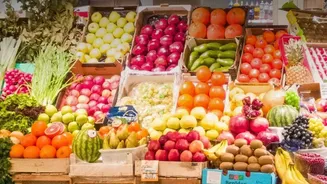
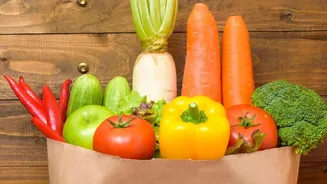
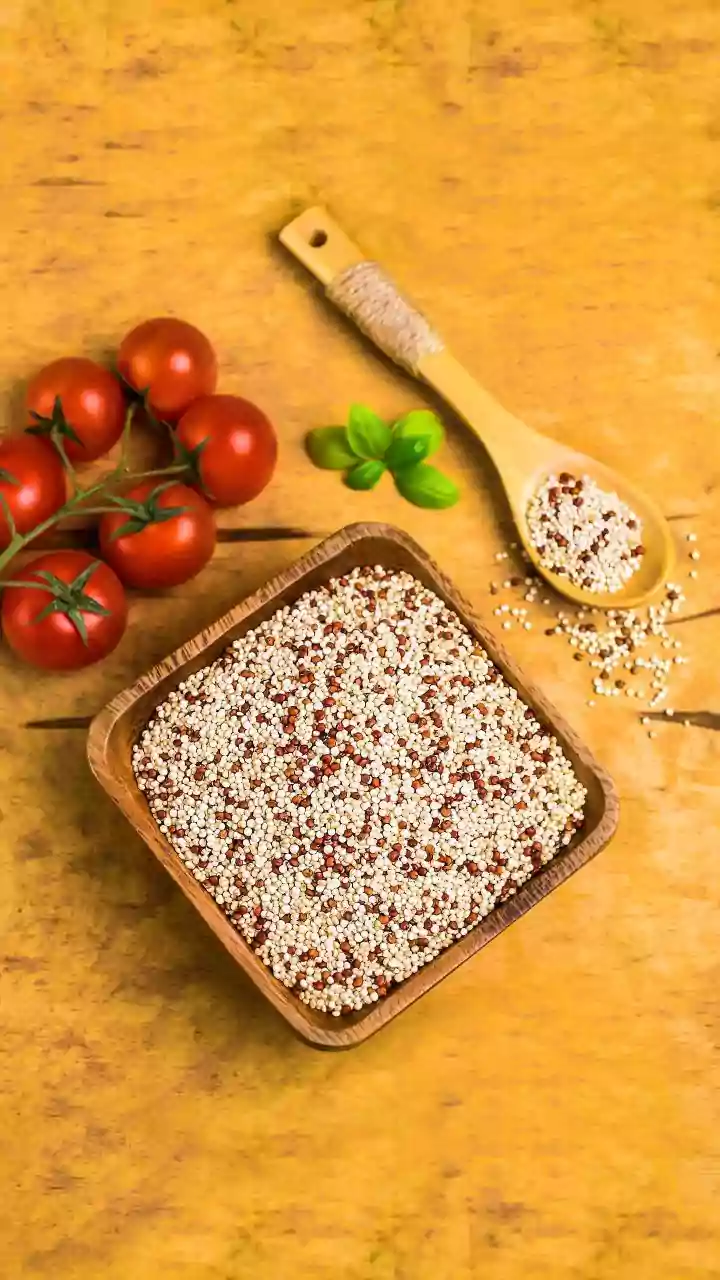
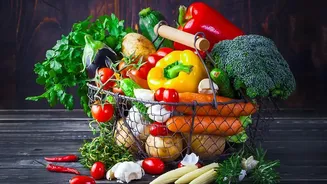
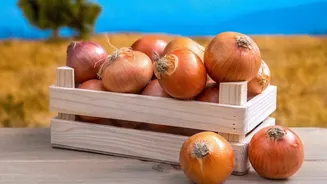
The grocery store can be a minefield for the solo cook, with family-sized packages everywhere. But there are ways to shop smarter. Whenever possible, buy loose produce so you can pick up one onion or two potatoes instead of a whole bag. Make friends with the butcher, seafood, and deli counters, where you can ask for the exact portion you need, like a single chicken breast or a few slices of cheese. The salad bar and bulk bins are also your allies. Need a handful of spinach, a few mushrooms, or a small amount of quinoa? These sections allow you to buy just what you need, preventing the slow decay of unused produce in your refrigerator. Finally, always shop with a plan. Knowing what meals you'll make prevents impulse buys that often go to waste.
The Power of Shared Ingredients
To truly minimize waste, plan your week's meals around a few core, versatile ingredients. If you buy a bunch of cilantro, plan for it to appear in tacos, a salad dressing, and a soup. That large cabbage can be used for coleslaw, a stir-fry, and then roasted as a side dish. Stocking your pantry with versatile staples is also crucial. Ingredients like eggs, canned tomatoes, beans, pasta, rice, onions, and garlic can form the base of countless quick meals. A well-stocked pantry means you always have the building blocks for a meal, allowing you to use up the fresh items you buy before they spoil.
Make Your Freezer a Valued Partner
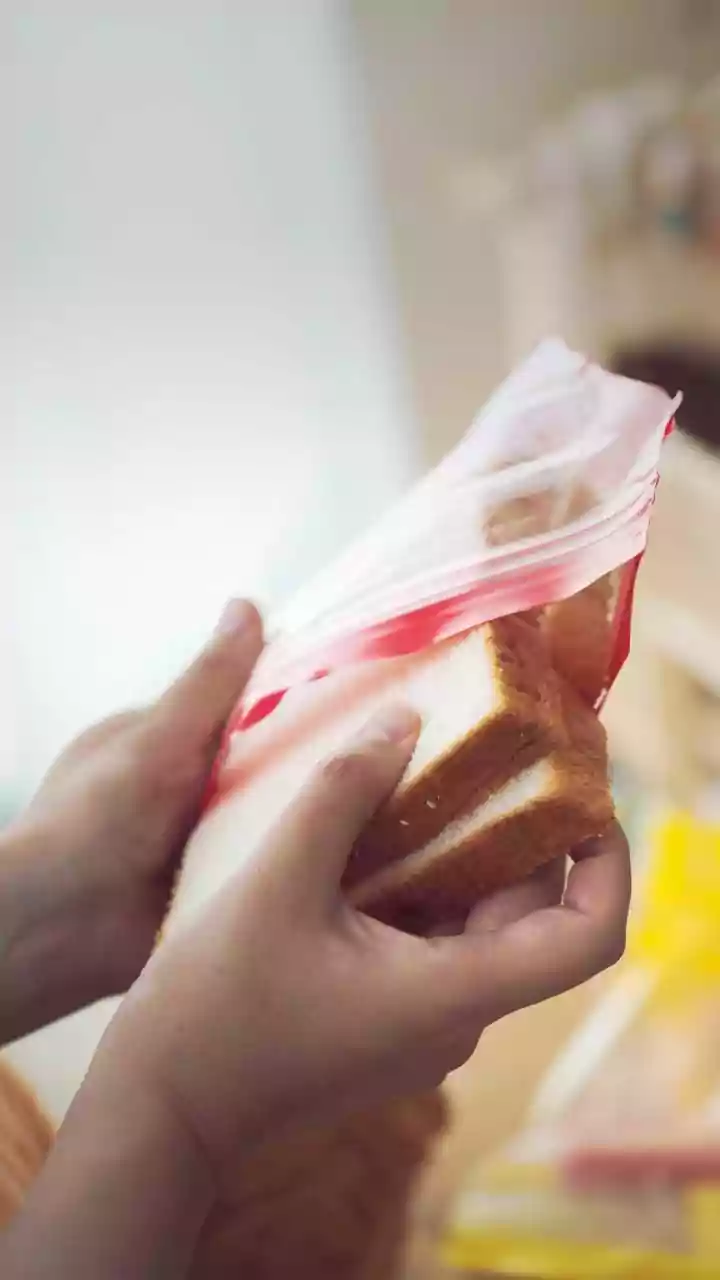
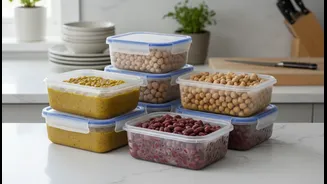
Your freezer is arguably the most important appliance for a person cooking for one. It's not just for frozen pizzas; it's a tool for preserving fresh food and saving future-you from having to cook from scratch every night. Get in the habit of portioning and freezing leftovers immediately in single-serving containers. You can freeze more than just finished meals. When you get home from the store, divide packs of meat into individual portions and freeze them. Chop and freeze leftover herbs in ice cube trays with a little water or oil. You can even freeze bread, grabbing a slice whenever you need it. Label everything with the contents and date to keep your freezer organized and avoid mystery meals.