




Kaziranga National Park: Beyond the Rhino
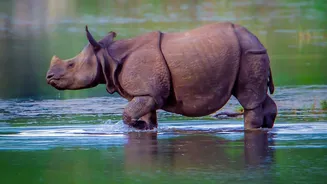
While world-famous for its one-horned rhinoceros population, Kaziranga National Park is also an avian paradise. This UNESCO World Heritage Site boasts over 500 bird species, making it one of the most rewarding birding destinations in India. The park's
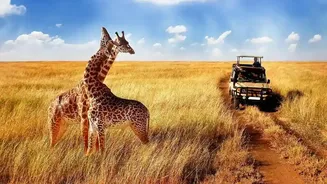
diverse landscape of grasslands, wetlands, and forests provides a habitat for a stunning variety of birds. The wetlands, such as Sohola Beel, are particularly active, attracting thousands of migratory waterfowl in the winter. Visitors can spot everything from the majestic Great Hornbill and Pallas's Fish Eagle to the rare and endangered Bengal Florican. Other common sightings include flocks of Bar-headed Geese, Spot-billed Pelicans, and numerous species of storks and kingfishers. For the best experience, book an early morning jeep safari, which allows you to witness the park come alive with both avian and mammalian wildlife.
Nameri National Park: A Himalayan Foothills Haven
Nestled at the foothills of the Eastern Himalayas, Nameri National Park offers a unique birding experience. The park is bisected by the Jia Bhoroli River, creating a rich ecosystem of tropical evergreen and moist deciduous forests. Nameri is one of the few national parks in Assam where you can trek through the forest, allowing for intimate, on-foot encounters with its avian residents. The park is most famous as a reliable spot to see the critically endangered White-winged Wood Duck, Assam's state bird. Other prized sightings include the Great Hornbill, Wreathed Hornbill, the elusive Ibisbill along the riverbanks, and a variety of kingfishers, including the Blyth's Kingfisher. With nearly 400 documented bird species, river rafting on the Jia Bhoroli also provides an excellent platform for spotting water birds and raptors.
Manas National Park: A World Heritage Hotspot
Another UNESCO World Heritage Site, Manas National Park is celebrated for its stunning biodiversity and scenic beauty along the Bhutan border. Its mosaic of grasslands, woodlands, and riverine habitats supports over 450 species of birds. Manas is a critical sanctuary for the endangered Bengal Florican, which can be spotted in its vast grasslands. The park is also a fantastic place to see hornbills, including the Great Hornbill and the Rufous-necked Hornbill. The forests and riverbanks are home to a wide array of species such as the Black-breasted Parrotbill and Pied Harrier. Guided jeep safaris and nature walks offer opportunities to explore the different ranges of the park, from the central Bansbari area to the eastern Bhuyanpara range, each offering unique bird sightings.
Dibru-Saikhowa National Park: Wetlands and Grasslands
Located in Upper Assam, Dibru-Saikhowa is a biosphere reserve known for its pristine wetlands and grasslands shaped by the Brahmaputra and Lohit rivers. This park is a haven for water birds and grassland specialists, many of which are rare and hard to find elsewhere. It is one of the best places to search for the Marsh Babbler, Jerdon's Babbler, and the Black-breasted Parrotbill. The adjacent Maguri-Motapung Beel, a large wetland, is an Important Bird Area (IBA) that teems with migratory and resident birds, especially during the winter. Boat safaris are the primary way to explore the park and offer fantastic views of species like the Swamp Francolin, Baer's Pochard, and a variety of storks and pelicans.
Planning Your Birding Trip
The best time for birdwatching in Assam is during the winter months, from November to March. During this period, the weather is pleasant, and migratory birds from Central Asia and Siberia arrive in large numbers, significantly boosting the avian diversity. Mornings and late afternoons are typically the most active times for birds. It is highly recommended to hire local guides who have an intimate knowledge of the trails, bird calls, and the best spots for sightings. Remember to carry a good pair of binoculars, a field guide to the birds of the region, and wear comfortable walking shoes and clothing in natural, muted colours to blend in with the surroundings.