


Himalayan Heights: The Kalka-Shimla Railway
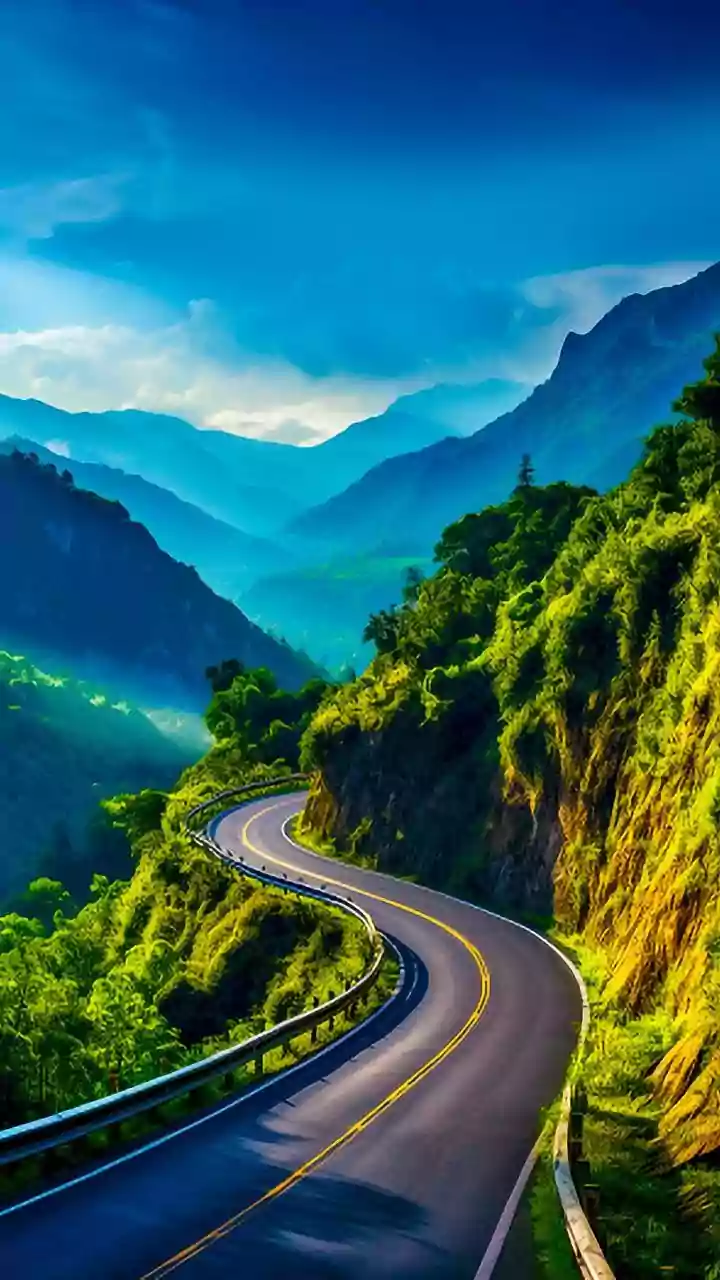
A journey on the Kalka-Shimla Railway is like travelling back in time. This UNESCO World Heritage Site, a narrow-gauge line built in 1903, is a marvel of engineering that climbs from the plains into the heart of the Himalayas. The 'toy train' moves at a leisurely
pace, allowing passengers to soak in the stunning vistas of pine-covered hills and mist-filled valleys. Spanning 96 kilometres, the route negotiates over 800 bridges and passes through 102 tunnels, with the Barog tunnel being the longest. Each curve reveals a new, breathtaking panorama, making the slow ascent part of the charm. It's not just a trip to the popular hill station of Shimla; it’s an immersion into the serene and spectacular beauty of the mountains.
Coastal Marvel: The Konkan Railway
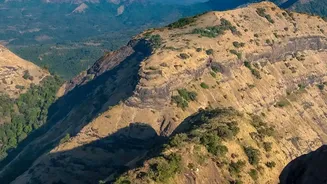
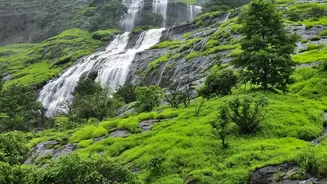
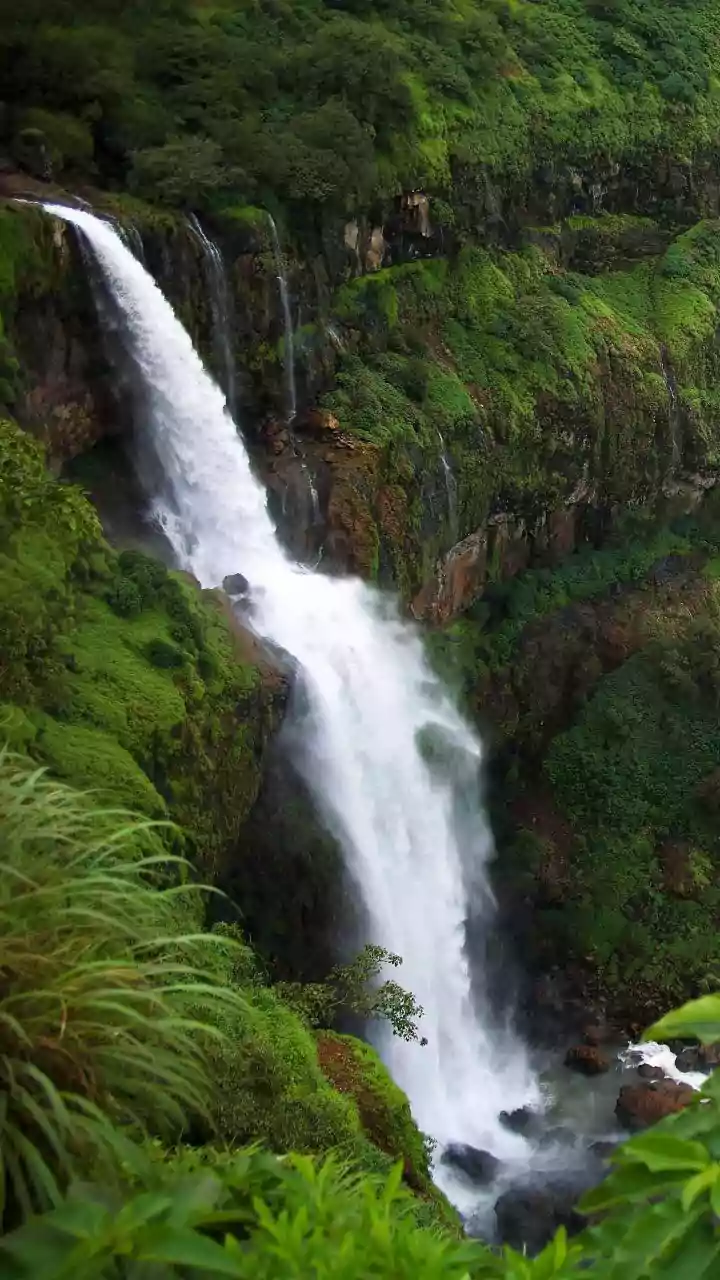
Considered one of India’s greatest post-independence engineering feats, the Konkan Railway connects the western coast, running from Maharashtra, through Goa, and into Karnataka. This route is a visual feast, flanked by the Sahyadri mountains on one side and the Arabian Sea on the other. The train crosses over 2,000 bridges and navigates more than 90 tunnels, including the 6.5 km long Karbude tunnel. The journey is especially magical during the monsoon season, when the landscape transforms into a lush green paradise, with countless waterfalls cascading down the hillsides and rivers flowing in full force. It’s a testament to human ingenuity against a backdrop of stunning natural beauty.
A Passage Over the Sea: The Pamban Bridge
The train journey to Rameswaram island in Tamil Nadu offers a truly unique and thrilling experience: crossing the Pamban Bridge. Opened in 1914, this was India's first sea bridge, and for over a century, it has provided a vital link to the mainland. As the train travels over the 2-kilometre-long structure, passengers are treated to the surreal feeling of gliding just metres above the clear blue waters of the Palk Strait. The view is endless ocean on both sides, creating an unforgettable, hair-raising ride. The bridge itself has a central section that can open to allow ships to pass, a spectacle of old-world engineering. This short but dramatic part of the journey makes it one of the most iconic rail experiences in the country.
Forest Safari on Rails: The Dooars Route
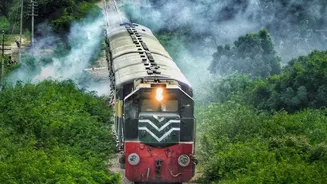
Stretching across the foothills of the Eastern Himalayas in West Bengal, the Dooars region is a gateway to forests, wildlife, and sprawling tea gardens. The railway line between Siliguri and Alipurduar cuts right through this verdant landscape. A journey here feels like a safari on tracks, as the route passes through several renowned wildlife sanctuaries, including Jaldapara National Park, Gorumara National Park, and the Buxa Tiger Reserve. Passengers often spot wild elephants, deer, and a rich variety of birdlife from their windows. The train crosses numerous rivers like the Teesta and Jaldhaka, with the dense green forests and emerald tea estates providing a constantly refreshing backdrop, especially during the monsoon.
Through the Eastern Ghats: The Araku Valley Railway
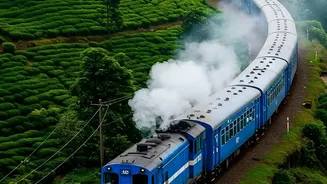
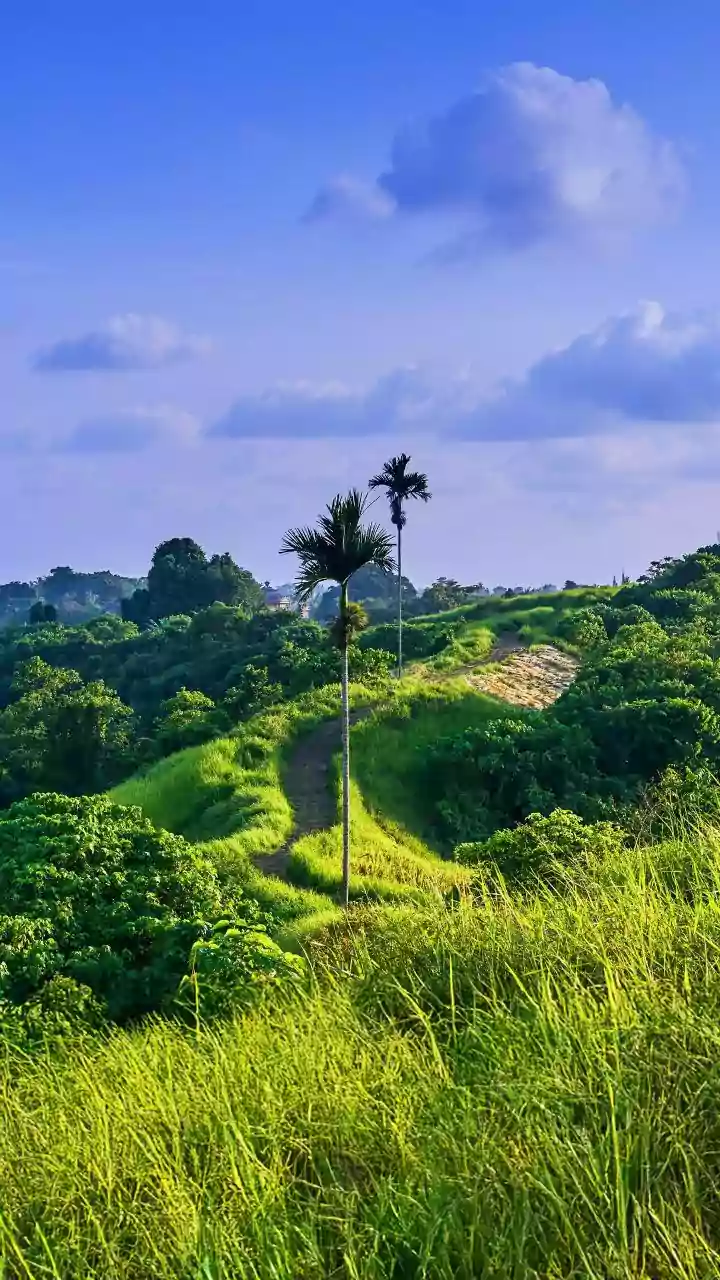
The train journey from the coastal city of Visakhapatnam to the Araku Valley is a scenic climb through the hills of the Eastern Ghats. This route is celebrated for its panoramic views of lush green hills, deep valleys, and coffee plantations. The train meanders through numerous tunnels and over bridges, offering spectacular sights as it gains altitude on its way to Araku, which sits at about 3,000 feet. The Vistadome coach, with its large glass windows and rotating seats, is particularly popular on this line, designed specifically to give travellers an immersive viewing experience. The roughly four-hour journey is the perfect introduction to the tribal culture and natural beauty of the Araku region, famous for its coffee and the nearby Borra Caves.