


The Green Contender's Rise
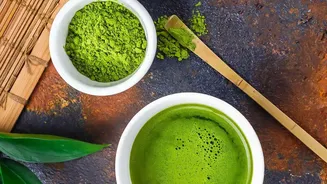
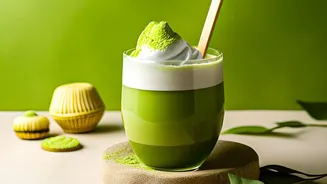
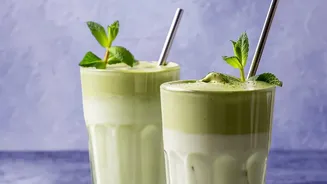
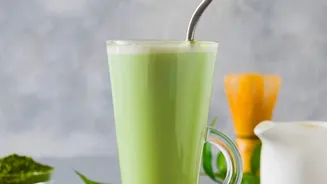
Not long ago, matcha was a niche item found only in specialty cafes in India's biggest metros. Now, it's becoming a mainstream wellness trend. Google search interest for 'how to make matcha' has skyrocketed, with cities like Delhi, Goa, and Chandigarh
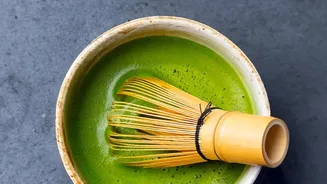
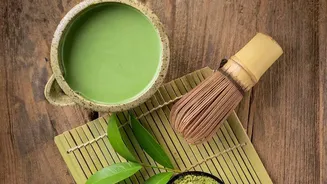
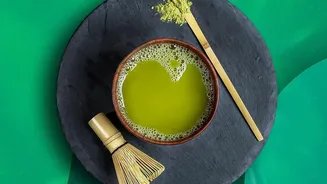
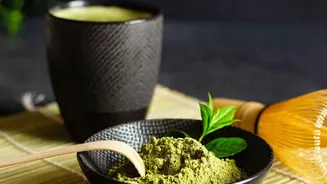
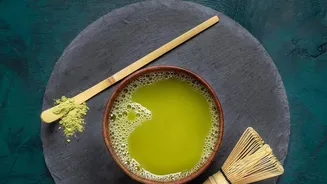
leading the charge. This isn't just about trying a new drink; it's a shift towards new rituals. The interest in at-home matcha kits, bowls, and whisks suggests Indians are embracing the mindful preparation that matcha requires, turning a simple beverage into a daily moment of calm.
The Caffeine Kick: Jitters vs. Zen
This is the biggest point of difference. A cup of coffee typically delivers a higher and faster caffeine hit, around 95-165mg, which can lead to a sharp spike in energy followed by a crash. Matcha, on the other hand, usually contains less caffeine, about 38-88mg per cup. More importantly, it contains L-theanine, an amino acid that promotes a state of calm, alert focus. This unique compound slows the body's absorption of caffeine, resulting in a sustained, gentle energy boost that lasts for hours without the jitters or anxiety often associated with coffee.
A Tale of Two Antioxidants
Both drinks are antioxidant powerhouses, but they offer different benefits. Coffee is rich in chlorogenic acids, which are linked to a reduced risk of cardiovascular disease. Matcha’s superstar is a catechin called EGCG (epigallocatechin gallate), a potent antioxidant studied for its anti-inflammatory properties and ability to boost metabolism. Because you consume the entire ground leaf when you drink matcha, you get a much higher concentration of these nutrients compared to brewed tea or coffee. For those with sensitive stomachs, matcha is also less acidic than coffee, making it a gentler choice.
The Ritual and Taste Experience
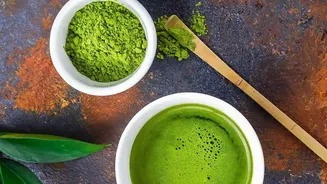
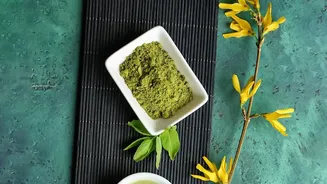
For many, coffee is about speed and convenience—a quick press of a button or a visit to a local cafe. The flavour is familiar: roasted, bold, and sometimes bitter. Preparing matcha is a more deliberate ritual. It involves sifting the fine green powder and whisking it with hot water until a froth forms, a process many find meditative. The taste is also unique and can be an acquired one. Good quality matcha has a complex profile that is grassy, slightly sweet, and features a savoury note known as 'umami'.
So, Which Cup Should You Choose?
The choice between matcha and coffee isn't about which one is definitively 'better', but which one is better for you. If you need a powerful, immediate jolt of energy to kickstart a busy morning, coffee remains a reliable choice. However, if you're looking for sustained, calm focus to power you through long hours of work or study, matcha might be your ideal partner. If you experience anxiety, jitters, or an afternoon crash from coffee, the L-theanine in matcha could offer a welcome change.