


The Allure of Old-School Cookware
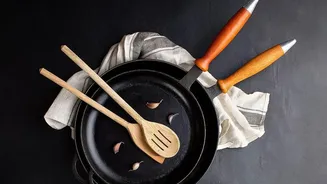
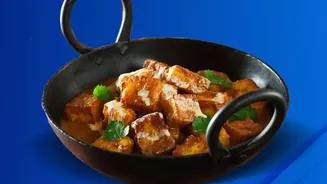
There's no denying the appeal of a cast-iron kadai. It's a piece of cookware that promises to last for generations, getting better with age. The primary benefit is its superior heat retention; once it gets hot, it stays hot, providing the consistent,
even temperature needed for deep-frying samosas to perfection or achieving a beautiful sear on paneer. When properly seasoned, it develops a natural non-stick surface without the chemical coatings found on many modern pans. Plus, it’s a natural way to add a small amount of dietary iron to your food, which can be a bonus for many. This combination of durability, performance, and health benefits makes it a prized possession in many kitchens.
The Unspoken Issue: The Weight
The most significant and immediate drawback of a cast-iron kadai is its weight. This isn't a minor inconvenience; a medium-to-large kadai can be incredibly heavy, making it difficult to lift, especially when full of hot food. For many home cooks, including the elderly, those with wrist or joint problems, or anyone who simply prefers lightweight cookware, this can be a dealbreaker. The physical strain of moving it from the cupboard to the stove, then to the sink for washing, is a daily reality that can overshadow its cooking benefits. Tossing vegetables for a quick stir-fry becomes an arm workout, and maneuvering it for cleaning can feel like a chore in itself.
The Commitment to Care and Maintenance
Unlike a stainless steel or non-stick pan, cast iron demands a specific care routine. It's not just about washing; it's about preservation. These pans must be seasoned—a process of baking oil onto the surface to create a protective, non-stick layer. After cooking, they need to be cleaned gently (harsh soaps can strip the seasoning), dried immediately and thoroughly to prevent rust, and then lightly oiled before storing. Soaking a cast-iron kadai in the sink is a cardinal sin, as it will almost certainly lead to rust. While the process becomes second nature for enthusiasts, it can feel like a high-maintenance commitment for those with busy schedules or a preference for low-effort cleanup. If you see rust, it needs to be scrubbed off before the pan is re-seasoned.
When Cooking Styles Don't Align
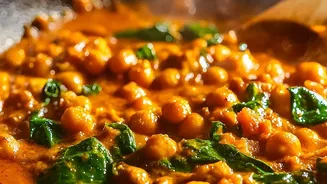
Cast iron retains heat wonderfully, but it's also slow to heat up and, more importantly, slow to cool down. This makes it less than ideal for dishes that require quick, precise temperature changes. Furthermore, cast iron is a reactive surface. Cooking highly acidic foods like tomato-based curries, sambar, or dishes with tamarind for extended periods can strip the pan's seasoning and impart a metallic taste to the food. While a well-seasoned pan can handle some acidity, it's a constant consideration. For everyday sabzis and dals that rely on a complex balance of acidic ingredients, a non-reactive material might be a more reliable choice.
Exploring Lighter, Simpler Alternatives
Deciding against a cast-iron kadai doesn't mean compromising on quality. Several other materials offer excellent performance for Indian cooking. Tri-ply stainless steel is a fantastic all-rounder; it's durable, non-reactive, distributes heat evenly, and is relatively easy to clean. Hard-anodized aluminium is another great option, offering good heat conductivity and a sturdy build without the immense weight of cast iron. For those who prioritize convenience and low-oil cooking, modern ceramic-coated non-stick kadais are a healthy and fuss-free choice, free from the chemicals found in older non-stick pans. Ultimately, the best kadai is one that suits your cooking style and physical comfort.