





The Science of the Mush
To defeat the mush, you first have to understand it. Vegetables are mostly water, held within rigid cell walls that give them their crunch. When vegetables are frozen, this water turns into ice crystals. These crystals expand and can puncture the cell walls.
When the vegetable is thawed or cooked, the damaged cells can no longer hold their structure, releasing water and leading to that dreaded soft, soggy texture. The speed of the initial freezing process matters—fast commercial freezing creates smaller, less damaging crystals, while slow freezing (like in a home freezer) creates larger ones that cause more damage. But the biggest factor you control is the cooking method.
The First Commandment: Do Not Thaw
It feels counterintuitive, but for most frozen vegetables, you should cook them directly from their frozen state. Thawing them on the counter first allows the damaged cell walls to collapse before they even hit the heat, guaranteeing a limp result. As the vegetables sit and thaw, they release water, essentially stewing in their own liquid and becoming waterlogged. By moving them directly from the freezer to a hot pan or oven, you give that excess moisture a chance to evaporate quickly, preserving a much better texture. The only exception might be for recipes like dips or purees where a soft texture is desired, or if a recipe specifically calls for thawing to drain excess water.
Master the Method: High, Dry Heat is Your Friend
Because frozen vegetables have a high moisture content from the ice crystals, the goal is to drive off that water as fast as possible. Low-heat cooking methods or boiling essentially steam the vegetables in their own liquid, leading to a soft, overcooked outcome. High, dry heat methods like roasting and sautéing are far superior. This high heat allows the water to evaporate quickly, letting the vegetables brown and caramelise (a process called the Maillard reaction) rather than just steaming. This not only creates a firmer, crispier texture but also develops a deeper, nuttier flavour that boiling or microwaving can't replicate. Microwaving, unless using a specific steamer bag, is almost always a recipe for sogginess.
The Roasting Route
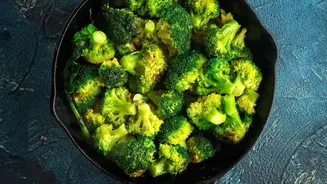
Roasting is arguably the best way to achieve a fantastic texture from frozen vegetables. The key is a hot oven and plenty of space. Preheat your oven and the baking sheet to around 200-220°C. Tossing the frozen vegetables in a bit of oil helps them crisp up. The most critical step is to spread them in a single, even layer, making sure not to overcrowd the pan. If the vegetables are too close together, they will steam instead of roast, trapping moisture and defeating the purpose. If you have a large quantity, use two pans. Roast for 15-25 minutes, stirring halfway through, until they are tender and showing some delicious browning.
The Sautéing Solution
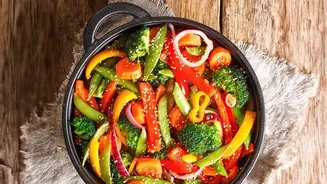
For a quick stovetop option, sautéing works wonders. Again, heat is crucial. Get your pan very hot before adding a bit of oil and the frozen vegetables. Do not cover the pan, as this will trap steam. Keep the vegetables moving, stirring frequently for about five to seven minutes. Just like with roasting, avoid overcrowding the pan. If you're making a stir-fry, it's often best to cook the frozen vegetables separately first to drive off their moisture, then add them back into the main dish at the end. This prevents them from watering down your sauce and making everything else soggy.