





The High Road of Adventure and Adversity
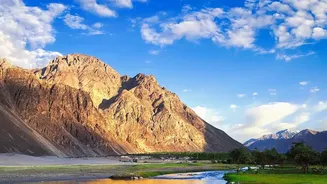
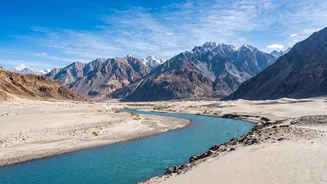
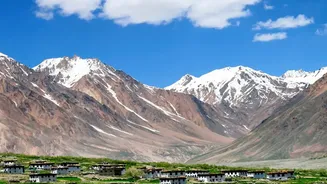
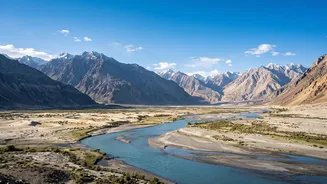
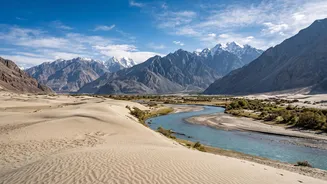
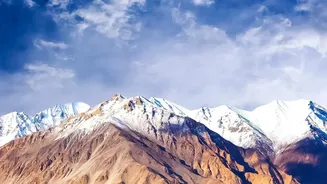
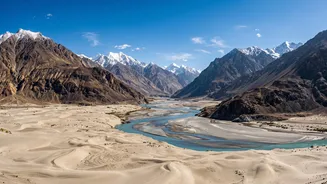
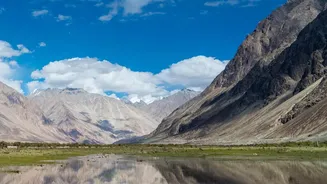
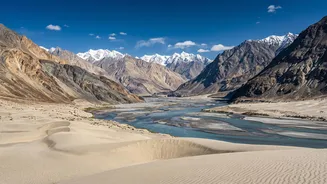
To reach the enchanting landscapes of Nubra Valley, with its sand dunes and double-humped camels, travellers must first conquer the mighty Khardung La. This mountain pass, sitting at an elevation of over 17,500 feet, is one of the world's highest motorable
roads. The journey from Leh, though only about 120-150 kilometres, is a six-hour epic of hairpin bends, rugged terrain, and unpredictable weather. For many, it's a rite of passage, an adventure in itself. But the high altitude brings the serious risk of Acute Mountain Sickness (AMS), and the pass is frequently shut down during winter months due to heavy snowfall, cutting off the valley. The road, maintained by the Border Roads Organisation (BRO), can be a challenging mix of paved sections, dirt tracks, and slush from melting snow.
A Direct Gateway: Flights to Thoise
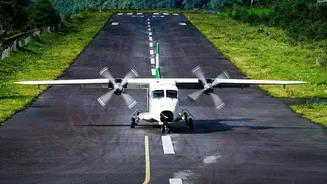
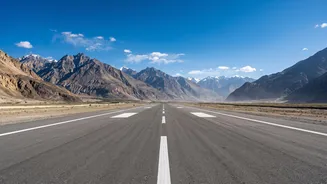
Perhaps the most immediate and game-changing alternative is the move to open up Thoise Airport in Nubra for civilian flights. Historically a military airfield crucial for supplying the Siachen Glacier region, Thoise is being prepared for commercial operations. Reports in August 2026 indicated that the Indian Air Force has allocated land for a civil terminal, and runway recarpeting work is expected to be completed by November 2026. The target for launching the first civilian flights is as early as December 2026. This development would allow tourists to bypass the difficult road journey entirely, flying directly into the heart of Nubra. It would slash travel time and make the region, including remote areas like Turtuk and the Siachen Base Camp, far more accessible year-round.
The All-Weather Tunnel Solution
For those who still travel by road, a long-term solution is being carved through the mountains. The Ladakh administration and the Border Roads Organisation are working on a plan for a 5.5-kilometre tunnel beneath Khardung La. This tunnel would bypass the highest, most treacherous section of the pass, providing an all-weather route safe from avalanches and landslides. A detailed project report (DPR) has been prepared, and as of mid-2026, the project was awaiting final funding approval. Once sanctioned, construction is estimated to take about four years. This tunnel would not only ensure year-round connectivity but also reduce travel time between Leh and Nubra by approximately one hour, significantly enhancing safety and reliability.
Boosting Local Connectivity with New Bridges
While the headline projects focus on the main route, smaller but equally vital projects are transforming travel within Nubra Valley itself. In July 2026, foundation stones were laid for two major motorable bridges. The Burma-Sumoor Bridge is a marvel of efficiency, set to reduce a winding 70-kilometre journey to just 500 metres, connecting villages like Burma, Charasa, and Kuri with the sub-divisional headquarters at Sumoor. Another bridge at Tongsted over the Siachen River will provide crucial all-weather access for several remote border villages. These projects, with a combined cost of over ₹83 crore, are lifelines for over a thousand residents, improving access to schools, healthcare, and markets, while also opening up new areas for tourism.
A Network of Upgrades
These initiatives are part of a broader push to bolster infrastructure across Ladakh for both civilian and strategic reasons. Projects to connect Nubra to the main power grid are set to be completed by September 2026, reducing the reliance on polluting diesel generators and providing reliable, 24/7 electricity for the first time. Elsewhere, the BRO is also constructing an alternative strategic road to Daulat Beg Oldie (DBO) that originates from Sasoma in the Nubra valley, which will also improve connectivity in the wider region. This network of tunnels, roads, bridges, and airports represents a multi-pronged approach to making the region more accessible, resilient, and prosperous.